Hiking near Lucca: guided treks in the Alpi Apuane and Apennines. Marble peaks, ancient aqueducts, and deep forest — some reachable by train. Book now.
Lucca sits at the edge of two completely different mountain landscapes. To the north and west, the Alpi Apuane — sharp, pale, and dramatic, carved for centuries by marble quarrying. To the east, the Apennines — forested, rounded, and quiet. Both are within 45 minutes of the city by car. One of the main Lucca routes doesn’t even require a car.
This variety makes Lucca one of the best bases for hiking in Tuscany, and one of the least obvious ones.
The Alpi Apuane
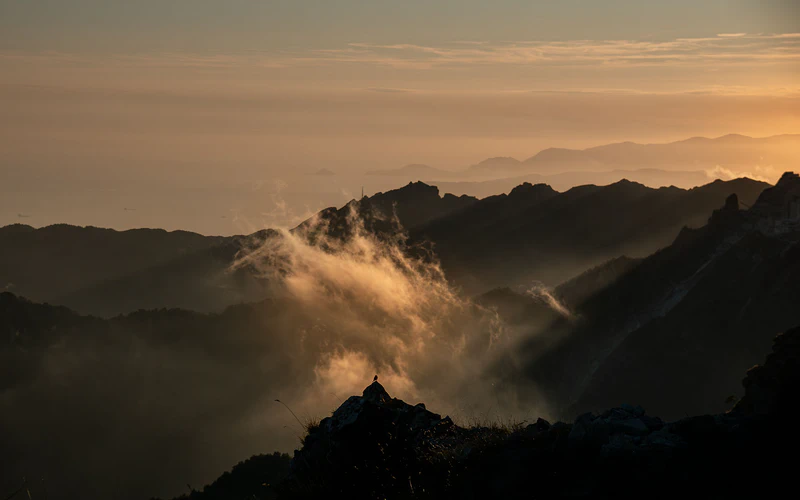
The Apuan Alps are the most visually distinctive mountains in Tuscany. Their white flanks are not snow — they are marble. The quarrying that has shaped these mountains for millennia has also left behind a network of vie marmifera: the old marble quarry roads, wide and solid, that open up terrain which would otherwise require serious alpine equipment.
The Marmifera del Corchia is one of the most striking examples. The road climbs into a landscape of bare rock and long views, passing the entrances to the Antro del Corchia cave system — one of the deepest cave networks in Europe. The elevation, the silence, and the scale of the marble working make it unlike anything else in the region.
The Apennine Side
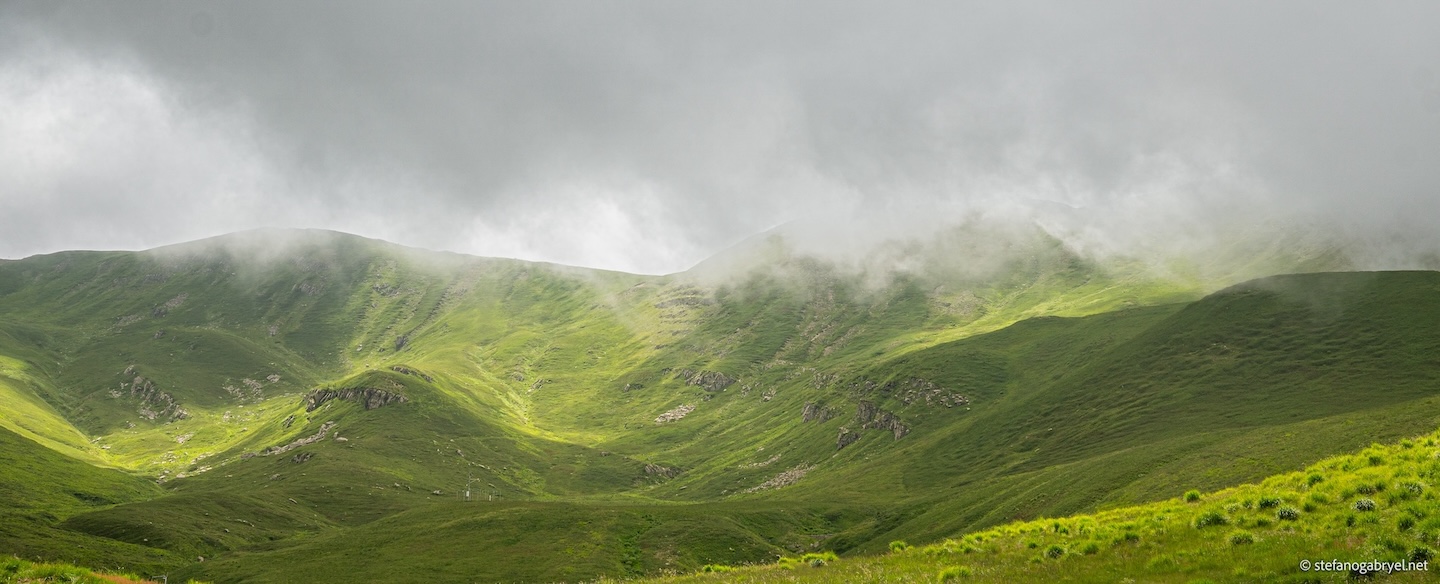
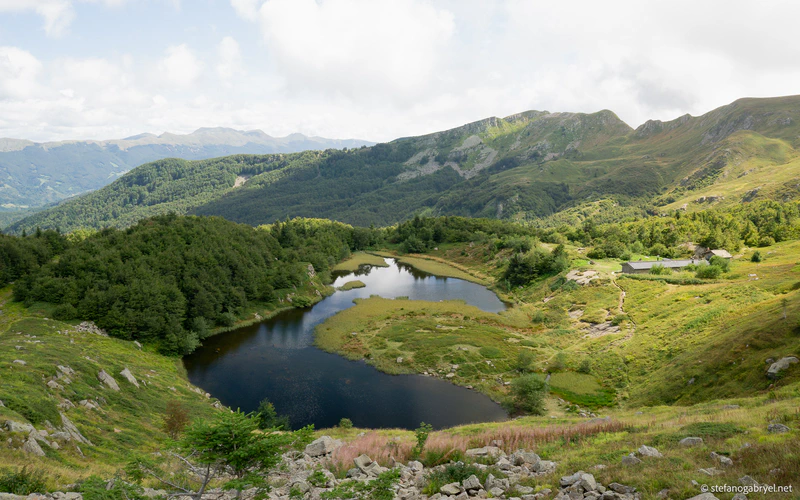
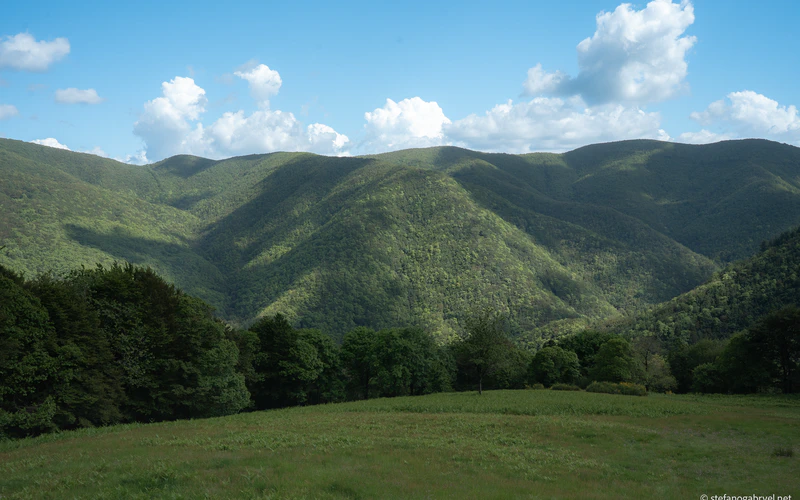
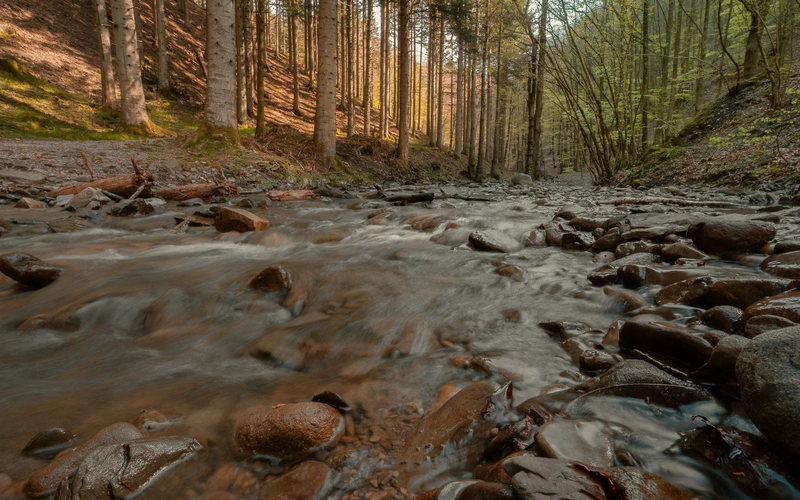
The Apennine hills east of Lucca offer a different kind of walking: older, quieter, more intimate. Dense chestnut and oak woodland, water sources throughout, and paths that have been in use for centuries.
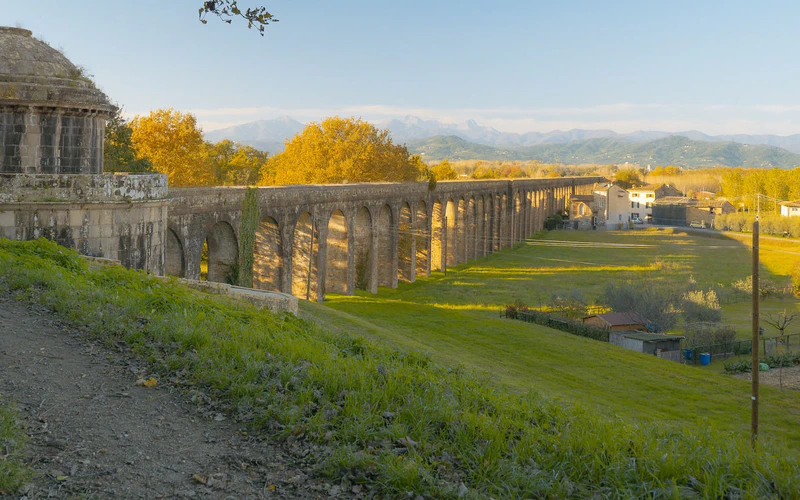
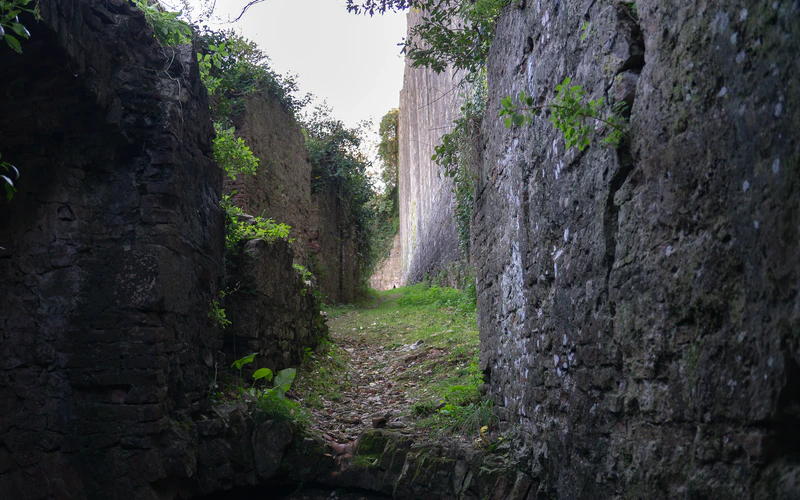
The Nottolini Aqueduct is the most accessible route in the entire Lucca area — reachable by regional train from Lucca, Pisa, and Florence without a car. The aqueduct itself is a neoclassical structure of 400 arches built in the 1820s to bring water from the Pizzorne hills into the city. Walking alongside it, you pass water mills, stone bridges, and a spring known locally as Parole d’Oro — Golden Words — for the mineral-rich water that bubbles out of the hillside.
Who These Hikes Are For
The routes near Lucca cover a wide range of difficulty. The Nottolini walk is accessible to anyone who can manage three hours on a level path. The Corchia road involves sustained climbing and some exposure. Most fall somewhere between.
None require technical climbing. The terrain is suited to people who want genuine mountain scenery without the need for specialist equipment or alpine experience. If you want to know what a private guided hike in Tuscany actually involves — how booking works, what to bring, what happens on the day — that post covers it in full.
When to Go
Spring and autumn are the most comfortable seasons for both mountain ranges. April and May bring wildflowers in the Apuane and the chestnuts leafing out along the Apennine paths. September and October are ideal for the lower-elevation forest routes. Summer works well in the Apuane, where the altitude and exposure keep temperatures manageable. The Nottolini walk is pleasant year-round — it sits low enough to be hikeable even in winter.
If you are planning a full day out from Lucca and want to combine hiking with other stops, the guide to the best day trips from Lucca covers the wider range of options — including nature reserves, coastal trails, and Apuane viewpoints.
Good to know
Frequently asked questions
The Alpi Apuane and the Apennine trailheads are 30 to 45 minutes from central Lucca by car. The Nottolini Aqueduct route is an exception — it is reachable by regional train from Lucca, Pisa, and Florence without a car.
It depends on what you are looking for. The Marmifera del Corchia in the Alpi Apuane offers the most dramatic scenery — marble quarry roads climbing into an open alpine landscape. The Nottolini Aqueduct is the most accessible route, reachable by train, following a neoclassical aqueduct of 400 arches through forest and water mills. Both are within 45 minutes of Lucca.
Yes. The Nottolini Aqueduct route is fully accessible by regional train from Lucca, Pisa, and Florence — no car required. The exact meeting point and transport details are communicated 24 hours before the hike. Other routes in the Alpi Apuane and Apennines require a car to reach the trailhead.
Routes near Lucca cover a wide range. The Nottolini Aqueduct is accessible to anyone who can walk comfortably for three hours on a level path. The Corchia marble road involves sustained climbing and is suited to people with some hiking experience. All routes are adapted on the day based on the group.
The Apuan Alps are visually dramatic — sharp, pale peaks formed by marble. The quarrying history has left behind old quarry roads (vie marmifera) that give access to high terrain without technical climbing. The Apennines east of Lucca are softer and more forested — chestnut and oak woodland, ancient paths, water mills. Both are within an hour of Lucca and offer completely different experiences.
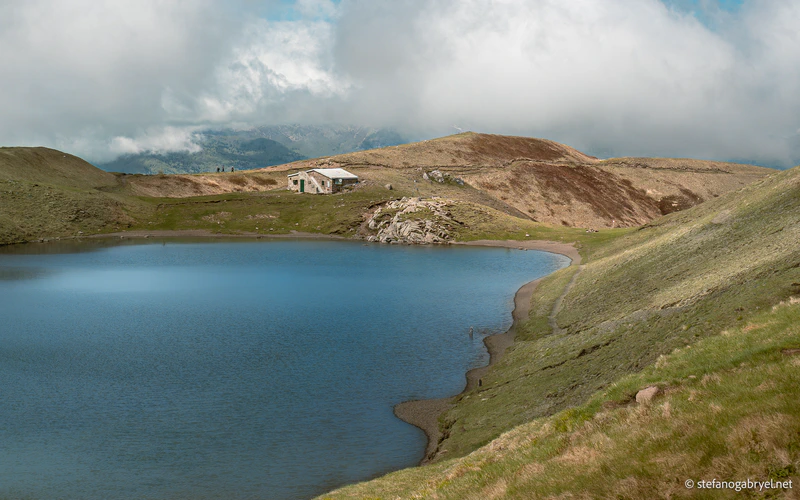
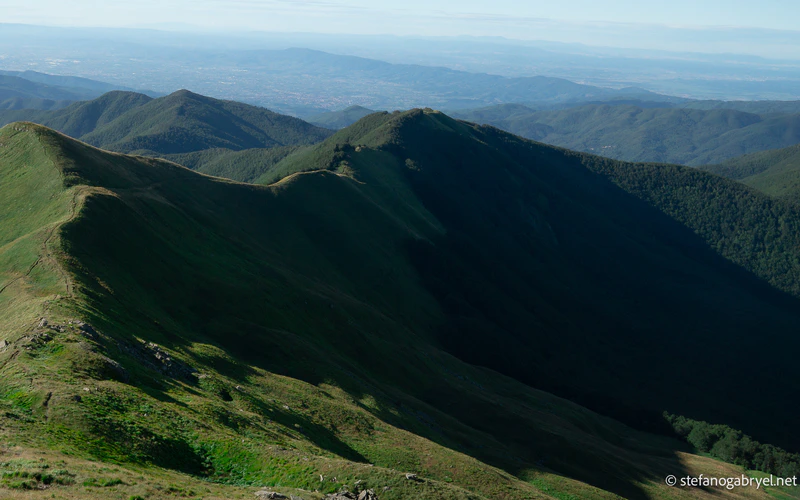
This hike to Scaffaiolo Lake guides you along one of the most stunning ridges of the Tuscan-Emilian Apennines. This is a linear (non-loop) route that …
Discover the Acquerino State Biogenetic Nature Reserve, a pristine sanctuary nestled in the Pistoia Apennines, managed by the Carabinieri Biodiversity …
More to explore
See every hike in Tuscany
This is a selection in the Lucca area. Browse the full collection of private guided hikes across the region.