€220 · group
🔥 Popular
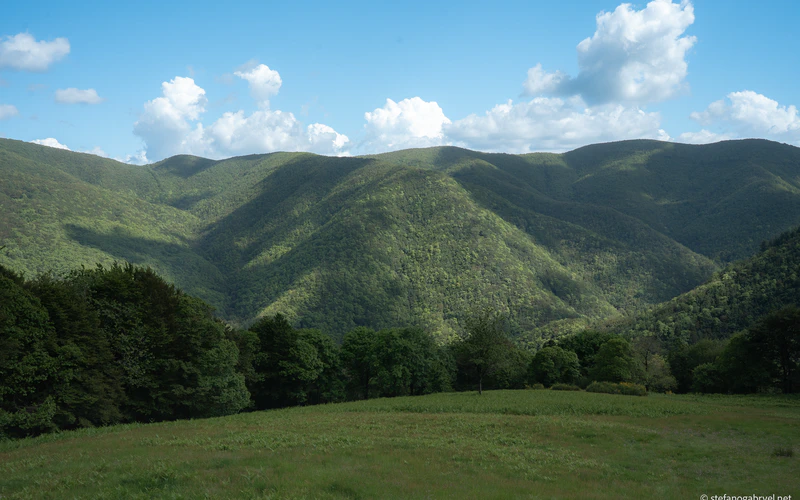
Acquerino-Cantagallo Private Tour - Ancient Forest Hike
Escape the noise and find tranquility on this exceptional hike through the Acquerino-Cantagallo Nature Preserve in the Province of Prato. A Journey …
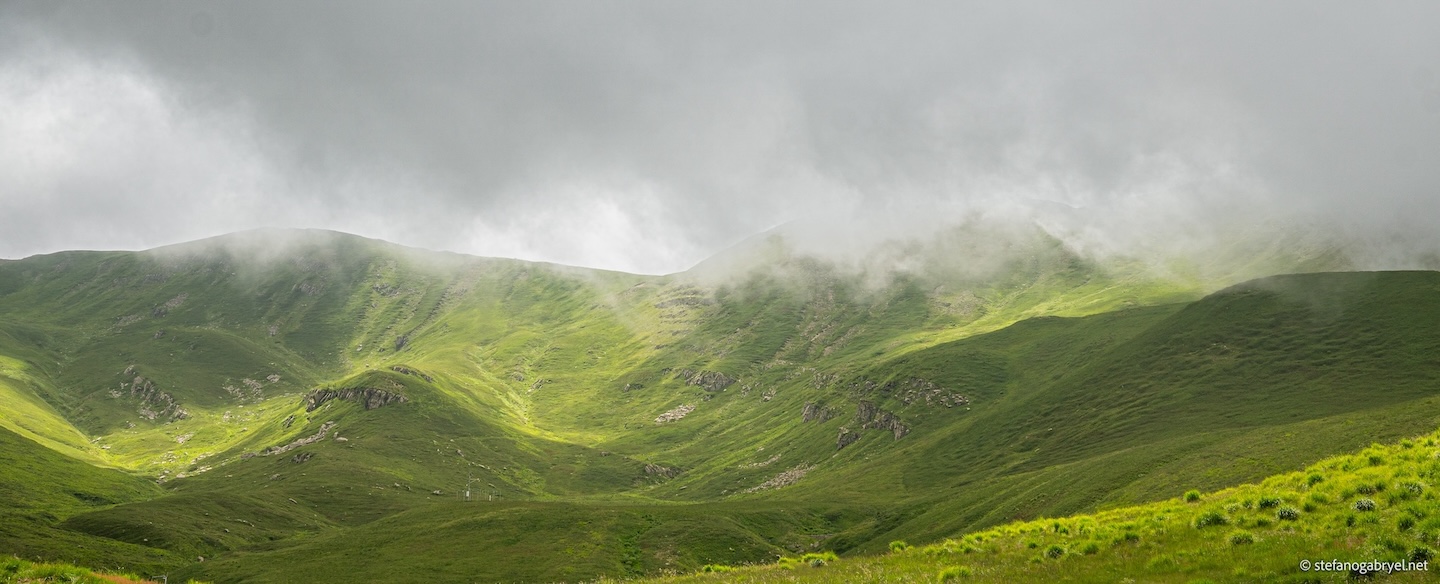
Hiking near Florence: private guided treks in the Tuscan Apennines. Ancient forests, glacial lakes, and mountain ridges 40–60 min from the city. Book now.
Florence sits in a valley. The mountains begin immediately to the north — the Tuscan Apennines, rising from the plains of Pistoia and Prato into a landscape of dense forest, glacial lakes, and open ridges that most visitors to the city never see.
Getting there takes 40 to 60 minutes by car. The contrast with the city is immediate and complete: chestnut and beech woodland, deer tracks in the mud, the silence of a forest that has been growing for centuries.
These are not scenic viewpoint hikes. They are genuine mountain terrain — the same Apennine ridge that runs the length of Italy, here at its most accessible.
The mountains directly north of Florence include some of the most varied hiking terrain in Tuscany. At lower elevations — around 600 to 1000 metres — dense mixed forests dominate: chestnut, hornbeam, beech, fir. The paths are well-marked, the ground firm outside of the wettest months.
Higher up, the character changes. The Scaffaiolo lake sits at 1700 metres on an open ridge on the Tuscany–Emilia border, swept by wind and surrounded by views that reach both sides of the Apennine divide on a clear day. The Acquerino–Cantagallo reserve offers a quieter, forest-immersed experience — red deer, endemic fungi, ancient Douglas firs planted in the 1930s alongside native species.
None of these hikes require technical climbing or specialist equipment. The most demanding routes ask for several hours of sustained walking and some elevation gain. The easiest are long, quiet walks through forest.
Most trailheads are accessible by car in under an hour from central Florence. Some routes — including the Nottolini Aqueduct near Lucca — are reachable by regional train without a car.
I communicate the exact meeting point 24 hours before each hike. Parking is available at all main trailheads. For a full picture of how a private guided hike in Tuscany works — logistics, what to bring, and what happens on the day — that post covers everything.
Spring and early autumn are the most reliable seasons for hiking near Florence. May offers the forest at its most alive — wildflowers in the clearings, cool temperatures, empty trails. September and October add mushroom season and autumn colour. Summer works well at altitude; the lower forest routes are best avoided at midday in July and August.
Winter is possible on some routes, particularly the lower-elevation ones. The high ridges carry snow from December through March.
For a full overview of the terrain and the specific routes north of Florence, the guide to scenic hikes near Florence covers the main options in detail — including Lago Nero, Lago Scaffaiolo, Monsummano Alto, and Acquerino.
Escape the noise and find tranquility on this exceptional hike through the Acquerino-Cantagallo Nature Preserve in the Province of Prato. A Journey …
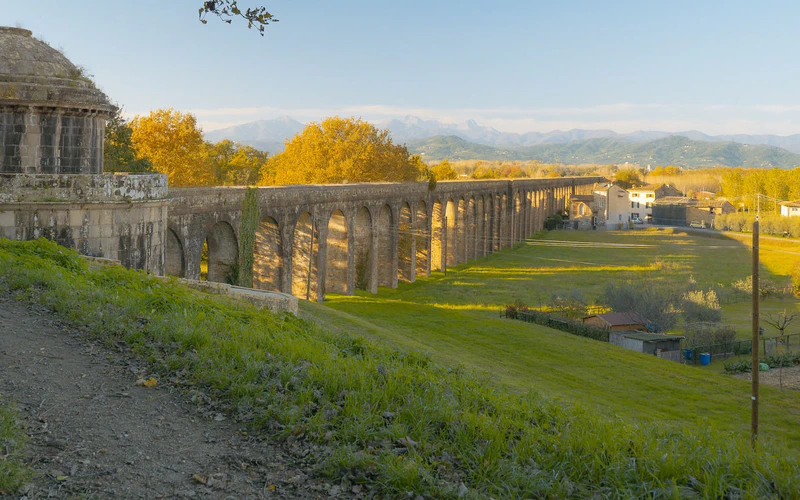
The trek begins not far from the historic walls of Lucca and follows the majestic line of arches into the countryside. It is a journey from urban …
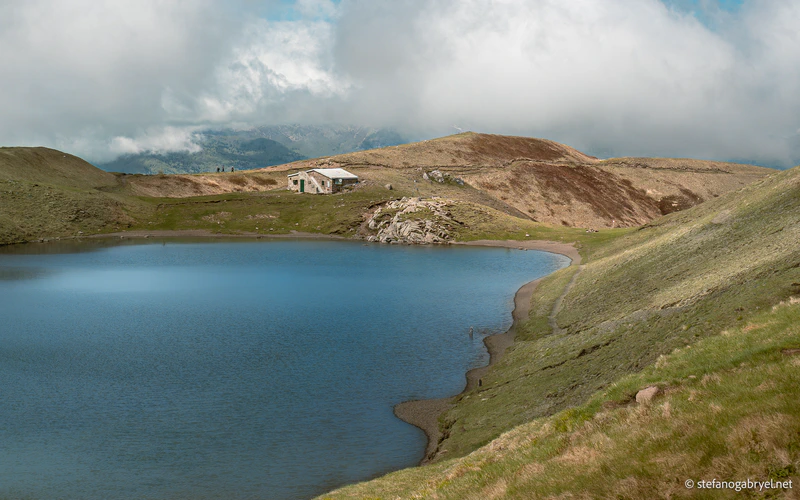
This hike to Scaffaiolo Lake guides you along one of the most stunning ridges of the Tuscan-Emilian Apennines. This is a linear (non-loop) route that …
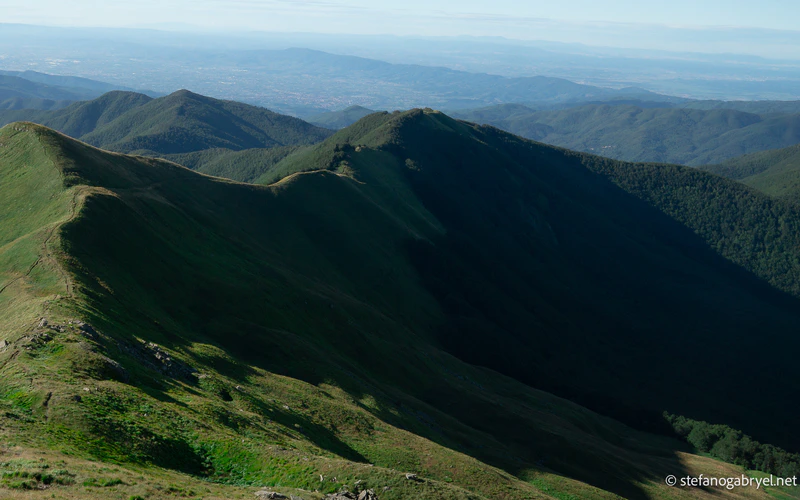
Monte Gennaio (1814 m) is one of the most significant peaks in the Pistoiese Mountains, dominating the heart of the Tuscan-Emilian Apennines. This …
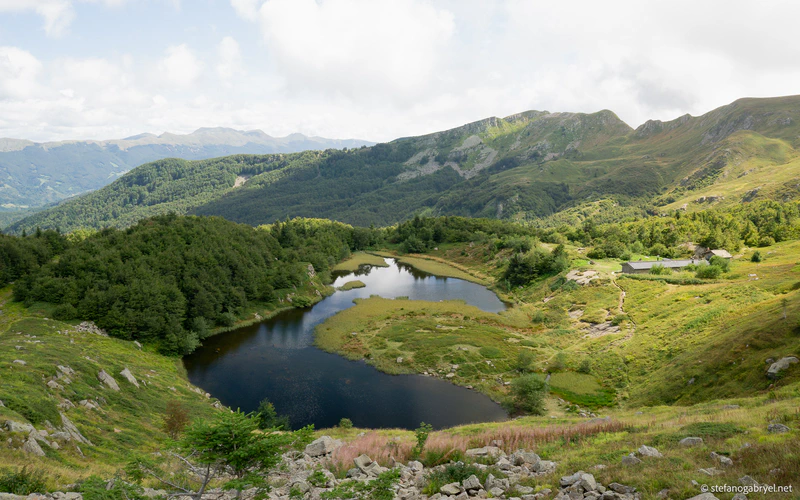
This hike leads deep into the high Apennines to discover Lago Nero (Black Lake), a unique glacial basin hidden within a spectacular natural …
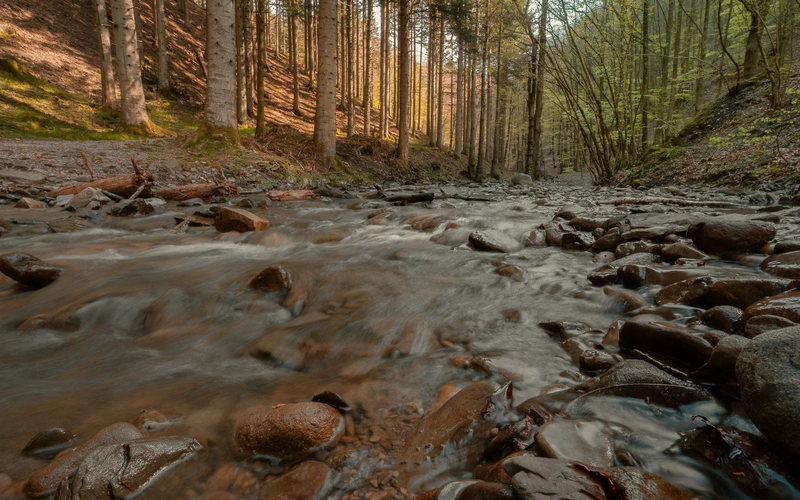
Discover the Acquerino State Biogenetic Nature Reserve, a pristine sanctuary nestled in the Pistoia Apennines, managed by the Carabinieri Biodiversity …
This is a selection in the Firenze area. Browse the full collection of private guided hikes across the region.