Mycology
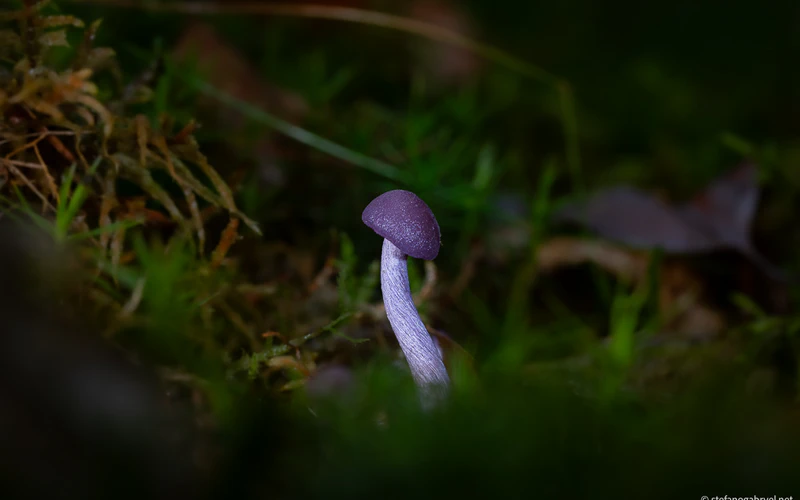
Laccaria Amethystina: Tuscany's Amethyst Deceiver
Laccaria amethystina in Tuscany: the amethyst deceiver mushroom, its vivid colour, arsenic accumulation, and foraging safety, from …
A field guide to Tuscan mushrooms: species identification, foraging regulations, ecology and seasonal patterns in the forests of the Apennines and Apuan Alps. Written by a certified nature guide based in Pistoia.
The forests around Pistoia and the Apennine ridge are among the richest mycological habitats in Tuscany. From the prized porcini to the striking Amanita muscaria, these posts cover species identification, ecology, and the culture of mushroom hunting in this region.
If you’re new to foraging, start with how to identify poisonous mushrooms — it covers the key principles before you head into the field. For location-specific guidance, the Acquerino foraging guide maps out what grows where in one of Tuscany’s most productive forests. And don’t miss the local regulations — they’re strict and worth knowing before you pick anything.
Laccaria amethystina in Tuscany: the amethyst deceiver mushroom, its vivid colour, arsenic accumulation, and foraging safety, from …
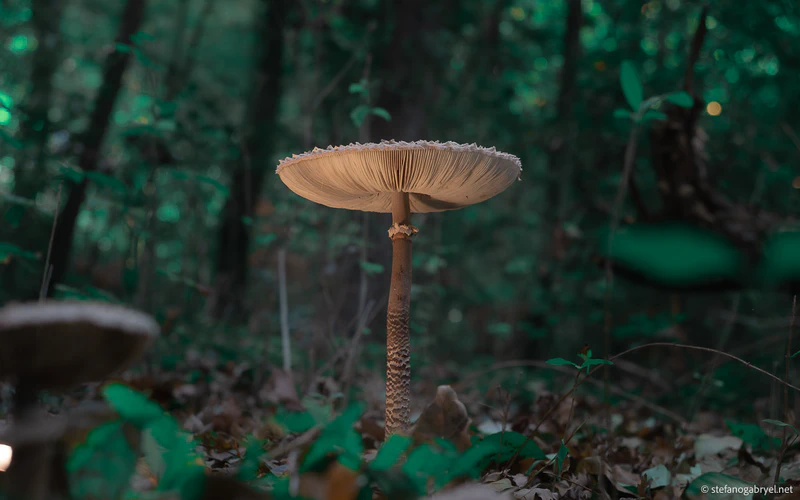
Parasol mushroom identification and foraging in Tuscany. Where to find Macrolepiota procera and how to tell it apart.
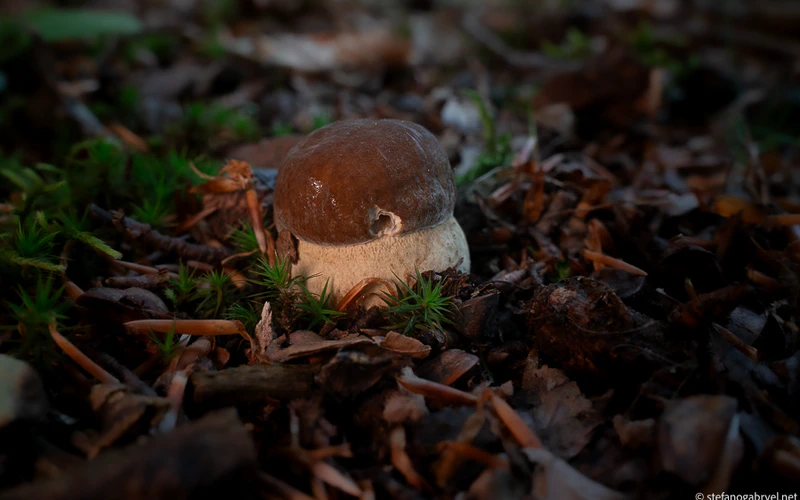
Discover the reality of finding Boletus edulis (porcini, cep, penny bun) in Tuscany: learn about the four species and their forest …
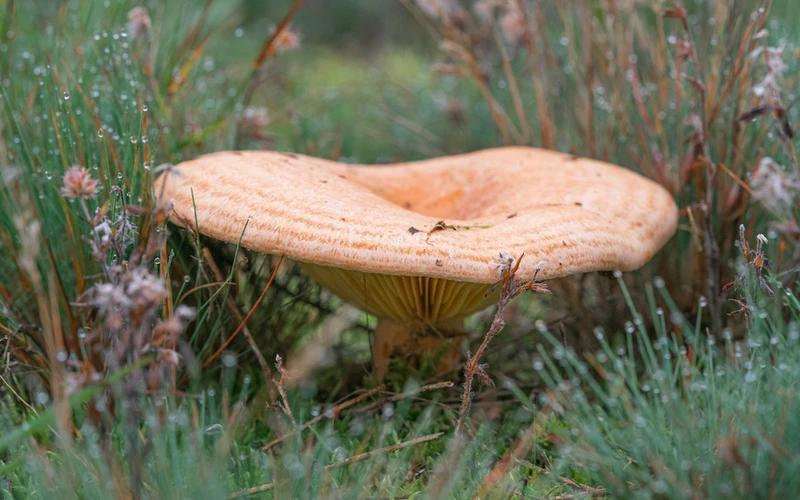
Lactarius deliciosus in Tuscany: the beloved rosselle mushroom, its pine forest habitat, and regional names, from an expert guide.
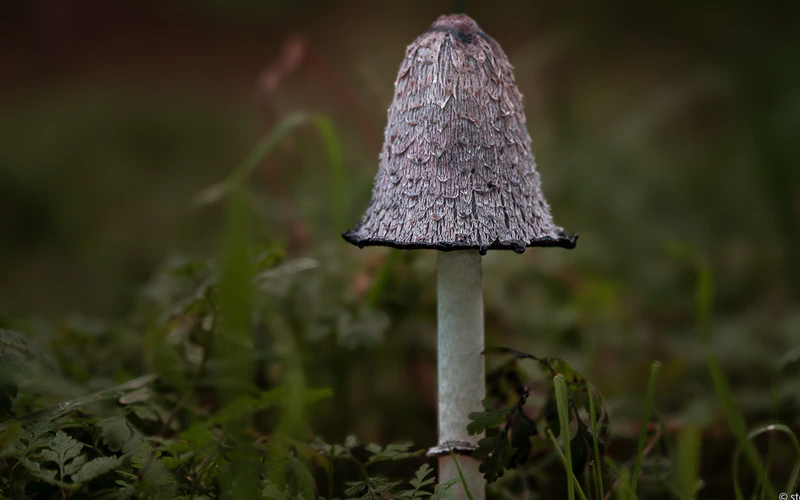
Coprinus comatus (shaggy mane) in Tuscany: the ephemeral ink cap, its autodigestion, and why timing is everything, from an expert …
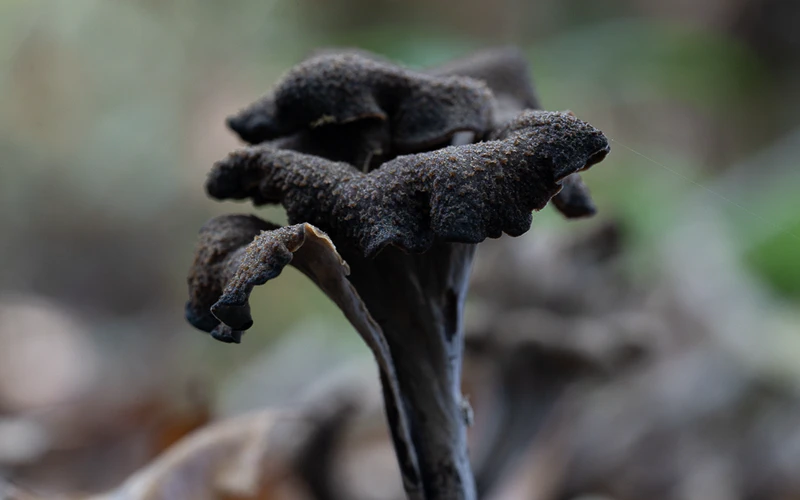
Craterellus cornucopioides (black trumpet) in Tuscany: identification, habitat, and why this elusive mushroom is prized by chefs.
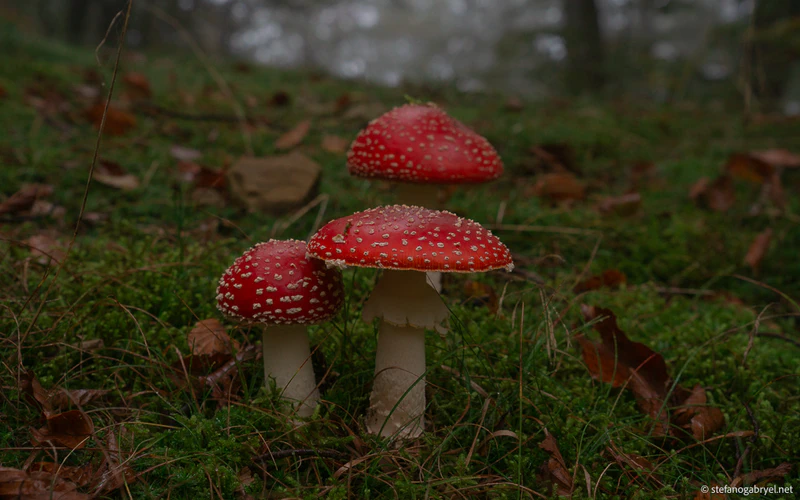
There's no single test to spot a poisonous mushroom, but these 4 principles work — a forest guide to the species that can kill …
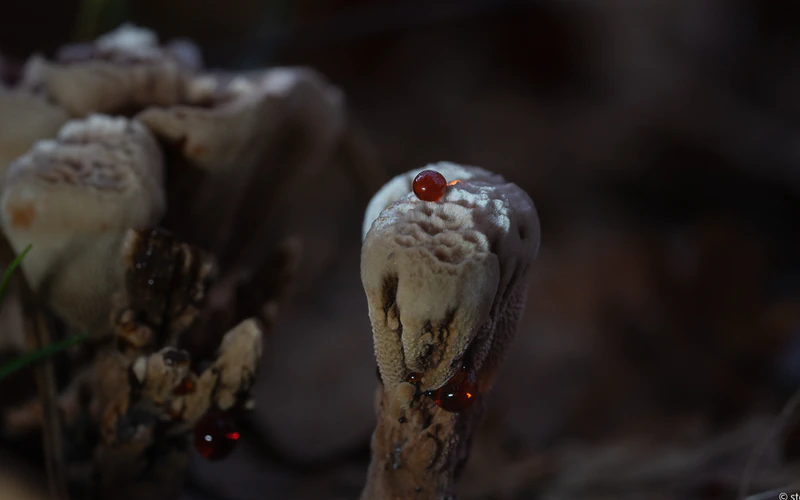
Explore the mysterious Hydnellum peckii (Bleeding Tooth) in Tuscany's conifer forests with expert insights on identification and …
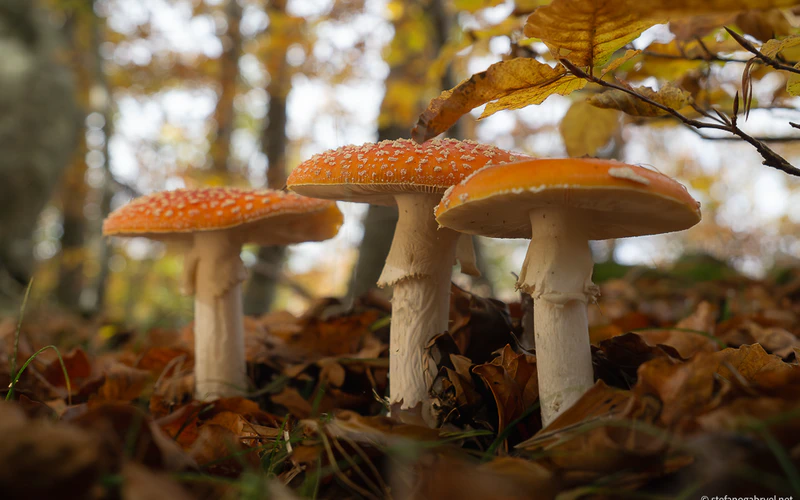
Discover the fascinating Amanita muscaria (Fly Agaric) in Tuscany's mountains with expert identification tips and cultural …
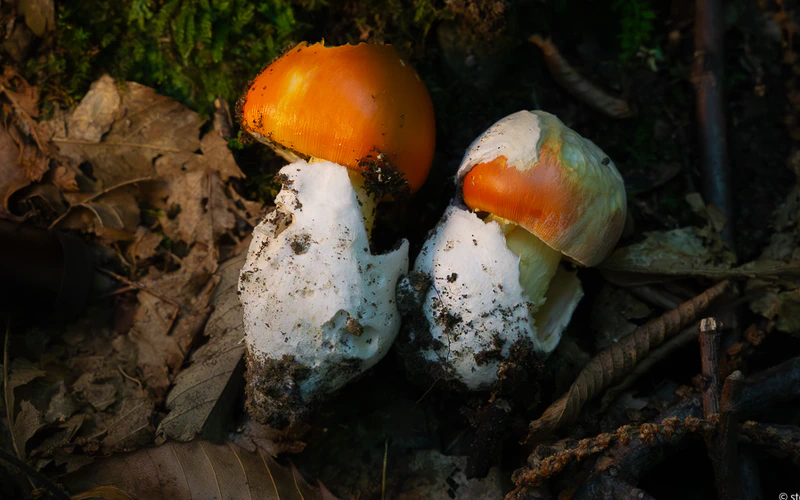
Discover why Amanita cesarea (Ovolo buono) is Italy's most prized edible mushroom, from identification to culinary tradition in …
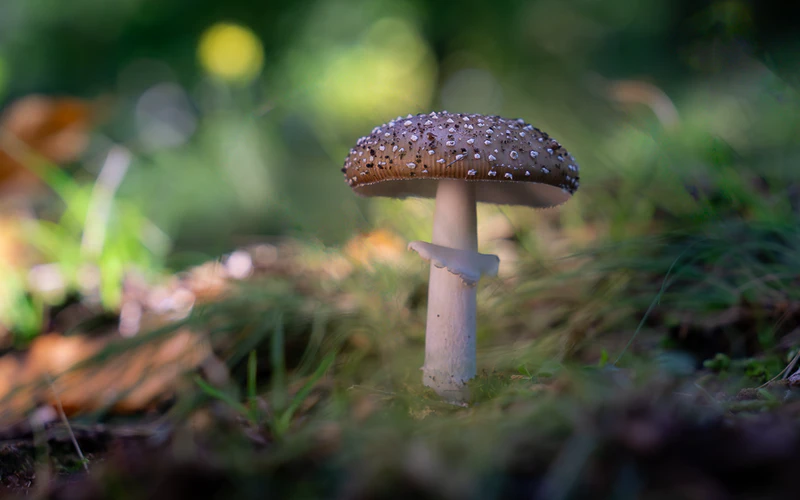
Learn to identify the toxic Amanita pantherina (Panther Cap) from an expert mycology guide in Tuscany's forests.