Mycology
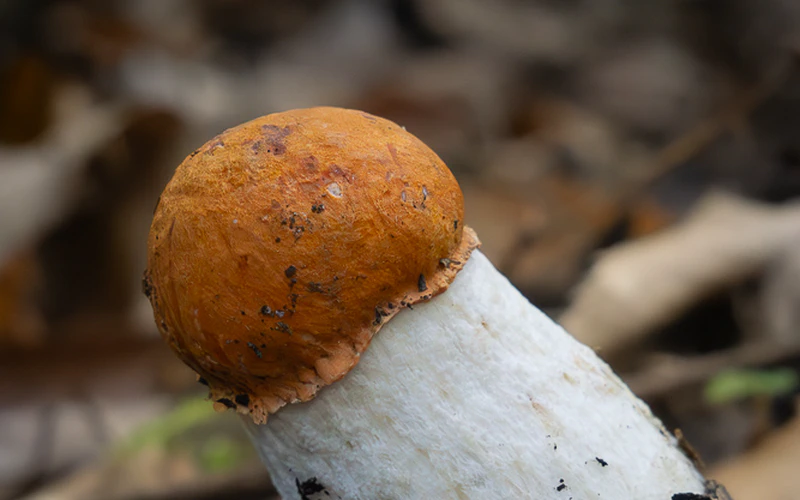
Leccinum aurantiacum: The Aspen Bolete of Tuscany
The red-capped aspen bolete: where to find Leccinum aurantiacum in Tuscany, its strange flesh-darkening trick, and how to cook it.

A field guide to Tuscan mushrooms: species identification, foraging regulations, ecology and seasonal patterns in the forests of the Apennines and Apuan Alps. Written by a certified nature guide based in Pistoia.
The forests around Pistoia and the Apennine ridge are among the richest mycological habitats in Tuscany. From the prized porcini to the striking Amanita muscaria, these posts cover species identification, ecology, and the culture of mushroom hunting in this region.
If you’re new to foraging, start with how to identify poisonous mushrooms — it covers the key principles before you head into the field. For location-specific guidance, the Acquerino foraging guide maps out what grows where in one of Tuscany’s most productive forests. And don’t miss the local regulations — they’re strict and worth knowing before you pick anything.
The red-capped aspen bolete: where to find Leccinum aurantiacum in Tuscany, its strange flesh-darkening trick, and how to cook it.
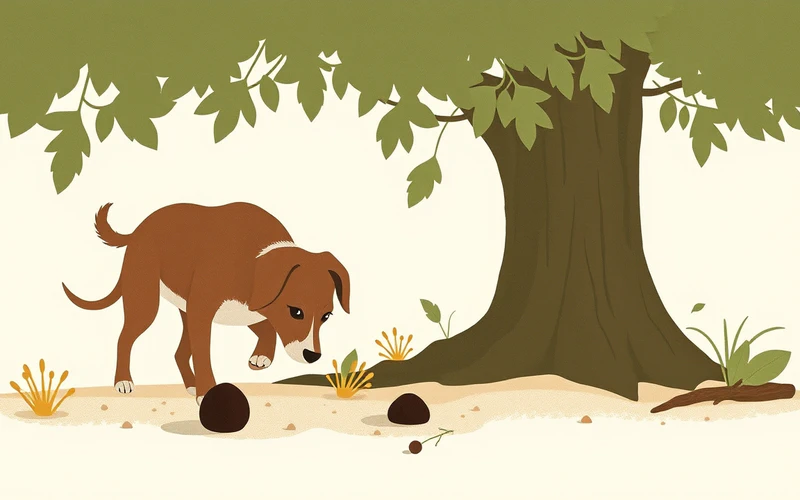
Planning a truffle hunting tour near Florence or in Tuscany? Learn what’s real, what’s staged, and why authentic mushroom foraging …
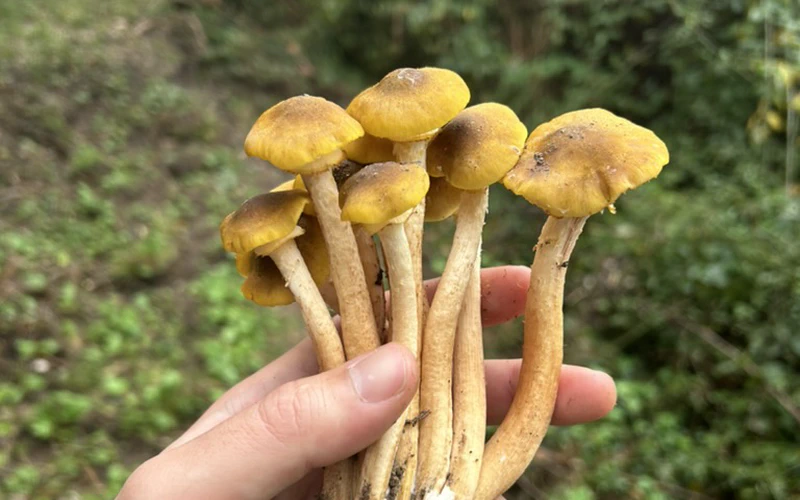
Discover Armillaria mellea in Tuscany—parasitic fungus, forest decomposer, and prized edible mushroom. Learn where to find it.
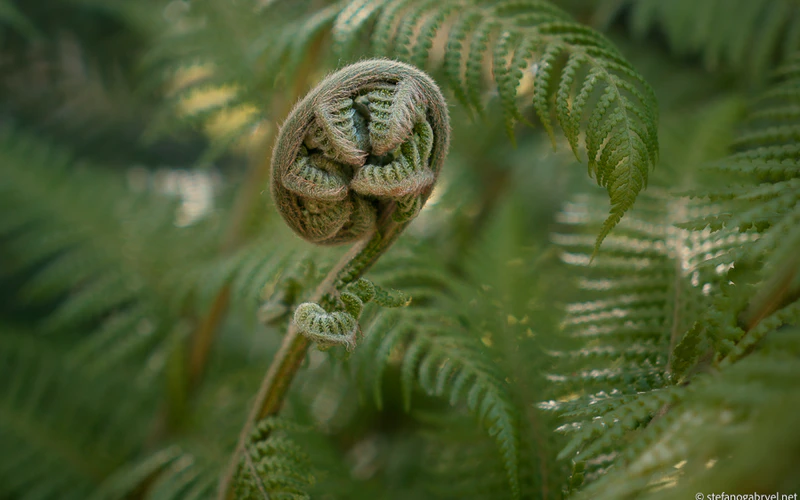
Bracken fern signals acidic soils where porcini thrive in Tuscany. Learn to read the forest floor and discover this ancient …
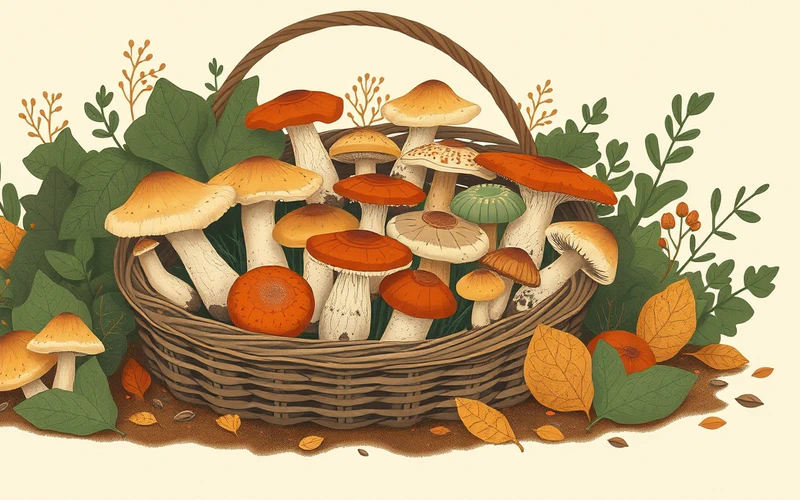
Discover the most common mushrooms at Acquerino: porcini, chanterelles, and more. A seasonal guide to foraging in the Pistoiese …
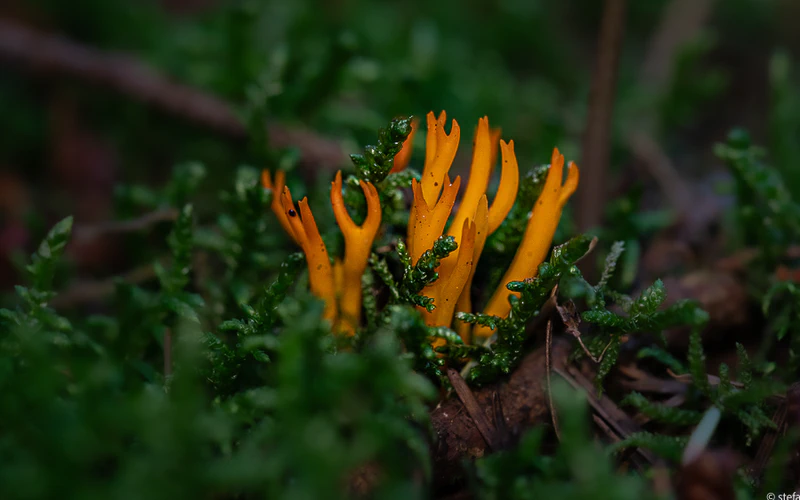
Yellow stagshorn (Calocera viscosa): the bright jelly fungus on pine stumps often mistaken for a chanterelle. Identification …
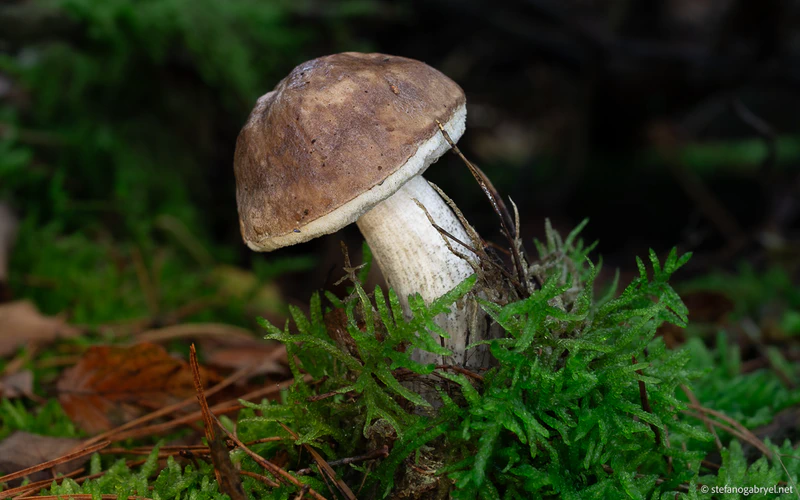
The birch bolete (Leccinum scabrum): brown cap, scabrous stem, edible. Identification, habitat, and why it's rare in Tuscan …
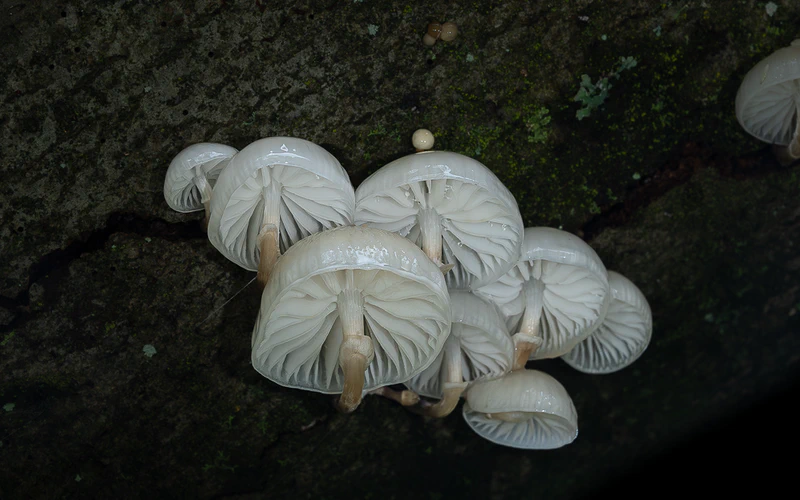
The porcelain fungus (Oudemansiella mucida): translucent, slimy, and found on beech trees. Identification and ecology.
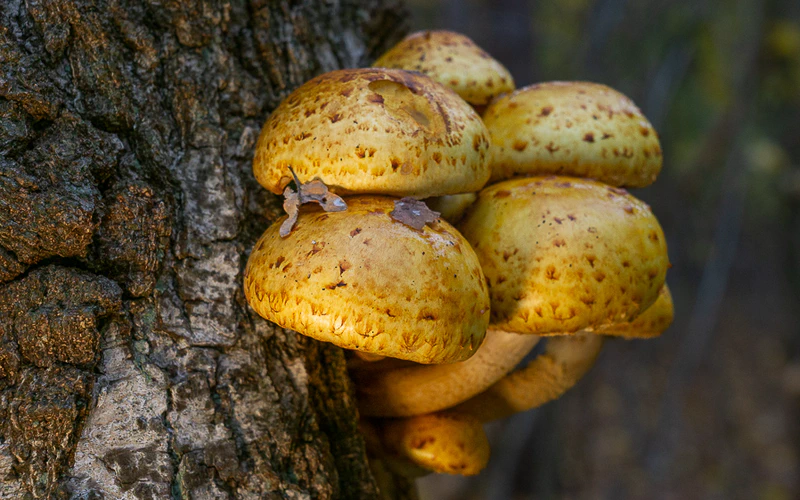
The spiky mushroom with raised scales on its cap — Pholiota squarrosa. Identification, habitat, and ecology in Tuscan forests.
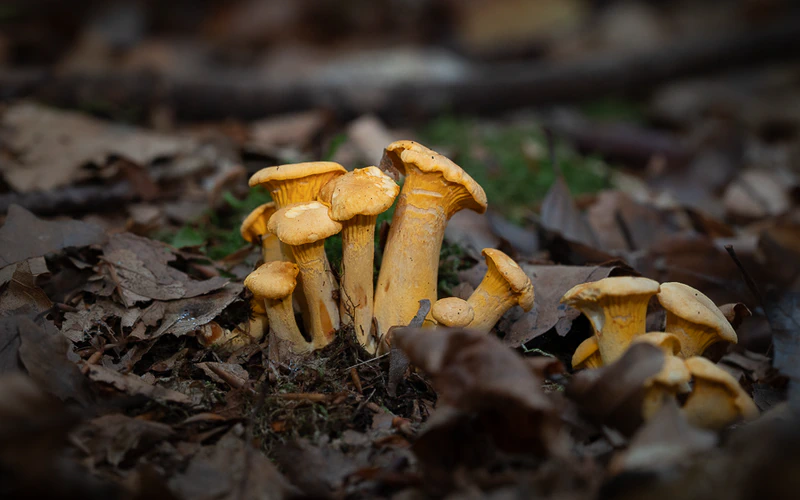
Learn to identify and find chanterelles (galletti, gallinacci) in Tuscany's forests with expert mycological guidance and …
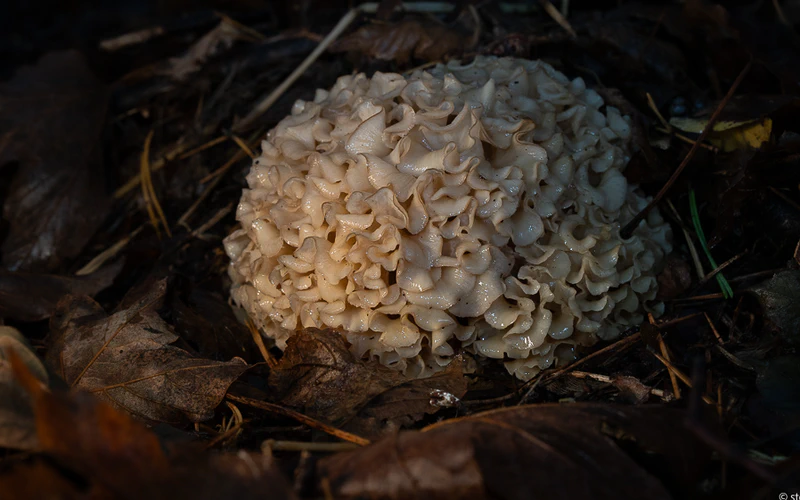
The cauliflower fungus (Sparassis crispa): identification, pine forest habitat, edibility, and where to find it in Tuscany.
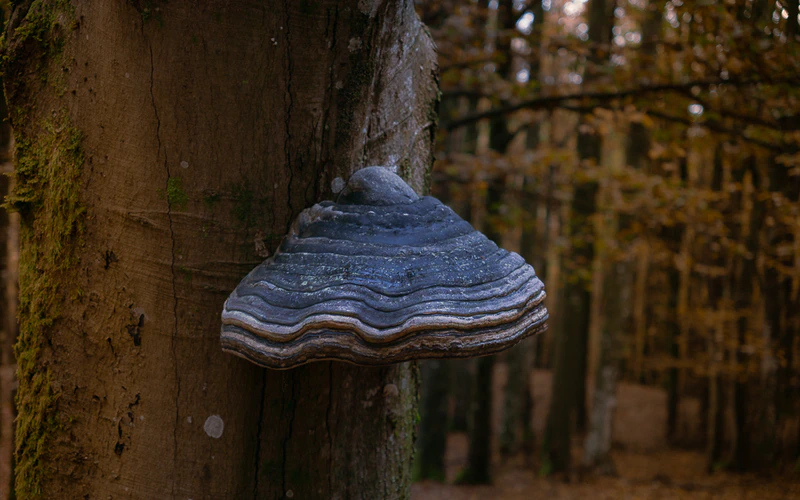
Tinder fungus (Fomes fomentarius): the hoof-shaped bracket mushroom Ötzi carried. Identification, ecology, and where to find it in …
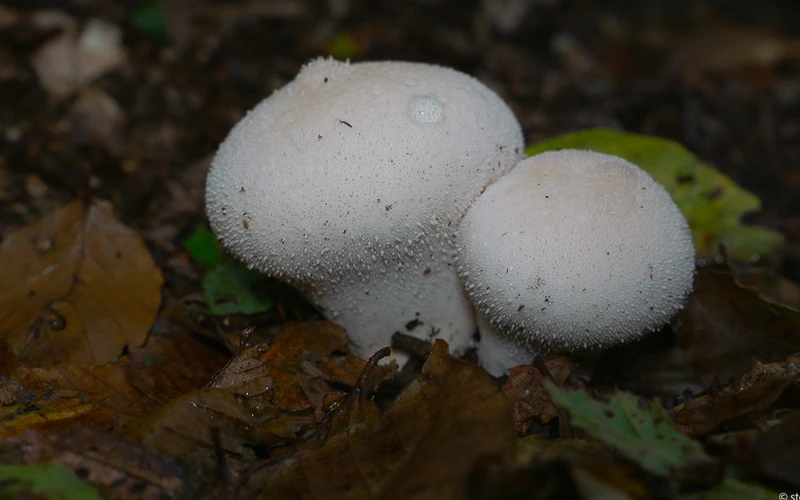
Lycoperdon perlatum (vescia) in Tuscany: the common puffball's flavour, safe identification, and habitat, from an expert mycology …
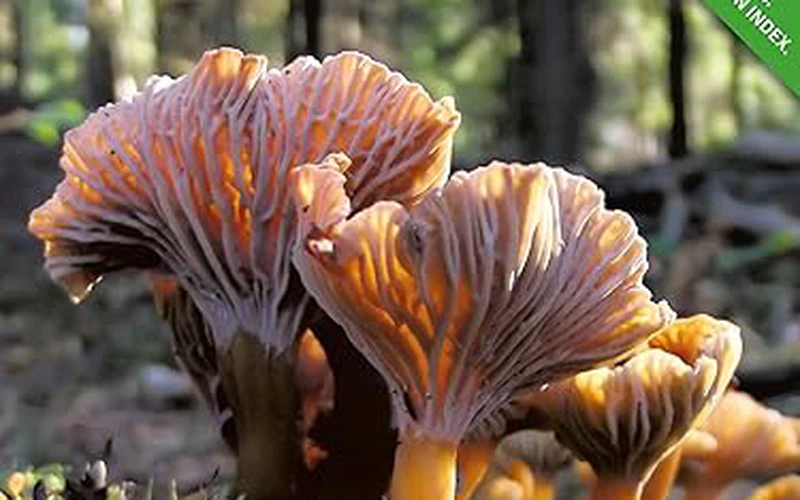
Why Geoff Dann's Edible Mushrooms is the best beginner's guide: difficulty ratings that prevent deadly mistakes, from a Tuscany …
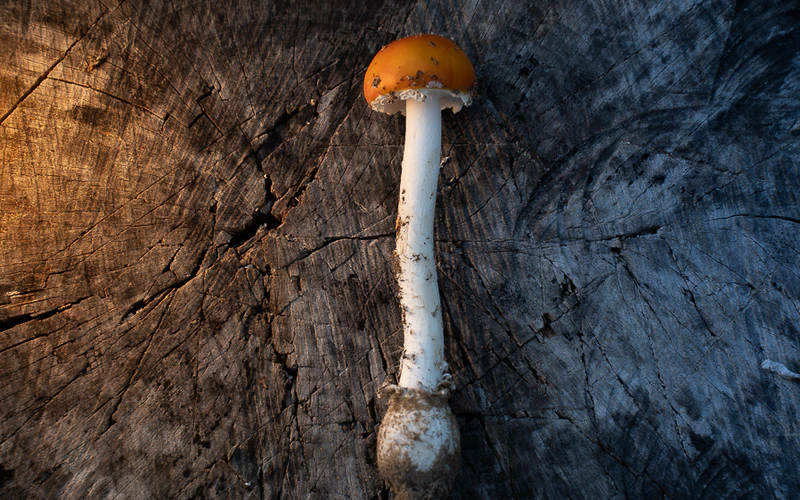
Essential guide to mushroom foraging in Tuscany: permits, fees, safety considerations, and why regional knowledge matters from an …