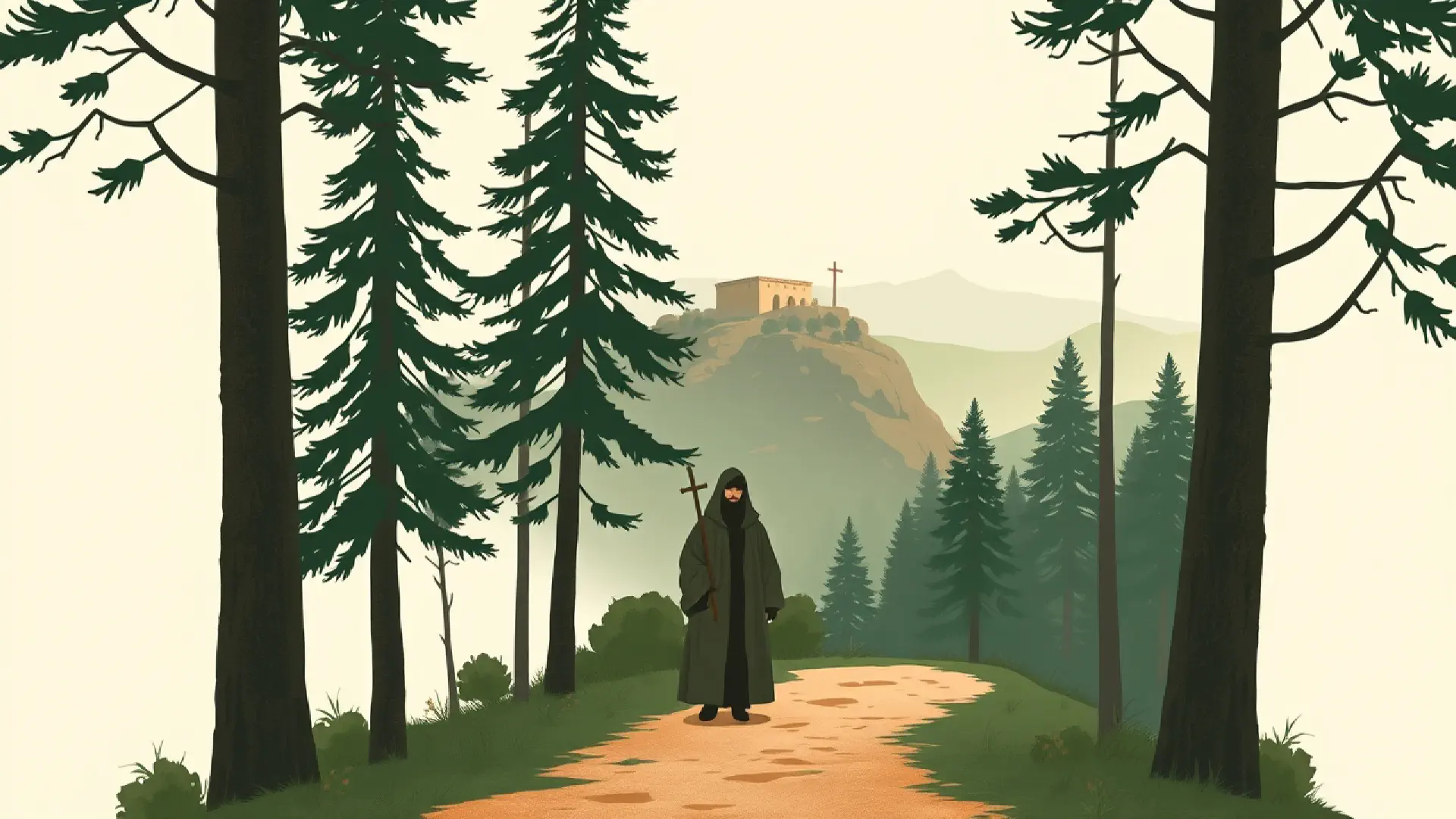
Everyone has heard of the Camino in Spain. Far fewer know that one of Europe’s great pilgrim routes begins in Tuscany and ends in Rome.
The Way of St Francis in Italy starts in the Tuscan hills. From Florence it climbs through Camaldoli and La Verna before crossing into Umbria toward Assisi.
You do not have to be a pilgrim to enjoy the Tuscan beginning. And you do not have to walk all of it. A single day is enough.
What the Way of St Francis Is
The Way of St Francis follows the places of St Francis of Assisi. He was born around 1181 and died in 1226. Pilgrims have retraced his footsteps for centuries.
It is not a single marked trail. It is a waymarked network of forest paths, mule tracks, and quiet roads, stitched together across the Apennines.
The route runs south from Tuscany through Umbria to Assisi, and on to Rome. The Tuscan section is its forested, peaceful beginning.
The Tuscan Beginning, Step by Step
The northern half of the route is the Tuscan half, and it is the quietest. It runs through some of the oldest forest in Italy.
- Florence. The usual starting point, in the city of the Franciscan basilica of Santa Croce.
- Camaldoli. A thousand-year-old hermitage and monastery, hidden deep in the Casentino forest.
- The Casentino forests. Ancient beech and fir woodland, now a national park, silent and deep.
- La Verna. The spiritual heart of the walk. On this cliff-top sanctuary, Francis is said to have received the stigmata in 1224.
- Sansepolcro. The last Tuscan town before the route crosses into Umbria toward Assisi.
The Best Day Walks
You do not need a backpack and two weeks to taste this route. Its finest stretches make superb day walks.
- The forest around Camaldoli, among towering firs tended by monks for centuries.
- The climb to La Verna, through beech woods to the dramatic sanctuary on its crag.
- The Casentino ridges, with long views over the upper Arno valley.
Pick one stretch and walk it slowly. You will understand the pilgrimage better than someone who hurried the whole thing.
These stretches are yours to walk independently. My own guided hikes are in a different corner of Tuscany. But they pair well with a pilgrim trip here.
Looking for private hiking in Tuscany?
Browse my full collection of small-group, fully private hikes across the region.
Walking It Well
A few honest notes from a guide who works the other side of these mountains.
- Go from late spring to autumn. Camaldoli and La Verna sit high, and winter brings snow and short days.
- The Tuscan section alone is worth the trip. You can leave Umbria and Rome for another year.
- Book La Verna in advance if you want to stay at the sanctuary, especially around feast days.
I should be honest about my part in this. The route’s Tuscan stretch runs through the Casentino, in the east. That is not my corner of Tuscany.
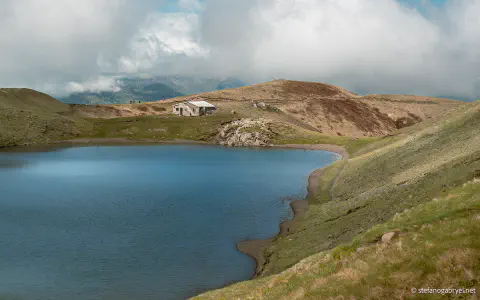
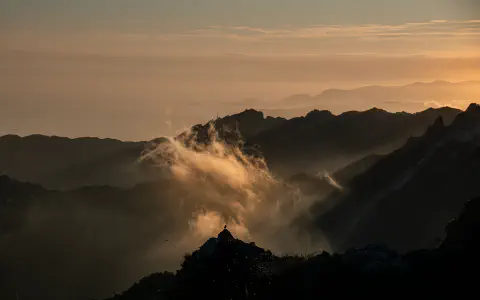
I guide private day hikes in the western Apennines and the Apuan Alps, the other side of the region. If a pilgrim trip brings you to Tuscany, they make a fine addition to it.
Tuscany’s Other Pilgrim Roads
The Way of St Francis is not the region’s only ancient route. If it draws you, two others are worth knowing.
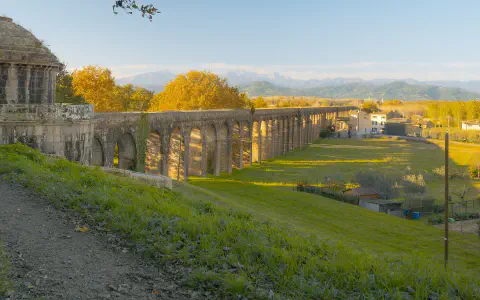
The Via Francigena is the famous medieval road to Rome, running through Lucca, San Gimignano and Siena. The Cammino di San Jacopo is its hidden cousin, from Florence to Pisa, walked by almost no one.
The Bigger Picture
A pilgrim road asks you to slow down. At walking pace, the landscape stops being scenery and becomes something you move through.
That slow attention is what I care about most as a guide. For the broader picture, start with my pillar guide to hiking in Tuscany.
Frequently asked questions
Add a Day in the Hills to Your Pilgrimage
I guide private day hikes in western Tuscany, away from the pilgrim routes. Book a free consultation and we’ll plan a day that fits your trip.