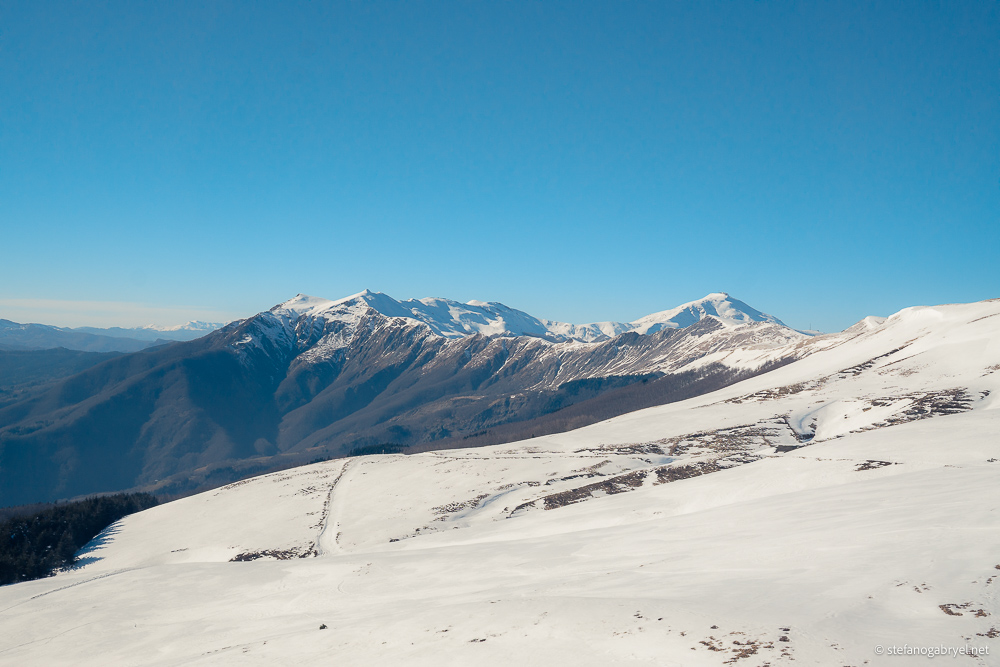
When most people plan their Tuscany trips, they instinctively choose spring or summer—warm weather, long days, and the promise of sunshine on golden hills.
But after years of exploring in these mountains, I can tell you a secret that locals know well: winter might actually be the most rewarding season to experience Tuscany’s landscapes.
While the coastal areas and famous cities see fewer tourists, Tuscany in the winter reveals a completely different character in the mountains—one that’s more dramatic, more intimate, and frankly more photogenic than the postcard-perfect summers.
The Crowds Disappear: Tuscany’s Mountains Become Yours
The most immediate and tangible benefit of winter hiking in Tuscany is the solitude.
During summer and autumn, popular trails in the Apuan Alps and Appennines can feel crowded, especially on weekends when locals and tourists converge on the same well-known destinations.
In winter, those same trails become wonderfully empty.
I’ve guided hikes to Lago Scaffaiolo in January where we encountered perhaps two or three other people the entire day—the same location that might see dozens or even hundreds on a sunny October weekend.
This solitude transforms the experience from sightseeing to genuine wilderness immersion.
You hear the silence of the mountains, broken only by wind, your own footsteps, and occasionally the call of ravens overhead.
The popular rifugi (mountain huts) that require reservations weeks in advance during summer are often nearly empty in winter, meaning better service, more authentic interactions with hut keepers, and the possibility of spontaneous overnight stays that would be impossible during high season.
For photographers especially, the absence of crowds means you can work at your own pace, set up a tripod in the middle of a trail without feeling rushed, and wait for the perfect light without dozens of people walking through your frame.
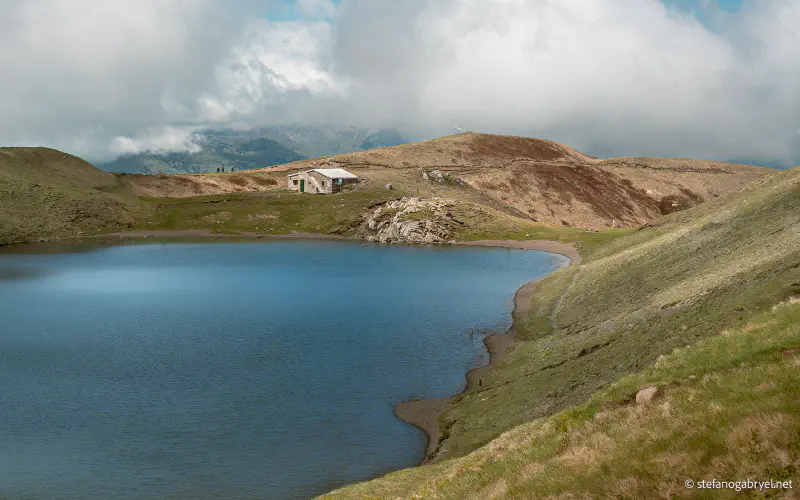
Book a private guided hike to Scaffaiolo Lake. 360° Apennine views & Rifugio visit. Expert tours from Lucca, Pistoia & Pisa. Reserve your trek!
Accommodation Prices Drop Dramatically
Here’s a practical advantage that makes winter Tuscany particularly appealing: accommodation costs plummet.
The hotels, agriturismi, and mountain lodges that charge premium rates during summer and autumn often reduce prices by thirty to fifty percent during winter months.
This means you can afford higher-quality accommodations for the same budget, or extend your stay for less money, or simply save significantly on what’s often one of the largest expenses of any trip.
The economic accessibility of winter travel also extends to restaurants, tours, and other services—many businesses offer winter promotions or simply have more flexibility with pricing when demand is lower.
For someone planning good Tuscany tours winter offers, this cost advantage means you can invest more in guided experiences, better equipment rental, or simply enjoy more comfort without breaking your budget.
I often recommend winter specifically to clients who want to experience Tuscany’s mountains properly but are working with limited funds—the savings on accommodation alone can make the difference between a weekend trip and a week-long exploration.
Atmospheric Weather: Drama and Light
This is where winter truly excels, and where most visitors completely underestimate what the season offers.
Summer in Tuscany tends toward clear skies and consistent conditions—beautiful, certainly, but photographically somewhat predictable.
Winter brings atmospheric complexity that transforms ordinary landscapes into extraordinary scenes.
The interplay of clouds, mist, and mountains creates constantly changing conditions that challenge and reward photographers willing to work with them.
One moment you’re hiking through dense fog that reduces visibility to twenty meters, creating an intimate, mysterious atmosphere where trees emerge from whiteness like ghosts.
Ten minutes later, the fog lifts partially, revealing distant peaks floating above clouds like islands in a sea of white.
Another hour and the clouds might break entirely, sending shafts of light across valleys and illuminating specific peaks while others remain in shadow.
These dramatic light conditions—what photographers call “god rays” or crepuscular rays—occur far more frequently in winter when the atmosphere holds more moisture and the sun angle is lower, creating the perfect conditions for visible light beams breaking through clouds.
I’ve captured some of my most striking mountain photographs during winter precisely because of these atmospheric conditions.
The video I’ll include with this post shows exactly what I mean: clouds rolling through valleys, light breaking over ridges, the ethereal quality that makes winter mountain landscapes feel almost otherworldly.
In summer, you might hike to Lago Nero and find clear reflections under blue skies—beautiful, but straightforward.
In winter, you might arrive to find the lake partially frozen, fog drifting across the surface, and then suddenly the sun breaks through, illuminating the scene with golden light while mist swirls around the shoreline.
These are the moments that separate documentation from art, and winter delivers them far more consistently than any other season.
The lower sun angle in winter also means better light lasts longer throughout the day.
While summer’s harsh midday sun creates difficult contrast and flat lighting, winter sun stays at more favorable angles even in the middle of the day, giving you more hours of usable light for photography.
Early mornings and late afternoons—the classic golden hours—become even more spectacular when combined with winter’s atmospheric conditions.
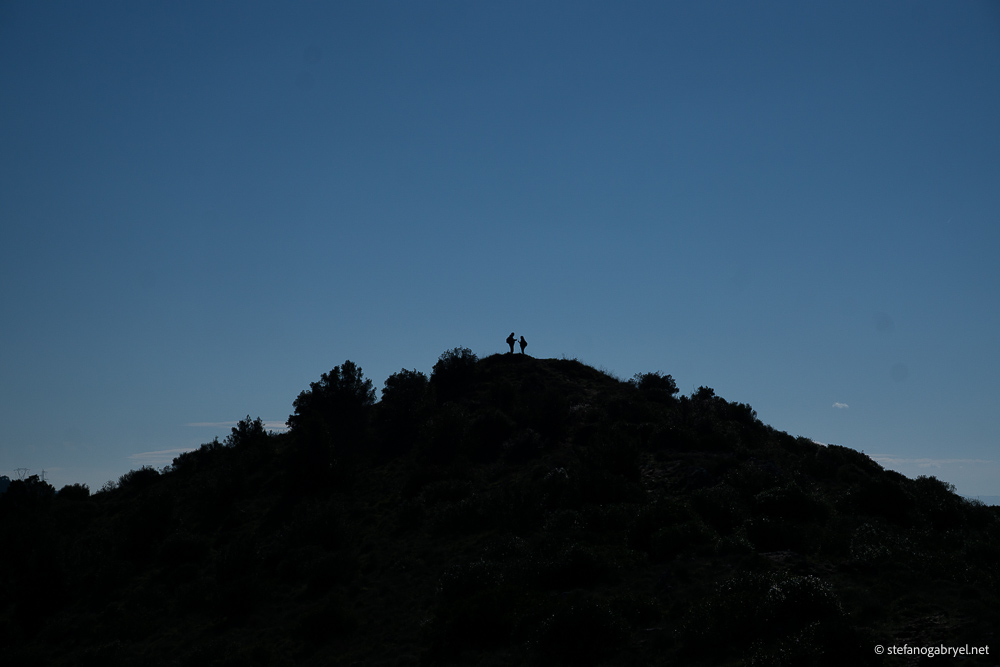
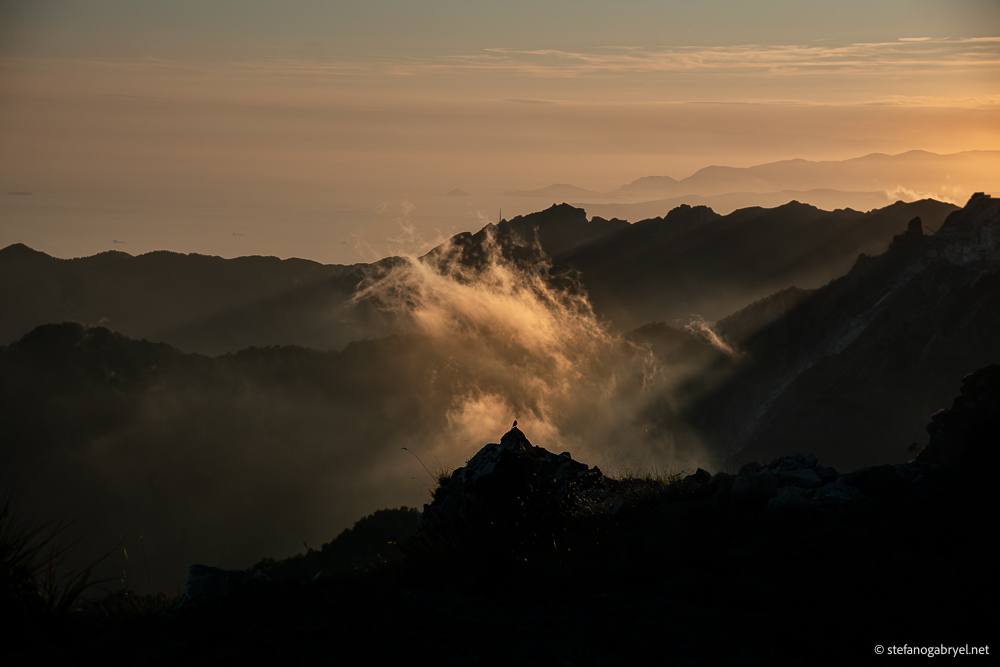
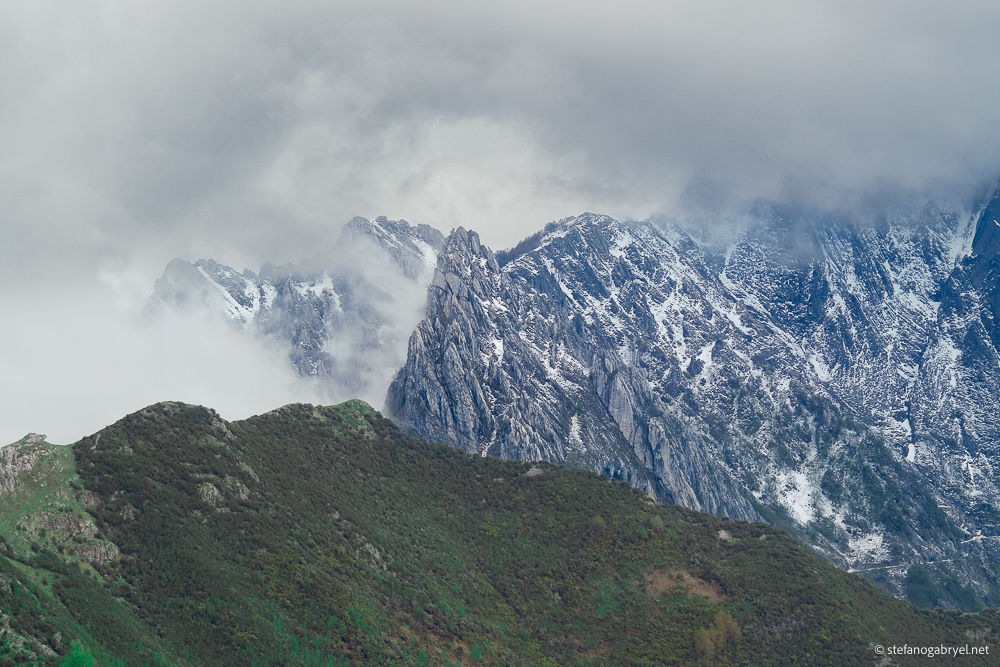
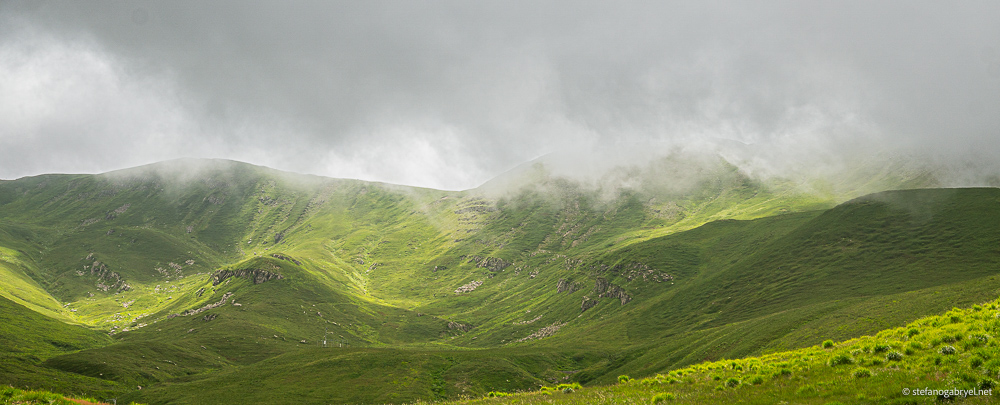
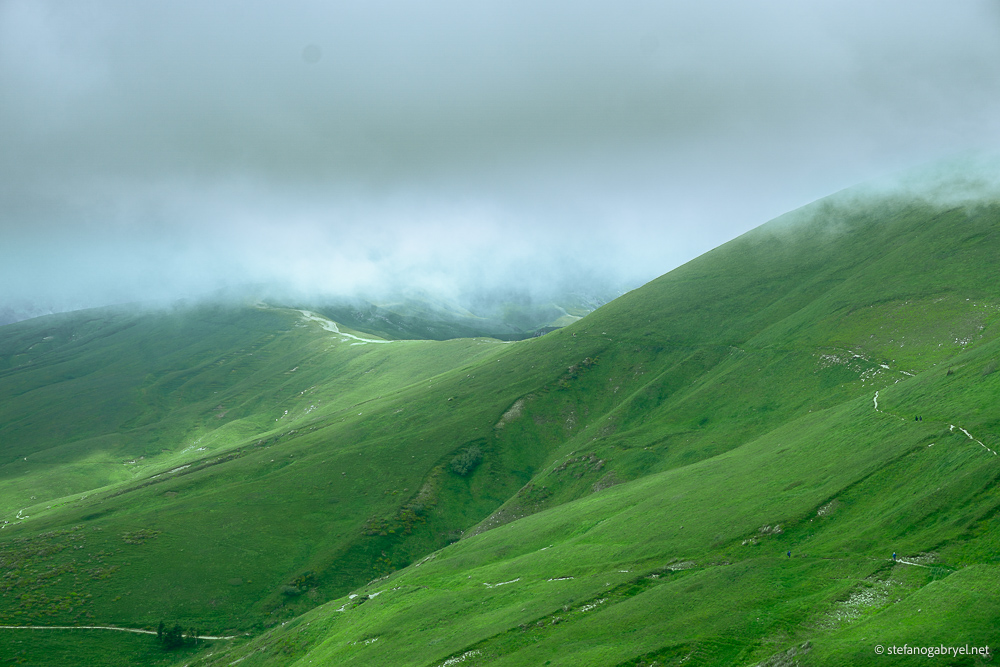
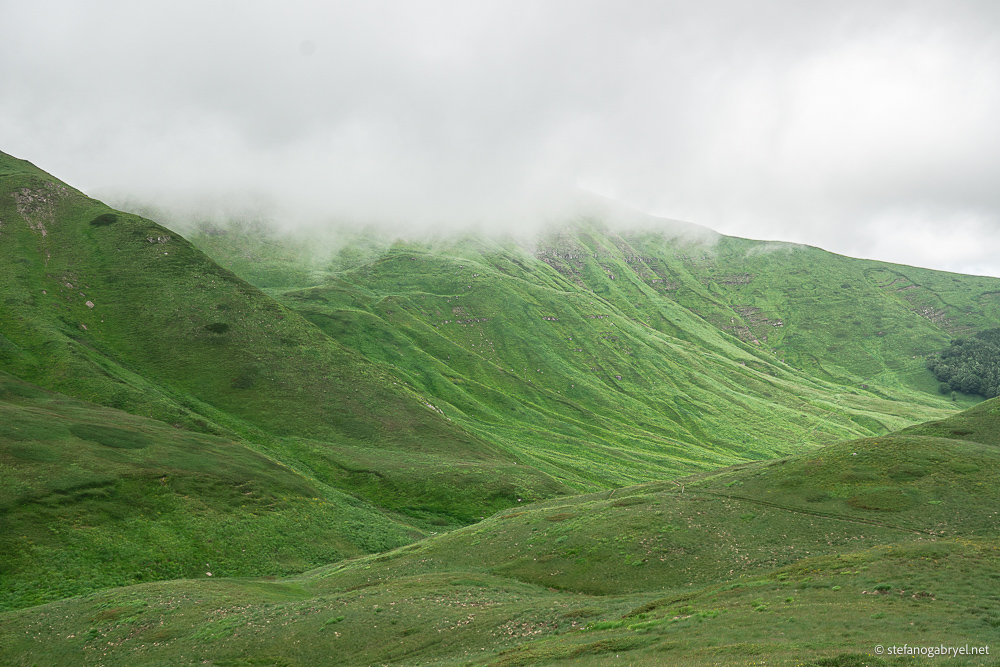
All gallery images are original photographs taken by me.
Acquerino in Winter: A Premier Winter Destination
One location that perfectly exemplifies everything winter offers in Tuscany is Acquerino.
This protected wilderness area in the Tuscan-Emilian Apennines becomes almost unrecognizable in winter compared to its autumn incarnation as a crowded mushroom-hunting destination. (see the video at the top of the article)
The same forests that see cars parked at every roadside during mushroom season become utterly silent in January and February.
I’ve hiked for entire days through Acquerino in winter without encountering another person—just the sound of streams, the bare beech forests, and occasionally the calls of deer echoing through the valleys.
The Douglas fir groves take on a particularly atmospheric quality in winter fog, with those towering American conifers emerging from mist like something from a Pacific Northwest wilderness rather than central Italy.
The golden light that filters through these groves on clear winter mornings creates scenes that belong in cinema rather than real life.
Winter is also when Acquerino’s abundant water becomes most dramatic.
The countless streams that give the reserve its name (acquerino means “place of waters”) run high and clear with winter rainfall, creating cascades and waterfalls that barely trickle during summer.
For photographers, these water features combined with winter light and atmospheric conditions offer extraordinary opportunities.
The terrain at Acquerino also provides perfect flexibility for winter conditions—when higher peaks are snow-covered or weather-threatened, the reserve’s network of old carriage roads and lower-elevation trails remain accessible, allowing meaningful mountain experiences even during challenging weather.
This is precisely the kind of local knowledge that makes guided winter tours valuable: knowing which locations remain safe and spectacular when conditions eliminate other options.
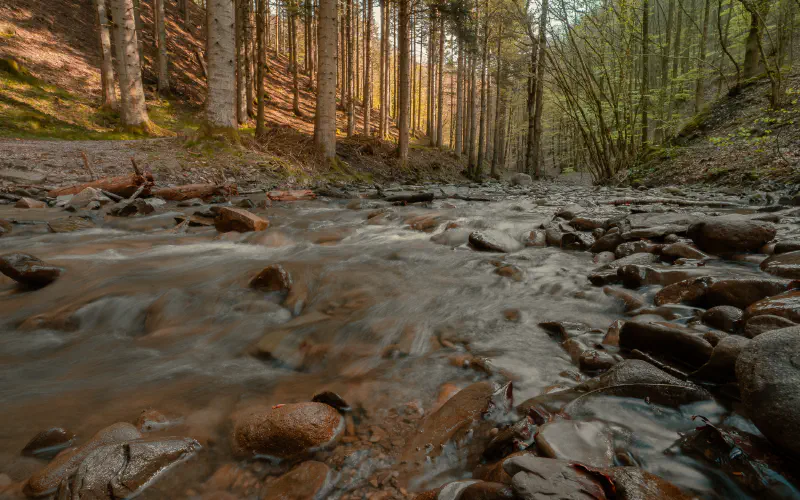
Guided private hike in Riserva Acquerino. Trek the Red Deer Kingdom near Florence & Pistoia. Certified local guide. Book your mountain tour today!
The Possibility of Snow: Transformation Without Guarantee
I need to be honest: winter in Tuscany’s mountains doesn’t guarantee snow, especially with climate change making seasonal patterns less predictable.
Some winters bring multiple snowfalls that transform the landscape into pristine white wonderlands.
Other winters remain relatively dry, with only the highest peaks receiving occasional dustings.
But even the possibility of snow adds an element of adventure and transformation that other seasons can’t match.
When snow does fall, it completely reimagines familiar landscapes.
Practical Considerations: What You Need to Know
If I’ve convinced you to consider winter hiking in Tuscany, here are practical realities to understand.
Weather can be genuinely harsh at altitude—temperatures at 1000-1500 meters might be well below freezing even when valley towns are relatively mild.
Proper clothing is non-negotiable: layered clothing, warm hat, gloves, and good boots with traction.
Some higher trails may be inaccessible or dangerous without specialized equipment like crampons or snowshoes, which is why local knowledge becomes crucial.
I provide detailed equipment lists for winter hikes and can advise on what to bring, what to rent, and what conditions to expect for specific dates and locations.
The mountain rifugi operate on reduced schedules in winter—some close entirely, others open only on weekends, so planning requires checking current status rather than assuming summer availability.
Roads to certain trailheads may require snow chains or four-wheel drive after heavy snow, another reason why guided tours provide value beyond just navigation and photography instruction.
Why Winter Tours Make Sense
All of these factors—the solitude, the dramatic weather, the winter-specific skills required, and the practical challenges—combine to make guided winter tours particularly valuable.
I handle the logistics, assess conditions, provide appropriate guidance on equipment and preparation, and most importantly, know when to embrace challenging conditions versus when to adjust plans for safety.
The combination of hiking guide expertise and landscape photography knowledge means I can keep you safe while positioning you for the best possible images—understanding not just where to go, but when to be there and how to work with the specific conditions winter delivers.
The Uncrowded Season Reveals Authentic Tuscany
Perhaps the deepest value of winter in Tuscany’s mountains is how it strips away the tourist veneer and reveals the authentic landscape.
The accommodations you’ll stay in, the rifugi you’ll visit, the few other hikers you’ll encounter—these are people engaged with the mountains for genuine love of the landscape rather than checkbox tourism.
The photographs you’ll capture won’t look like the standard Tuscany postcards because you’re seeing and experiencing a different Tuscany entirely—one that’s more challenging, more rewarding, and ultimately more memorable precisely because it demands more from you.
Winter hiking in Tuscany’s mountains isn’t about comfort or ease—it’s about authentic experience, dramatic beauty, and the satisfaction of engaging with landscape on more demanding terms.
If you’re willing to embrace the cold, the uncertainty, and the challenge, good Tuscany tours winter provides are unlike anything the crowded seasons can offer.
Experience Winter in Tuscany's Mountains
Ready to discover Tuscany in the winter? Book a hike with me to experience dramatic mountain conditions, atmospheric light, and solitude in the Apuan Alps or Appennines.

or head to the contact page
Explore Hidden Tuscany
Guided hiking experiences combining expert trail knowledge, professional photography, and wilderness mindfulness.
Latest posts
 5 March 2026
Salamandra Salamandra: Fire Salamander in Tuscany
5 March 2026
Salamandra Salamandra: Fire Salamander in Tuscany 5 March 2026
Pisa: Base for Exploring Tuscany's Hidden Nature
5 March 2026
Pisa: Base for Exploring Tuscany's Hidden Nature 5 March 2026
Montecatini Terme: Base for Exploring Tuscany's Nature
5 March 2026
Montecatini Terme: Base for Exploring Tuscany's Nature 4 March 2026
Galium Aparine: Cleavers in Tuscan Hedgerows
4 March 2026
Galium Aparine: Cleavers in Tuscan Hedgerows 3 March 2026
Umbilicus Rupestris: Wall Pennywort in Tuscany
3 March 2026
Umbilicus Rupestris: Wall Pennywort in Tuscany