
I'm Stefano, and I guide people through the Tuscany most tourists never see. Want to hike in Tuscany with me?
Last updated 17 September 2026
The high point of Tuscany is Monte Prado, 2,054 metres, on the Apennine crest above the Garfagnana. Most visitors never learn there are mountains in Tuscany at all. Mountain ground covers about a quarter of the region, and the Tuscan mountains are where the walking is.
Two ranges hold nearly all of that height, and they could not look less alike: the long green wall of the Apennines and the sharp marble teeth of the Apuan Alps.
The Tuscany on the postcards is the other three quarters: vineyards, cypress lines, a hilltop town in the haze. What follows is the tall part, range by range, and which one is worth your day.
Not sure which range suits your trip? A local’s Expert Brief reads your dates and fitness and points you to the right ground.
The mountain ranges in Tuscany, tallest to lowest
Almost all of Tuscany’s high ground sits in the north: the long Apennine border with Emilia-Romagna, and the Apuan Alps just inland of the Versilia coast. The famous hills of the south are a different, softer country.
Seven ranges, if you count everything a walker would call a mountain rather than a hill.
| Range | Highest peak in Tuscany | Height | Where | What the walking is like |
|---|---|---|---|---|
| Apennines (Appennino Tosco-Emiliano) | Monte Prado | 2,054 m | The whole northern border, Garfagnana east to the Casentino | Rounded and forgiving, until the weather turns on the open crest |
| Apuan Alps (Alpi Apuane) | Monte Pisanino | 1,946 m | Northwest, inland from the Versilia coast | Steep and exposed, with knife-edge ridges. The one range that asks for a guide or real experience |
| Monte Amiata | Monte Amiata | 1,738 m | On its own in the south, between Siena and Grosseto | Easy gradients on every side of the dome |
| Pratomagno | Monte Pianellaccio | 1,592 m | East, between Arezzo and the Casentino | Chestnut woods, then open grass |
| Colline Metallifere | Le Cornate | 1,060 m | Southwest, inland from the Maremma coast | Old mining country. On a clear day the summit sees Corsica |
| Monte Pisano | Monte Serra | 917 m | Between Pisa and Lucca | Olive terraces below, chestnut above |
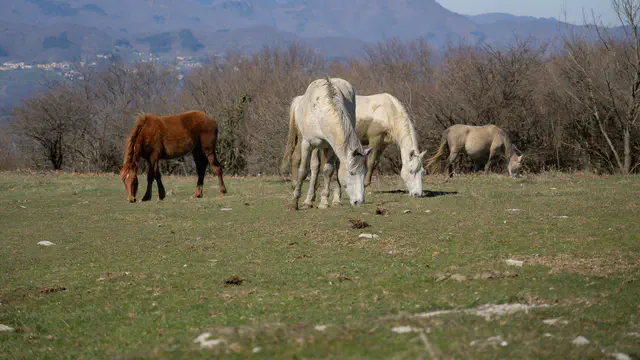
| Monti della Calvana | Monte Maggiore | 916 m | The ridge north-east of Prato | Open grass and sinkholes, with a feral horse herd on it |
Where can I take you
Castelfranco Piandiscò
Balze del Valdarno Private Walk
Lucca
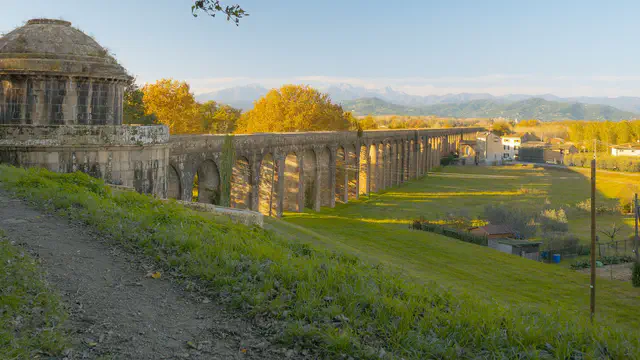
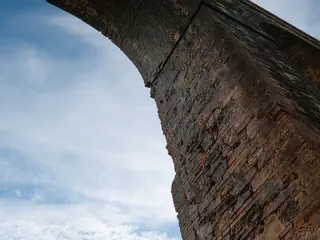
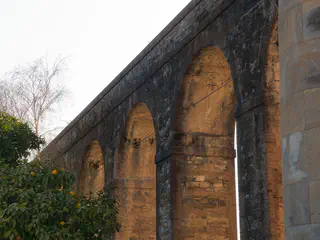
Nottolini Aqueduct Private Tour
Abetone Cutigliano
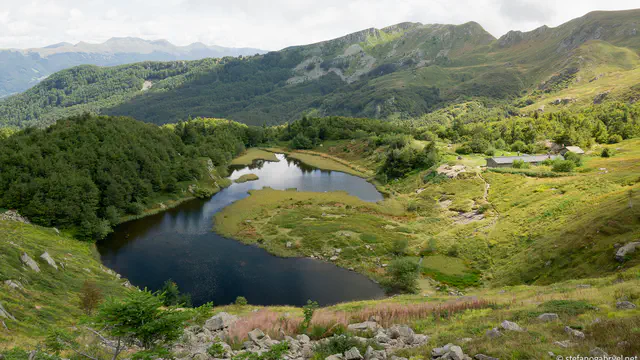
Lago Nero
Cantagallo
Acquerino-Cantagallo Private Tour
Vaiano
Calvana Ridge Private Tour
Stazzema
Marmifera del Corchia Private Tour
San Marcello Piteglio
Monte Gennaio Summit Tour
Pistoia
Riserva Biogenetica Acquerino
Abetone Cutigliano
Scaffaiolo Lake Private Tour
The Apennines: Tuscany’s green roof
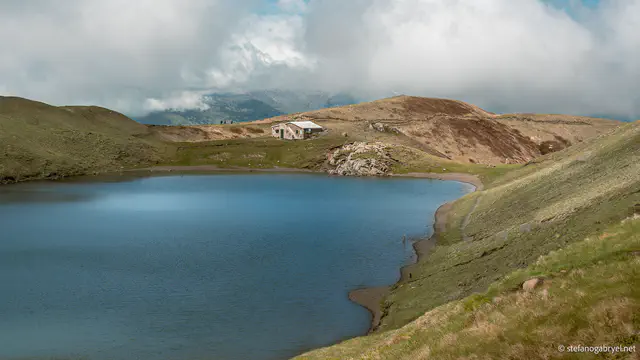
The Apennines are the backbone of the whole peninsula, and their northern arm runs right through Tuscany. It reaches from the Garfagnana in the west, across the Appennino Pistoiese and the Mugello, to the Casentino forests in the east.
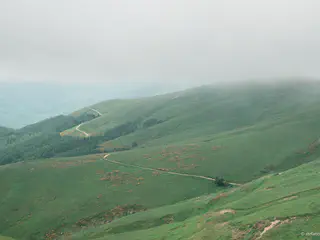
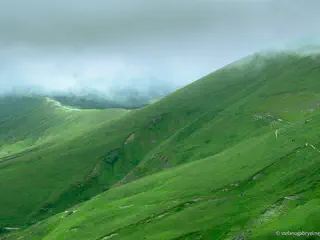
This is soft-shaped, forested mountain country. Rounded summits, beech and fir, glacial lakes left by the last ice age. In winter it holds real snow.
This is where I guide most, on the Pistoiese crest. A full day here might mean the ridge above Lago Scaffaiolo or the climb up Monte Gennaio, both classic Apennine outings. For the rhythm of such a day, I wrote one up in hiking in the Apennines.
Not all of it is high ridge. Lower down, deep forest reserves like Acquerino in the Appennino Pistoiese stay shaded and near-empty through high summer, while the open crest bakes.
The range is at its best in two windows: wildflowers between May and June, and the autumn foliage when the beech woods turn gold from late October.
The Apuan Alps: marble, not granite
The Apuan Alps are not true Alps. They are a compact range of marble and limestone, squeezed between the Garfagnana valley and the Versilia coast. They earn the name by shape alone.
Where the Apennines are rounded, the Apuane are vertical. Knife-edge ridges, and peaks like the Pania della Croce, 1,858 metres and the high point of the Versilia. The tallest is Monte Pisanino at 1,946 metres, and every one of them looks far bigger than its number.
This is marble country. The white Carrara marble that clad ancient Rome and became Michelangelo’s David comes out of these mountains, and the quarries are a landscape of their own. You can walk straight into that world on the Corchia marble road, a route I describe in full in the marble quarry hike.
A word of honesty: the Apuane are serious ground. Exposed, steep, and best met with a guide or real experience behind you.
Older rock, younger mountains
Here is the fact that surprises people. Both ranges are geologically young, and as mountains the Apuan Alps are younger still.
The Apennines have been rising for twenty to thirty million years, yet they look worn and rounded. Blame the rock. The sandstone and marl they are built from erode almost as fast as the range lifts, so the summits never sharpen. The chain is still growing today.
The Apuan Alps play a trick on the eye. Their marble began as limestone in a shallow tropical sea some 200 million years ago, then was cooked hard deep in the crust. But the peaks themselves were pushed up and laid bare mostly within the last few million years, and they are still rising. That sharp, alpine profile comes from youth and from hard, stubborn rock.
Monte Amiata and the softer uplands
South of the two big ranges, the mountains change character again. Monte Amiata is a single volcanic dome of 1,738 metres, wrapped in beech forest to the summit and standing alone above southern Tuscany. It is the high point of the whole south.
Around it and between the ranges sit the quieter uplands. None are tall. What they have instead is proximity: Monte Pisano and the Calvana both rise straight out of the plain at the edge of a city. The Pratomagno is the longest of them, a bare open back above the Arno. Several of these uplands protect rare habitats, which I cover in Tuscany’s best nature reserves.
What the high country actually looks like
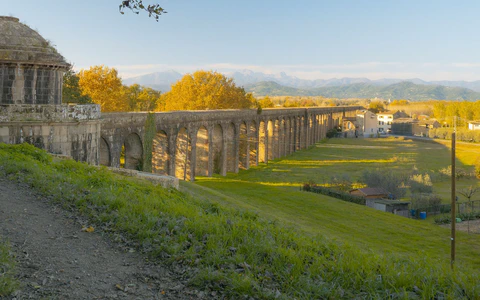
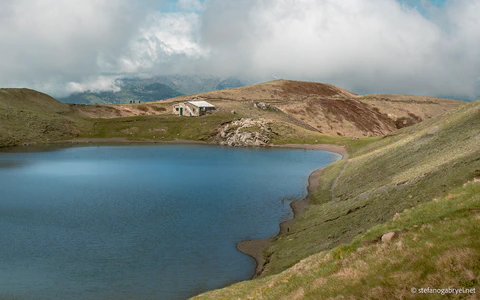
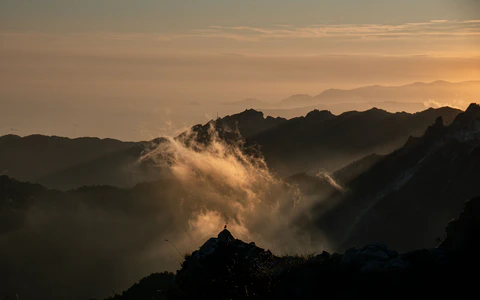
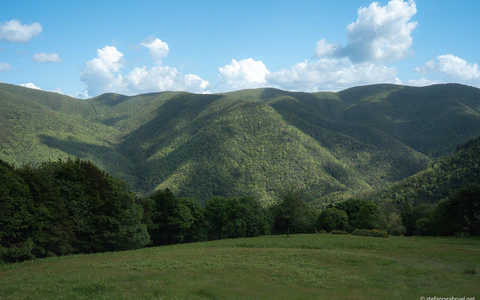
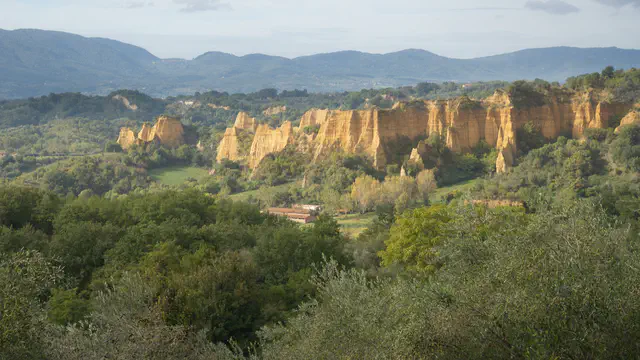
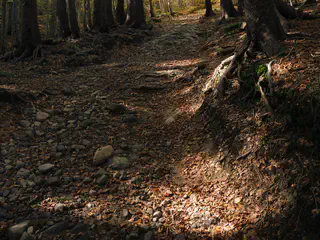
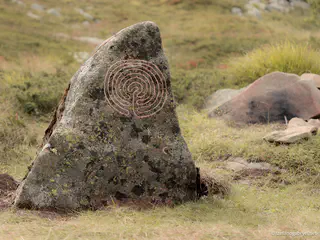
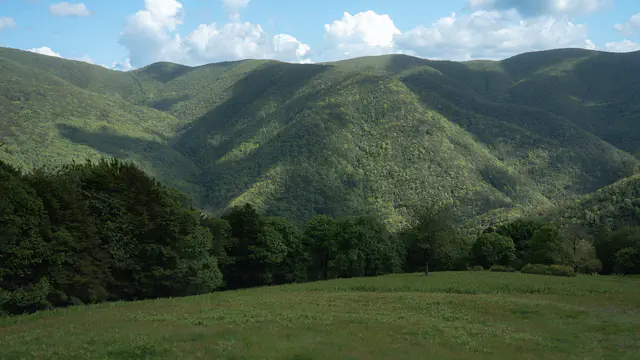
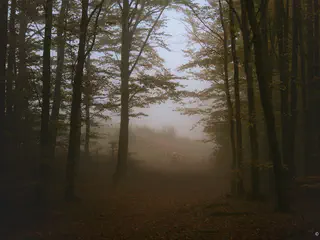
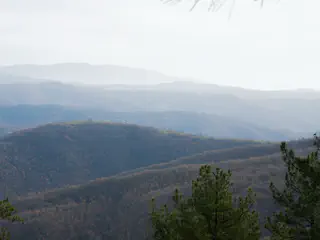
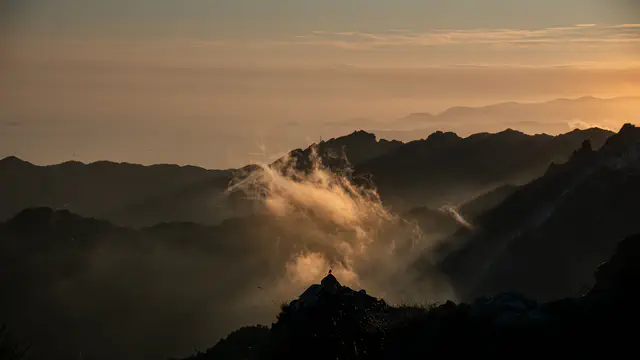
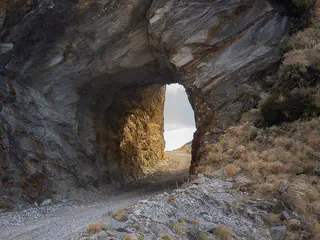
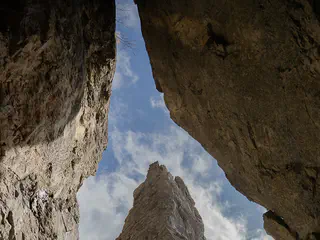
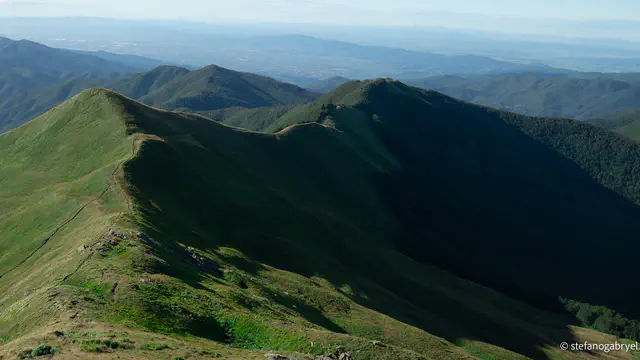
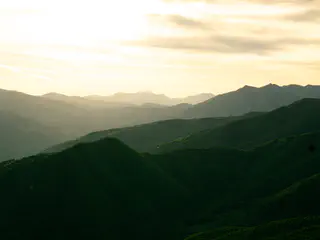
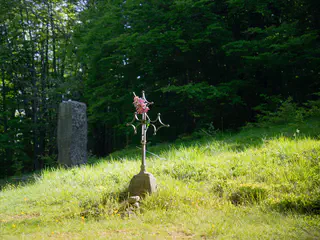
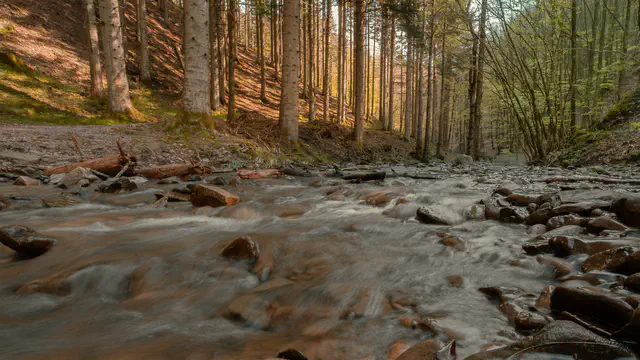
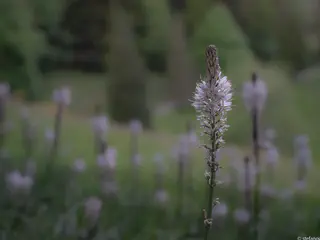
Every one of these is a day I have guided or scouted, shot on the ground rather than pulled from a stock library. Marble and storm in the Apuane, green ridge and beech forest on the Apennine crest, and the long view down to the coast that most visitors never know is there.
Tell me your dates and how far you like to walk, and we can put a day together.
All gallery images are original photographs taken by me.
Which range for your trip
So which mountains should you actually walk? It depends on what you want from the day.
- A first real mountain day with big views: the Apennines, gentler underfoot and easy to reach from Pistoia, Lucca or Florence.
- Drama and marble, if you are fit: the Apuan Alps, closer to the coast around Lucca and Massa.
- Solitude and forest: the shaded Apennine reserves or Monte Amiata, quiet even in August.
- Half a day and no car: Monte Pisano from Pisa or Lucca, or the ridges above Florence.
Season matters as much as range. The high country is a summer and early-autumn place; the flowers come from late spring, the beech turns in October. Winter belongs to the low hills. I keep a fuller month-by-month view in the best time to hike in Tuscany.
An hour from the art cities you can stand on a ridge above two thousand metres, the whole coast laid out below, and meet almost no one. For the walks themselves, my pick of the best hikes in Tuscany is the place to start.
Frequently asked questions
Looking for private hiking in Tuscany?
Browse my full collection of small-group, fully private hikes across the region.