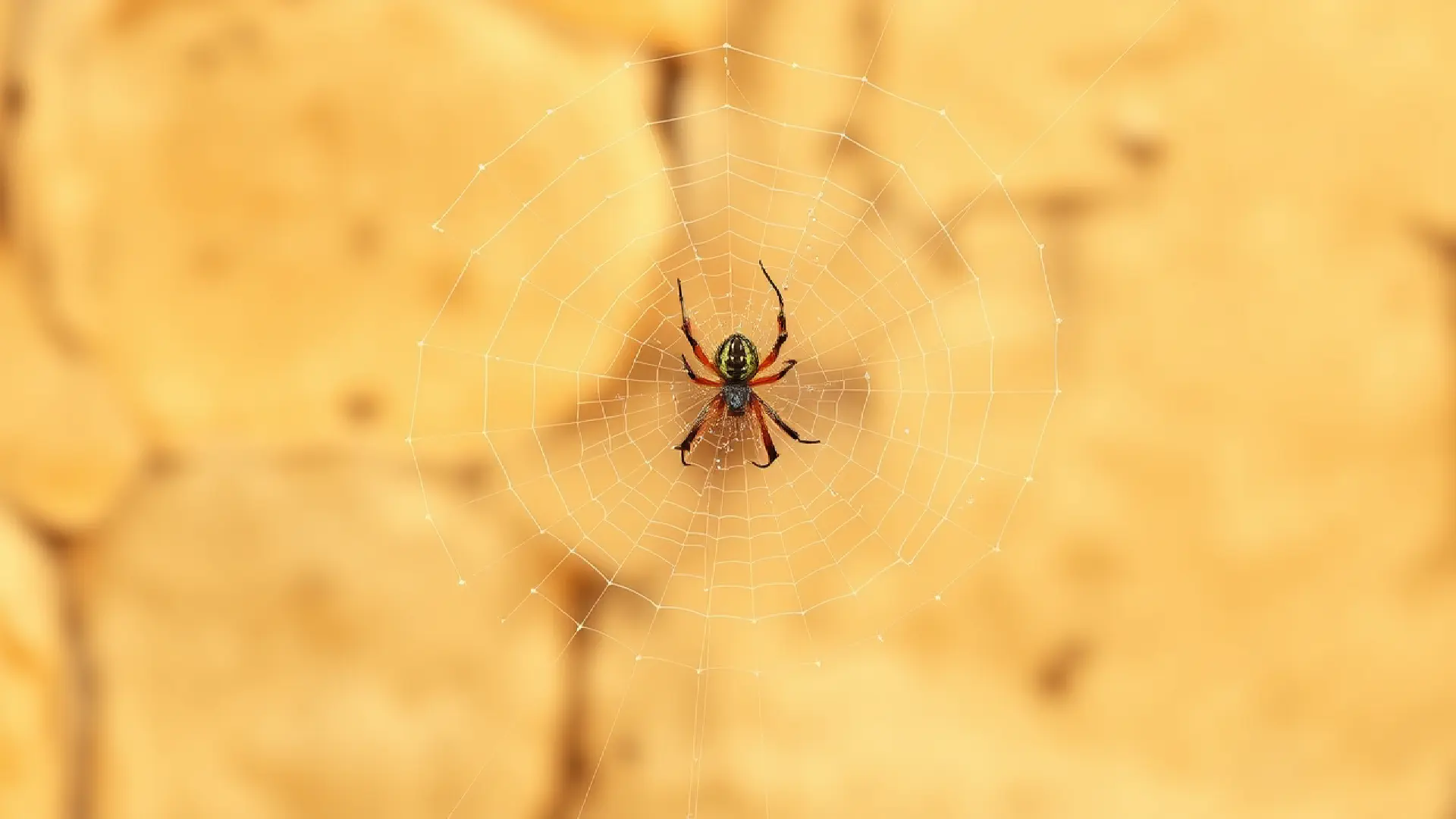
Every season, before we reach the trailhead, someone asks me about poisonous spiders in Italy. They have read something grim about the violin spider or the black widow. They arrive half-braced for an ambush in the grass.
The calmer truth is this: Italy has only two spiders that can actually harm you. Bites are rare, and the country’s famous “tarantula” is harmless.
I guide across the Apuan Alps and the Apennines, and I see spiders constantly. In all those years, I have never had a client harmed by one. Let me show you what actually lives here.
The Two That Actually Matter
Italy is home to hundreds of spider species. Almost all are harmless to people. Their fangs are too small or too weak to matter.
Only two are medically significant: the violin spider and the black widow. Both are shy. Both bite only in self-defence, and only when trapped against skin.
Knowing these two is the whole lesson. Everything else on eight legs is, for you, harmless.
The Violin Spider (Ragno Violino)
The violin spider is Loxosceles rufescens, the Mediterranean recluse. It is small and sandy-brown, with long legs and a faint violin-shaped mark behind the head.
It is barely a trail animal. It prefers dark, dry, undisturbed corners: woodpiles, sheds, cellars, the back of a stored box. You are far more likely to meet it indoors than on a path.
Its bite is usually painless at first. Most bites heal on their own with no trouble. A minority develop a slow-healing sore, the condition called loxoscelism.
Serious damage is rare, and the internet wildly overstates it. Many “recluse bites” turn out to be something else entirely. If you are bitten, clean the area, watch it, and see a doctor if it worsens.
The Black Widow (Malmignatta)
The black widow here is Latrodectus tredecimguttatus, known locally as the malmignatta. It is glossy black with a round abdomen, marked with red spots rather than a clean hourglass.
It lives low and warm: dry Mediterranean grassland, scrub, sun-baked stone walls, and the coastal Maremma. It is more common in the south, but warm Tuscan lowlands suit it.
The bite is rare but worth respect. The venom can cause cramping, sweating, and malaise, the syndrome known as latrodectism. It is seldom dangerous for a healthy adult, and antivenom exists.
The key point is simple. A widow will not come for you. You would have to place a hand, or sit down, right onto one.
The “Tarantula” That Isn’t Dangerous
Italy’s most fearsome-sounding spider is the least worrying. Lycosa tarantula is a large, hairy wolf spider from around Taranto, in the south.
This is the spider behind the tarantella dance and the old hysteria of “tarantism.” For centuries people believed its bite drove victims to dance until they collapsed.
The reality is dull. Its bite is roughly a bee sting. It is the most misunderstood spider in the country, and it deserves a calmer reputation.
What This Means on the Trail
Honestly, spiders sit near the bottom of my trail-risk list. The habits that keep you safe are the same ones I teach for vipers:
- Watch your hands on warm rocks and dry-stone walls.
- Never reach blindly into crevices, woodpiles, or under stones.
- Shake out boots, packs, and clothing left outside overnight.
- Wear proper footwear and walk with a steady tread.
Spiders sense vibration and leave long before you arrive. The genuine risks on a Tuscan trail are mundane: terrain, heat, and getting lost. I cover the full list in my guide to dangerous animals in Tuscany.
Looking for private hiking in Tuscany?
Browse my full collection of small-group, fully private hikes across the region.
The Bigger Picture
Fear of spiders runs deep and old. On a Tuscan trail it is wildly out of proportion to the actual risk.
These animals are quiet allies. They keep insect numbers down, and a widow’s web signals warm, undisturbed habitat. Read that way, they become part of the landscape rather than a threat.
A guide who knows the ground reads these signs for you. For the broader picture, start with my pillar guide to hiking in Tuscany.
Frequently asked questions
Hike Tuscany Without the Worry
I guide year-round across the Apuan Alps and the Tuscan Apennines, reading the ground so you don’t have to. Book a free consultation and we’ll plan a hike that fits you.