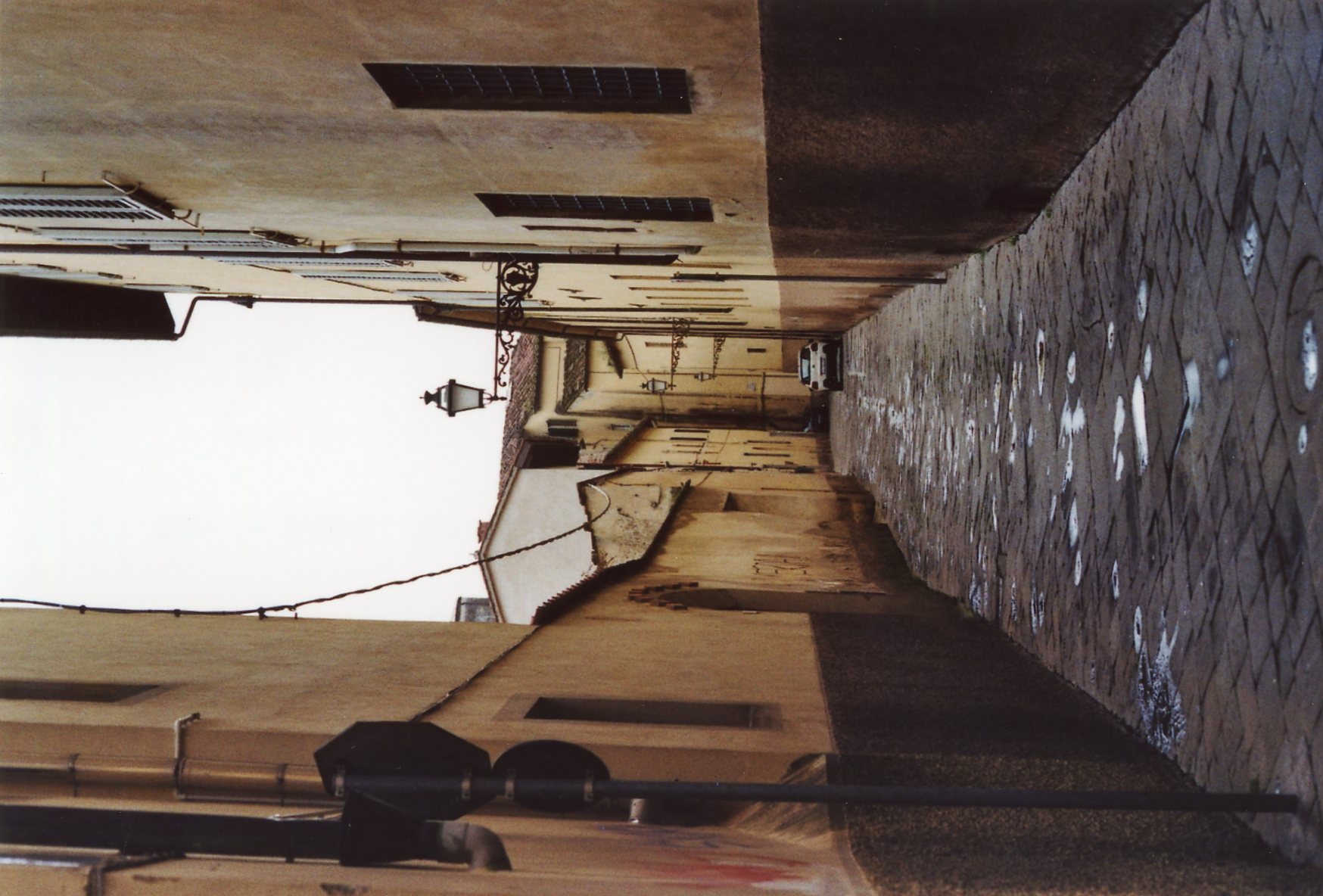
Ask most visitors about Pistoia and you’ll hear about the cathedral, the Piazza del Duomo, perhaps the medieval architecture.
What they won’t mention—because most guidebooks barely acknowledge it—is that Pistoia sits at the gateway to some of Tuscany’s most accessible and rewarding nature experiences.
Within thirty minutes of the city center, you can be deep in protected wilderness.
Within an hour, you can stand on Apennine peaks looking across mountain ranges that extend into Emilia-Romagna.
This isn’t the Tuscany of postcards and wine tours—it’s the Tuscany of forests, trails, and genuine wildness.
And it’s hiding in plain sight, waiting for anyone willing to look beyond the obvious.
The Surprise Close to Home: Pistoia Zoo
I’ll start with something unexpected: Giardino Zoologico di Pistoia, just outside the city center.
Before you dismiss this as a typical zoo experience, understand what makes this place different.
This is not a concrete-and-cages operation.
The zoo sits within extensive parkland, designed with naturalistic habitats and a clear conservation mission.
For families with children who love animals but also appreciate being outdoors, this offers an excellent middle ground between urban tourism and wilderness hiking.
What I appreciate about it:
- The layout encourages walking through varied terrain—you’re getting outdoor exercise while observing wildlife
- The focus on endangered species and conservation education goes beyond mere entertainment
- The surrounding park offers shaded walking paths, picnic areas, and green space that many city-center tourists never discover
Practical considerations:
- It’s genuinely family-friendly with facilities designed for young children
- Accessible by car in about 15 minutes from Pistoia center
- Combines well with a half-day in the city and a half-day outdoors
This isn’t where I typically guide serious hikers, but for families traveling with kids or anyone looking for a gentler introduction to Pistoia’s natural offerings, it serves an important role.
The Real Discovery: Acquerino’s Twin Reserves
Here’s where Pistoia reveals its wild side.
Thirty minutes from the city, two connected nature reserves offer some of the finest forest hiking in the Tuscan Apennines.
The administrative situation is slightly confusing—which is probably why these places remain relatively unknown.
Riserva Naturale Biogenetica di Acquerino falls under the municipality of Pistoia.
Riserva Naturale Acquerino Cantagallo belongs to the municipality of Prato.
But on the ground, they function as one continuous protected landscape.
The boundary is bureaucratic; the forest doesn’t care about municipal jurisdictions.
In this article I discuss Acquerino at length.
What Makes Acquerino Special
I guide hikes here regularly, and I keep returning for specific reasons.
The habitat diversity is remarkable:
- Mixed broadleaf forests at lower elevations (oak, chestnut, beech)
- High-altitude beech forests creating cathedral-like groves
- Mountain meadows that explode with wildflowers in spring and mushrooms in autumn
- Stream valleys with clear water and riparian ecosystems
The trail network accommodates multiple skill levels:
- Easy, nearly flat meadow loops perfect for families with young children
- Moderate forest trails with gentle elevation gain
- More challenging routes connecting to higher peaks in the Apennine chain
Critically, these are genuine nature reserves with real protection.
This isn’t just forest with a trail cut through it—these are managed ecosystems where hunting is prohibited (or limited), development is restricted, and the priority is conservation.
The wildlife populations reflect this: I regularly encounter deer, see evidence of wild boar, hear woodpeckers.
Family-Friendly Hiking at Acquerino
When families ask me where to hike with children in the Pistoia area, I send them to Acquerino without hesitation.
The meadow trails offer:
- Minimal elevation change (crucial for small legs)
- Wide, well-maintained paths (suitable for all-terrain strollers in many sections)
- Visual interest at child height (wildflowers, insects, mushrooms, streams)
- Picnic areas and facilities at strategic points
- The genuine sense of being “in nature” without the danger or difficulty of mountain terrain
A typical family loop might be 3-5 kilometers, taking 2-3 hours with stops for exploration and snacks.
Children can run ahead safely on the open meadow sections, parents can actually relax rather than constantly managing risk, and everyone finishes feeling they’ve had a real outdoor experience.
This is rare in mountain regions where “easy” trails often still involve challenging terrain or exposure.
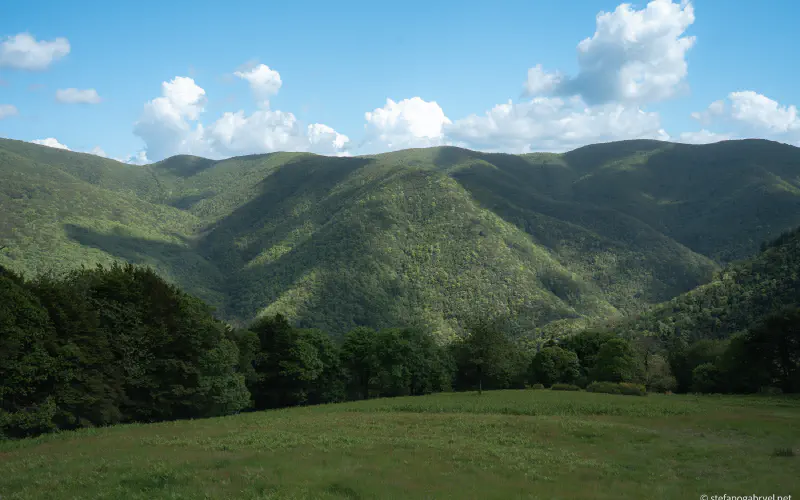
Book a private guided hike in Riserva Acquerino-Cantagallo. Expert trekking tours from Pistoia, Prato & Florence. Escape the crowds—reserve your tour!
Pushing Further: The High Apennines
For those willing to drive an hour or invest a full day, the high peaks of the Tuscan-Emilian Apennines open up different possibilities.
This is where Pistoia’s position as a mountain gateway becomes clear.
Monte Gennaio
Monte Gennaio sits in the heart of the Apennine ridge, accessible from several approaches.
What draws me here:
- The summit offers 360-degree views across both Tuscany and Emilia-Romagna
- The ridge walk approaches involve varied terrain that feels genuinely mountainous without requiring technical skills
- Spring and early summer bring extensive wildflower displays
- Autumn colors in the beech forests are spectacular
This is intermediate-level hiking:
- Expect 600-800 meters elevation gain depending on your starting point
- 4-6 hours round trip
- Good fitness required, but no technical difficulty
- Trail conditions vary seasonally—check current information
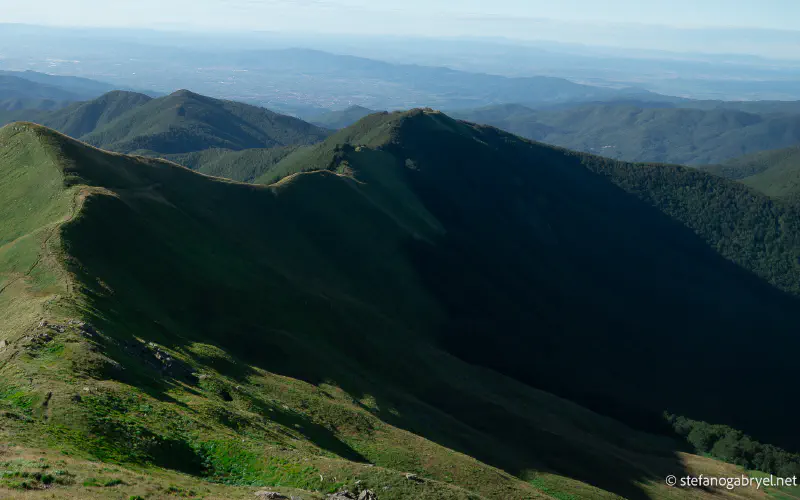
Book a private guided ascent of Monte Gennaio. 360° summit views & expert trekking from Pistoia, Florence & Lucca. Reserve your mountain tour now!
Corno alle Scale and Lago Scaffaiolo
Move slightly further north and you reach Corno alle Scale (1,945 meters), the highest peak in this section of the Apennines.
But for many visitors, the real prize isn’t the summit—it’s Lago Scaffaiolo.
This glacial lake sits at 1,775 meters elevation, cradled in a cirque below the peak.
It’s one of very few natural high-altitude lakes in the Tuscan Apennines, and the landscape feels almost alpine—rare in this region.
Why Lago Scaffaiolo deserves the trip:
- The setting is genuinely dramatic—a deep blue lake surrounded by steep slopes and rocky outcrops
- The geology tells a clear story of glacial action, visible in the cirque formation
- The high-altitude environment supports different plant communities than lower elevations
- The light at this elevation, especially early morning or late afternoon, is exceptional for photography
- It’s accessible enough that reasonably fit families can reach it, yet remote enough to feel wild
Access considerations:
- Several approach routes exist with varying difficulty
- The classic route from Lago Scaffaiolo parking area is moderate but with significant elevation
- Plan 5-7 hours for a comfortable round trip with time at the lake
- Weather changes rapidly at this elevation—preparation is essential (see my article on layered clothing for example)
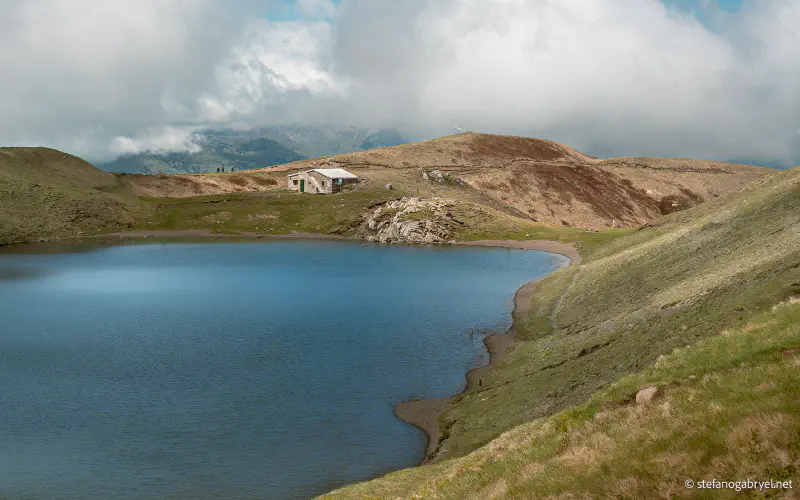
Book a private guided hike to Scaffaiolo Lake. 360° Apennine views & Rifugio visit. Expert tours from Lucca, Pistoia & Pisa. Reserve your trek!
The Mushroom Hunting Experience
Here’s something most Pistoia tourism materials won’t mention: the forests around the city offer some of Tuscany’s best mushroom foraging.
I’ve written elsewhere about mushroom hunting regulations in Tuscany, but Pistoia-area forests deserve specific mention.
The practical reality:
- You need proper permits to forage legally
- Species identification requires genuine expertise
- Guided mushroom hikes solve both problems—legal authorization and expert identification
What makes a mushroom hike different from regular hiking:
- The pace is slower, more observational
- You learn to read the forest—which trees, what soil conditions, how recent rainfall affects fruiting
- The seasonal timing is specific—you’re working with nature’s schedule, not yours
- There’s genuine excitement in discovery that differs from simply walking a trail
For visitors interested in this, autumn (September-November) is prime season, though spring offers different species.
Why Pistoia Works as a Base
The reason all of this matters is positioning.
Pistoia gives you:
- Easy access to these nature experiences (30-60 minutes to most destinations)
- A genuine Tuscan city with restaurants, services, and culture for when you’re not hiking
- Significantly fewer tourists than Florence, Siena, or Lucca
- Lower costs for accommodation and meals
- The ability to combine cultural tourism with serious outdoor activity
A typical itinerary might look like:
- Morning exploring Pistoia’s historic center
- Afternoon at the zoo with kids or an easy hike at Acquerino
- Next day: full-day hike to Monte Gennaio or Lago Scaffaiolo
- Another day: guided mushroom foraging (seasonal)
You’re not choosing between city and nature—you’re getting both from one base.
The Bigger Point
What I’m really describing is an alternative approach to experiencing Tuscany.
The standard tourist path focuses on:
- Famous cities
- Renaissance art
- Wine regions
- Postcard landscapes of rolling hills and cypress trees
All valid, all beautiful, but also incomplete.
The Pistoia area offers something different: the opportunity to engage with Tuscany as a landscape, an ecosystem, a place where natural processes continue regardless of tourism.
The glacial cirque at Lago Scaffaiolo formed 10,000 years before anyone thought to visit it.
The mycorrhizal networks supporting autumn mushroom fruitings have been developing for decades or centuries.
This is Tuscany on its own terms, not Tuscany as a backdrop for visitor experiences.
And paradoxically, by approaching it this way—with respect for the natural systems, with proper preparation, with willingness to work within seasonal and environmental constraints—you often have more memorable, more meaningful experiences than the standard tourist trail provides.
The Invitation
So if you’re planning time in Tuscany and the thought of another crowded piazza or prescribed wine tasting leaves you cold, consider Pistoia.
Not for what’s in the guidebooks, but for what they leave out.
The nature reserves thirty minutes away.
The Apennine peaks an hour distant.
The autumn mushroom season.
The possibility of encountering Tuscany as wilderness rather than museum.
This is what I specialize in guiding—not because I’m anti-culture or dismissive of Tuscany’s artistic heritage, but because I believe the landscape deserves equal attention.
The mountains were here long before the Renaissance.
They’ll be here long after our current tourism patterns shift.
And they offer something that crowded cities increasingly cannot: space, quiet, genuine encounter with the non-human world.
Experience Pistoia's Wild Side
Interested in exploring the nature reserves, mountain peaks, or seasonal mushroom foraging around Pistoia? Book a consultation call to discuss guided experiences tailored to your interests and fitness level.

or head to the contact page
Explore Hidden Tuscany
Guided hiking experiences combining expert trail knowledge, professional photography, and wilderness mindfulness.
Latest posts
 4 March 2026
Galium Aparine: Cleavers in Tuscan Hedgerows
4 March 2026
Galium Aparine: Cleavers in Tuscan Hedgerows 3 March 2026
Umbilicus Rupestris: Wall Pennywort in Tuscany
3 March 2026
Umbilicus Rupestris: Wall Pennywort in Tuscany 3 March 2026
Laurus Nobilis: Bay Laurel in Tuscan Landscapes
3 March 2026
Laurus Nobilis: Bay Laurel in Tuscan Landscapes 2 March 2026
Guided Tours for Exploring Marble Quarries in Apuan Alps
2 March 2026
Guided Tours for Exploring Marble Quarries in Apuan Alps 26 February 2026
Photographing Nottolini Aqueduct: Light & Geometry
26 February 2026
Photographing Nottolini Aqueduct: Light & Geometry