I’ll say it upfront: if someone tells you “it’s a birdwatching reserve” and your instinct is to politely decline, I understand.
I used to feel the same way.
Birdwatching sounds like standing in a hide for three hours, squinting through binoculars at a patch of reeds, waiting for something to move. It sounds like an activity for patient retirees with expensive optics and strong flasks of tea.
The Oasi LIPU at Lake Massaciuccoli changed my mind. Not because I suddenly became a dedicated birder — but because the place itself is far more interesting than the label suggests.
What the Oasi Actually Is
Lake Massaciuccoli is a shallow coastal lake nestled between the Apuan Alps and the Tyrrhenian Sea, near Torre del Lago Puccini. It’s part of the broader Parco Regionale Migliarino San Rossore Massaciuccoli — the same park system I’ve written about for accessible hiking.
The Oasi LIPU is a section of the lake and its surrounding wetlands managed by LIPU (Lega Italiana Protezione Uccelli — Italy’s BirdLife partner), specifically for habitat conservation and environmental education. It’s been a protected area since 1985.
But it’s not a museum or a static exhibit. It’s a living wetland where the landscape changes with the seasons, the water levels shift, and the inhabitants rotate in ways that make every visit different from the last.
The reserve includes:
- A visitor centre with educational exhibits
- Multiple birdwatching hides positioned around the lake
- Boardwalks and raised paths through marsh and swamp vegetation
- Boat access to the lake itself
Why It’s Not Boring
Here’s what surprised me when I first visited, and what keeps bringing me back.
Birds Are Everywhere When You Start Noticing
As a hiking guide, I spend most of my time in forests and mountains. Birds are background noise — literally. You hear them, you occasionally see a buzzard circling, and you move on.
At Massaciuccoli, birds become foreground. Not because you’re forced to look at them, but because the environment puts them directly in front of you. Herons standing motionless in shallow water, three meters from the boardwalk. Cormorants drying their wings on dead branches. Marsh harriers gliding low over the reeds. Kingfishers — impossibly blue — darting along the channels.
I’ve personally observed well over 20 species across my visits. Some highlights:
- Grey heron (Ardea cinerea): The tall, patient hunter. Always present, always striking.
- Little egret (Egretta garzetta): Brilliant white against green reeds. Elegant and photogenic.
- Purple heron (Ardea purpurea): Harder to spot than its grey relative — reddish-brown plumage blends into the marsh vegetation. A spring and summer visitor.
- Marsh harrier (Circus aeruginosus): A raptor that hunts low over the reed beds with slow, tilting wingbeats. One of the most distinctive flight silhouettes you’ll see.
- Kingfisher (Alcedo atthis): A flash of electric blue. Blink and you’ll miss it — but when you do see one perched, it’s unforgettable.
- Cormorant (Phalacrocorax carbo): Large, dark, and often seen in the characteristic wings-spread drying pose.
- Bittern (Botaurus stellaris): Rare, secretive, and one of the most rewarding sightings the oasi can offer. Its booming call carries across the reed beds in spring.
- Various warblers: Cetti’s warbler, reed warbler, sedge warbler — you’ll hear them constantly in spring and summer.
The lake has recorded over 300 bird species since systematic observation began. You won’t see all of them, obviously. But even a casual two-hour visit in the right season will produce sightings that genuinely surprise you.
The Seasons Change Everything
This is the part that makes Massaciuccoli a place you can return to, rather than a one-and-done attraction.
Spring (March–May) is when the oasi comes fully alive. Migratory birds arrive from Africa — swallows, warblers, herons setting up breeding colonies. The vegetation is fresh, the light is good, and the activity levels are at their peak. This is the best season for first-time visitors.
Summer (June–August) is quieter but not empty. Breeding birds are present with young. The heat can be intense — early morning visits are far better than midday. The vegetation is at its densest, which can make sightings harder but the landscape more dramatic.
Autumn (September–November) brings southward migration. Waders, ducks, and raptors pass through. The light shifts to warmer tones, and the reed beds turn golden. Photographers love this season.
Winter (December–February) is underrated. Thousands of ducks and other waterfowl overwinter on the lake. Teal, wigeon, shoveler, pochard — the water surface can be covered with birds. The bare vegetation also means better visibility into the reed beds, making shy species easier to spot.
Every season offers something different. I’ve visited in January and been surrounded by ducks. I’ve visited in April and watched a marsh harrier hunting low over the reeds while herons stood motionless in the channels below. Each time feels like a different place.
Walking the Lake Paths
Massaciuccoli is not just about sitting in hides. There are paths along the lake edge and through the swampy vegetation that volunteers maintain, and walking them is an experience in itself.
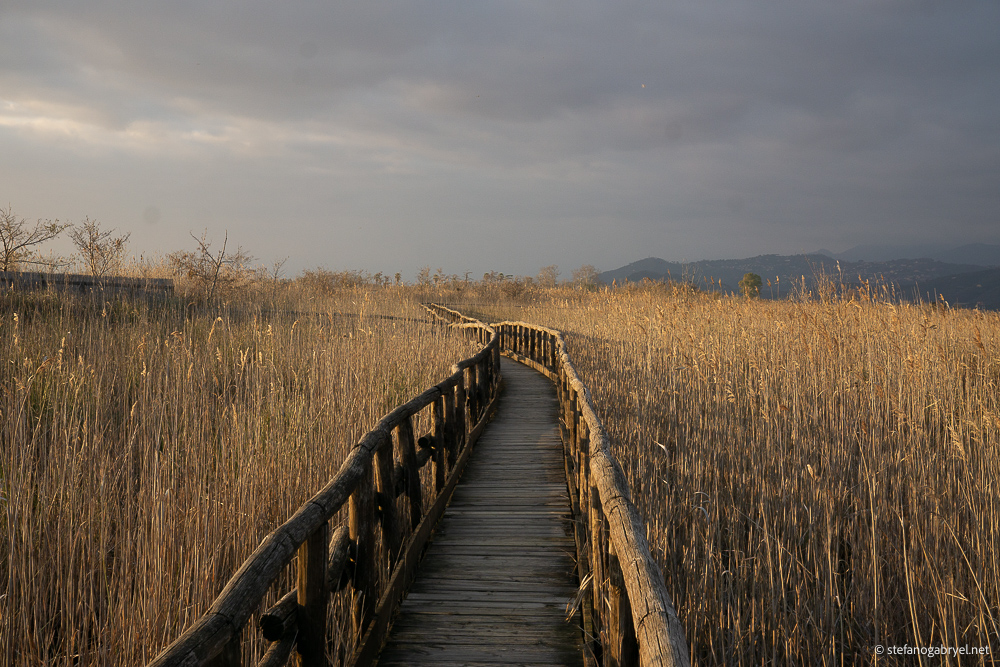
These are not mountain trails. They’re flat, often boardwalked, sometimes muddy. The terrain is soft ground, wooden planking, and raised dykes between water channels. The landscape is horizontal — wide views across reeds, open water, and sky.
For someone used to vertical mountain hiking, the shift in perspective is interesting. You’re not looking up at peaks. You’re looking across a flat expanse where the sky becomes the dominant feature. Cloud formations, light changes, and reflections in still water become the visual interest.
The paths bring you close to the water and the reed beds in a way that hides don’t. You walk alongside the marsh, hearing the constant rustling of reeds, the plop of frogs, the alarm calls of coots. It feels immersive in a way that’s qualitatively different from forest or mountain walking.
The volunteer maintenance matters. These paths would disappear within a season without regular clearing and repair. The reed growth is relentless, the water levels fluctuate, and wooden structures need constant attention. The fact that people give their time to keep these paths open says something about the value of this place.
A Photographer’s Playground
I need to mention this because it’s obvious the moment you arrive: Massaciuccoli is full of photographers.
Not just birders with long telephoto lenses (though there are plenty of those). Also landscape photographers working the reflections and reed patterns. Macro photographers chasing dragonflies and damselflies along the channels. People with phones, people with medium format cameras, people who clearly spend more time here than they’d admit.
The light is the reason. The lake creates its own microclimate — mist in early morning, flat reflections in calm conditions, golden backlighting through reeds at sunset. The horizontal landscape means the sky is always a major compositional element.
If you’re interested in nature photography in Tuscany, I’ve written about joining photography hikes and about my own lightweight camera setup for hiking. Massaciuccoli is a very different photographic environment from the forests and mountains I usually cover, but it’s equally rewarding.
A few practical tips for photographers:
- Early morning (first two hours after sunrise) and late afternoon produce the best light
- Bring a longer lens if you have one — 200mm minimum for bird portraits, 400mm+ is better
- A tripod is useful for the low-light conditions inside hides
- Waterproof footwear matters — some paths are genuinely muddy
- The hides have narrow viewing slots — check your angles before committing to a heavy setup
Some of my photos From Massaciuccoli
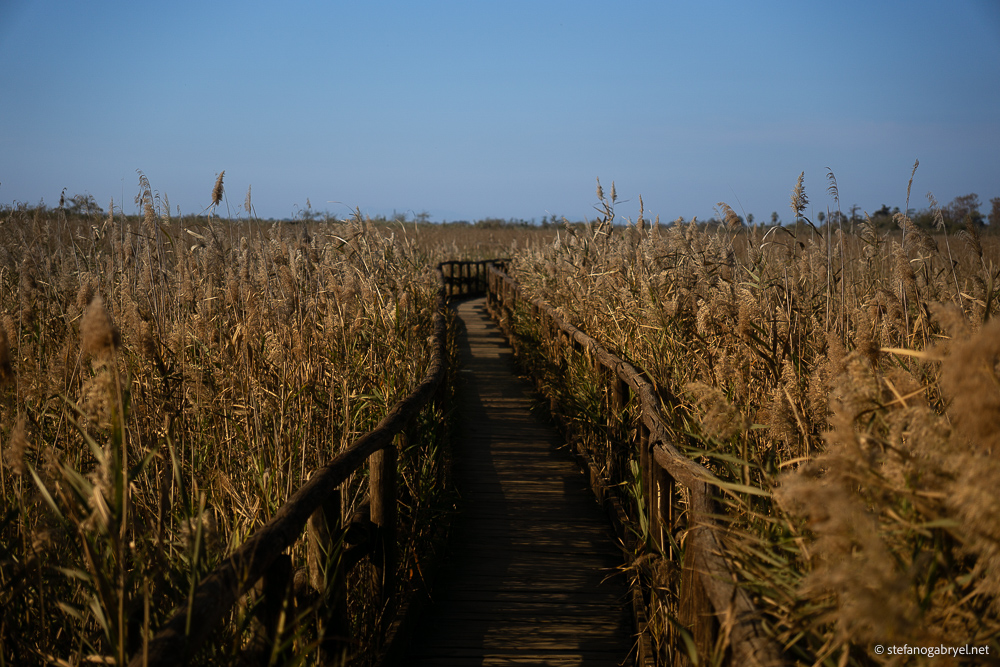
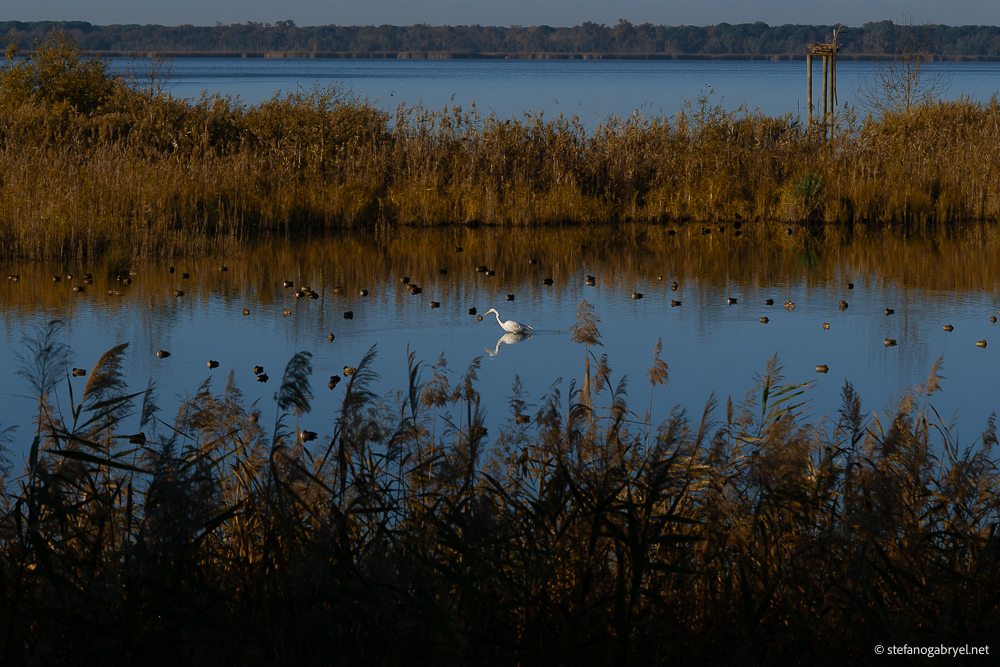
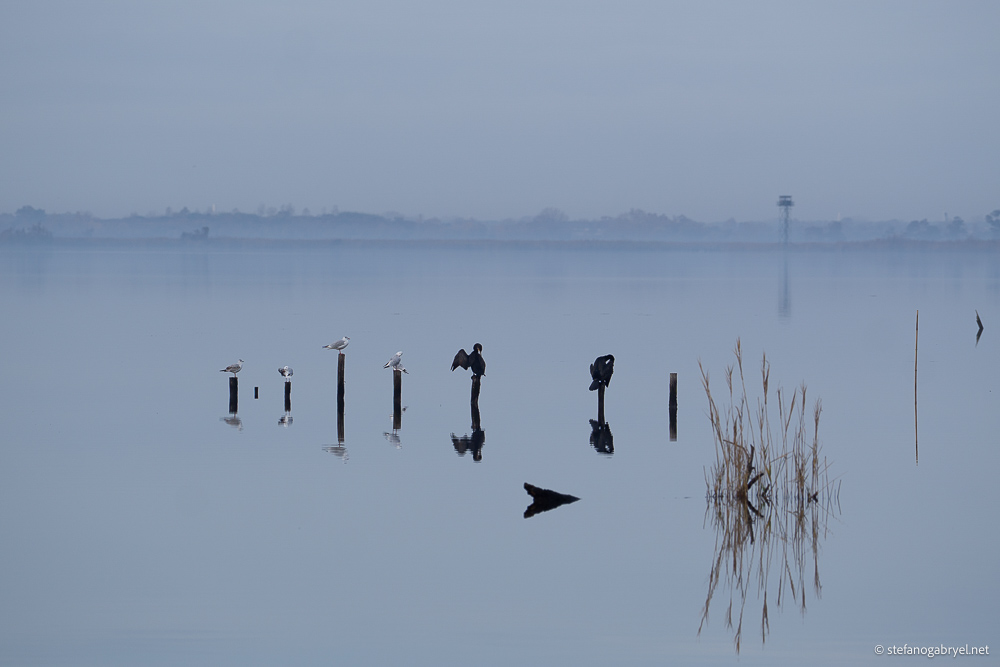
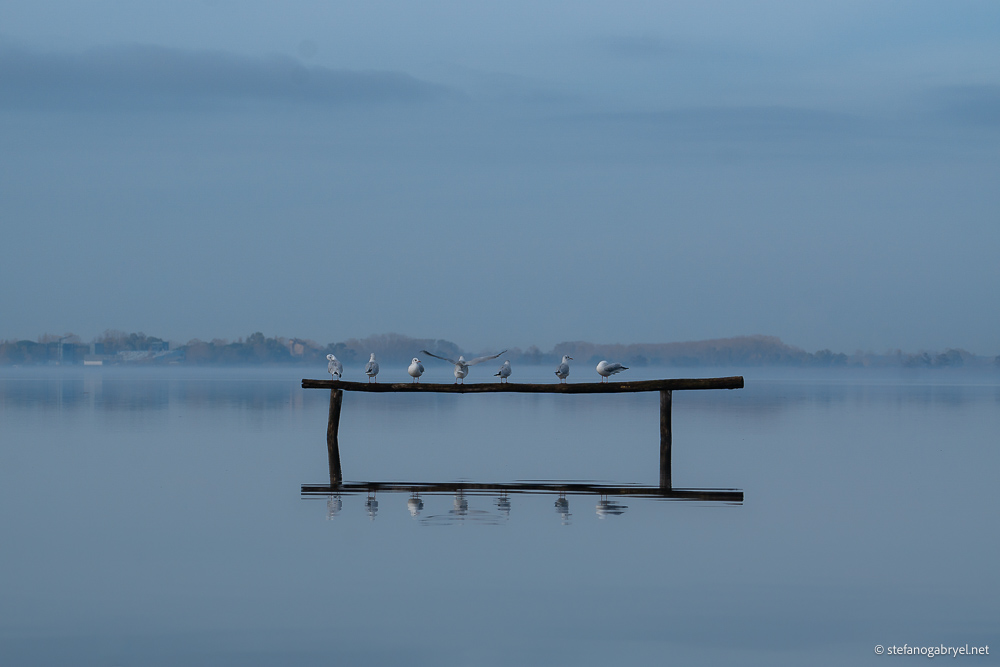
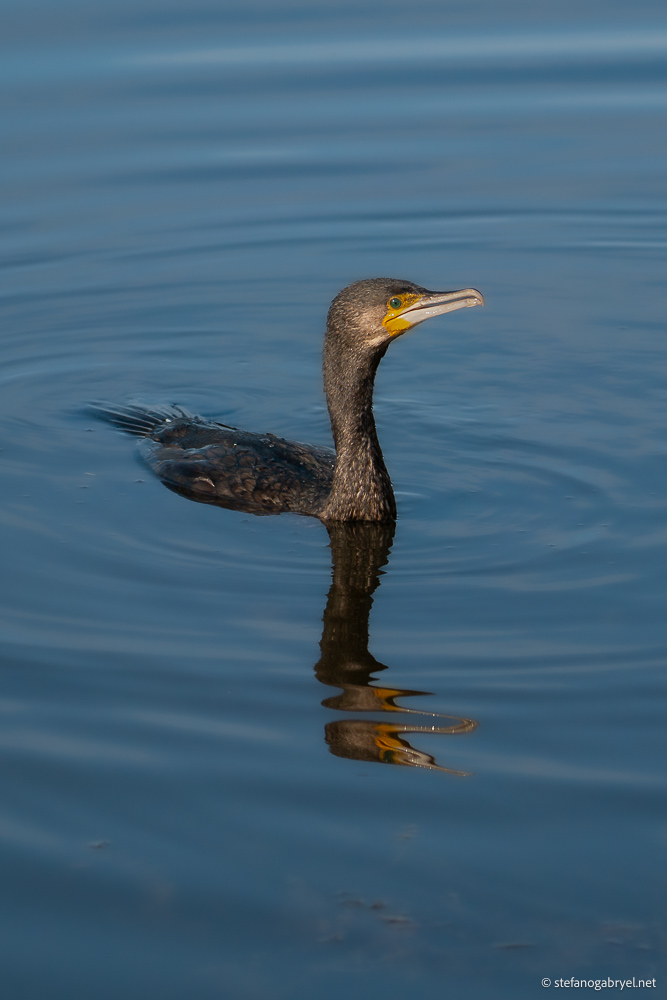
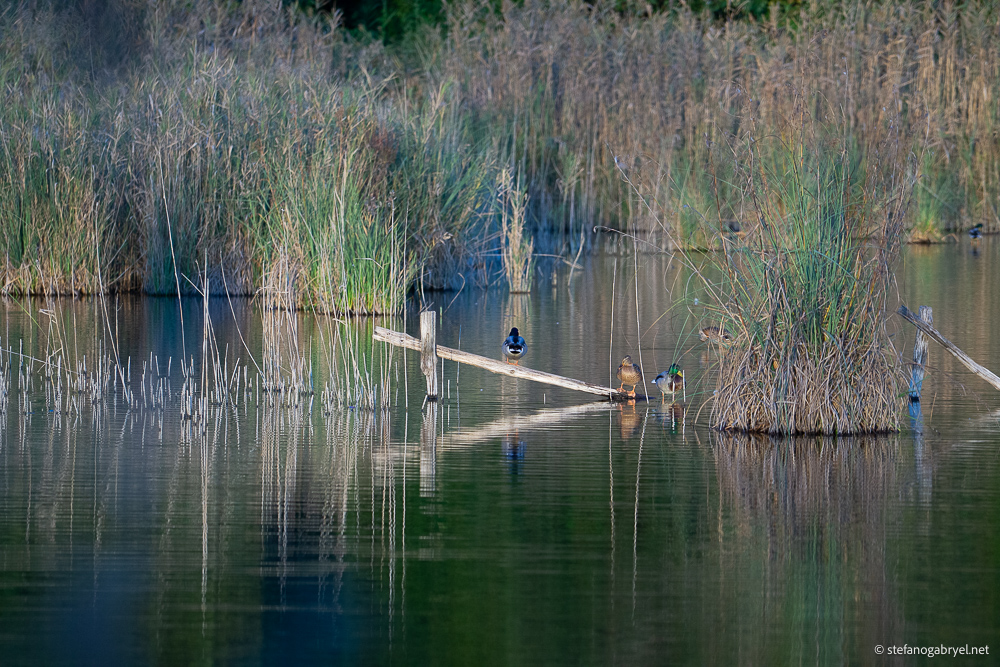
All gallery images are original photographs taken by me.
Getting There: Between Pisa, Lucca, and Livorno
One of Massaciuccoli’s greatest practical advantages is its position.
The oasi sits near Torre del Lago Puccini, on the shore of the lake, roughly equidistant between three major Tuscan cities:
Pisa is about 20 minutes by car, or reachable by regional train to Viareggio and then a short connection. If you’re using Pisa as a base for exploring nature — and it’s an excellent one — I’ve written about day treks from Pisa. Massaciuccoli adds a completely different kind of experience to your itinerary.
Lucca is about 25 minutes away. The lake sits at the edge of Lucca’s province, and combining a visit to Massaciuccoli with a walk along the Nottolini Aqueduct or trekking from Lucca makes for a full day that covers wetland and forest.
Livorno is about 40 minutes south along the coast. The combination of coastal city and lakeside wetland makes sense as a day trip, especially if you’re staying on the Tuscan coast.
The proximity to Pisa’s airport also matters for international visitors. You could land at Pisa, drive to Massaciuccoli, and be watching herons within an hour. Few nature reserves in Tuscany are this accessible from a major transport hub.
Practical Information
Opening hours: The oasi has seasonal hours — typically mornings and afternoons with a midday closure. Check LIPU’s website before visiting, as hours change and the reserve occasionally closes for maintenance or events.
Entry fee: There is a small entrance fee. LIPU members enter free or at a reduced rate.
Accessibility: The visitor centre and some paths are accessible. Boardwalks are generally flat but can be uneven in places. The birdwatching hides have step-free access in most cases.
Time needed: A minimum of two hours to walk the main paths and visit the hides. Half a day is better, especially if you’re photographing or visiting during migration season.
What to bring:
- Binoculars if you have them (the hides have good sight lines, but binoculars help enormously)
- Waterproof footwear — not optional in winter and spring
- Insect repellent in summer — it’s a wetland, and mosquitoes know it
- Water and sun protection — shade is limited on some paths
- A camera if you have one — even a phone captures the atmosphere
Best time to visit: Spring (March–May) for the broadest range of species and the most activity. Winter for sheer numbers of waterfowl. Avoid the hottest hours in summer.
A Different Kind of Nature Experience
I guide people through forests and mountains. I show them mushrooms, salamanders, old-growth beech trees, and views from ridges.
Massaciuccoli offers something I can’t replicate on a mountain trail: the patient, horizontal world of a wetland, where the wildlife comes to you if you’re willing to slow down.
You don’t need to be a birder to enjoy it. You don’t need expensive optics. You just need a few hours, reasonable footwear, and the willingness to stand still and let the place reveal itself.
It’s one of Tuscany’s best-kept secrets — not because it’s hidden, but because most visitors drive past the lake on their way to somewhere else, never knowing what they’re missing.
Explore Hidden Tuscany
Guided hiking experiences combining expert trail knowledge, professional photography, and wilderness mindfulness.