Last Update: 03 Mar 2026
When people ask me about nature photography opportunities in Tuscany, I see their eyes light up when I describe what awaits beyond the famous hills and vineyards.
Tuscany’s mountains—the Appennines and Apuan Alps—offer photographers an extraordinary diversity of scenes that rival anywhere in the Alps, yet remain surprisingly unknown to most visitors.
After years of photographing in these ranges, I can promise you this: the variety of landscapes available in our mountains will challenge and inspire your photography in ways you might not expect from Tuscany.
Two Mountain Ranges, Endless Photographic Possibilities
The Appennines and Apuan Alps may share Tuscany’s geography, but photographically, they offer distinctly different character and opportunities.
The Appennines, stretching along Tuscany’s northern and eastern borders, present gentler, more expansive landscapes—rolling ridges covered in beech forests, high meadows dotted with wildflowers in spring and summer, and glacial lakes nestled in cirques that reflect surrounding peaks with mirror-like clarity.
The Apuan Alps, despite their modest elevation, deliver dramatic alpine character—steep limestone peaks that catch golden light at sunrise, marble quarries that create surreal white scars against green forests, and rocky terrain that could easily be mistaken for the Dolomites in certain conditions.
What makes both ranges exceptional for photography is the diversity compressed into relatively small areas.
In a single day’s hike through either range, you might photograph dawn breaking over mountain lakes, mid-morning light filtering through ancient beech forests, afternoon clouds building over rugged peaks, and sunset coloring alpine meadows in warm tones.
The forests alone offer incredible variety: dense, shadowy beech groves where light becomes volumetric and mysterious; mixed forests where autumn transforms every hillside into a painter’s palette; high-altitude vegetation zones where windswept trees create natural bonsai forms.
Mountain lakes provide natural focal points—these high-altitude waters act as perfect foreground elements, reflecting peaks and sky while adding depth and interest to compositions.
The seasonal changes are dramatic and photogenic: spring brings explosive wildflower blooms across high meadows, summer offers long golden-hour light and occasional dramatic thunderstorms, autumn paints the beech forests in amber and gold, and winter occasionally dusts the peaks with snow that transforms familiar landscapes into pristine wonderlands.
Guided Photography Hikes: Why Going With a Guide Matters
I offer specialized photography hikes throughout both the Appennines and Apuan Alps, and the experience differs fundamentally from simply hiking with a camera.
As both a professional landscape photographer and experienced mountain guide, I know not just where to go, but when to be there, how to read the light, and what compositions work in each location.
This combination of skills means I can lead you to locations at the optimal time for photography, anticipate weather and lighting conditions, and provide on-location instruction that improves your images immediately.
When we hike together, we move at a photographer’s pace—not a hiker’s pace.
This means stopping frequently when light or subject matter demands it, waiting patiently for clouds to move into position, and sometimes covering less distance but capturing far better images.
I share technical advice specific to the conditions we encounter: how to expose for bright mountain scenes without blowing out highlights, how to capture the dynamic range of forest interiors where light varies dramatically, how to use foreground elements like rocks or flowers to create depth in landscape compositions, and how to work with the unique quality of mountain light at different times of day.
Beyond technique, I provide the local knowledge that transforms a good location into an exceptional photograph—knowing which angle reveals a lake’s best reflection, where to position yourself for the most dramatic view of a peak, which trails offer unique perspectives that most visitors miss.
The Educational Approach: Photography Tips in Real Conditions
What distinguishes my guided photography hikes from standard group hikes is the educational component.
I don’t just take you to beautiful locations—I teach you how to see and capture them more effectively.
This happens organically throughout the hike as conditions present themselves.
When we encounter backlit forest scenes, we discuss exposure compensation and how to prevent silhouettes unless you want them.
When clouds build over peaks, we talk about timing and patience—sometimes waiting fifteen minutes for clouds to move into the right position makes the difference between a snapshot and a photograph worth printing.
I demonstrate composition techniques using the actual scenes in front of us: the rule of thirds and when to break it, how to use natural frames like tree branches or rock formations, the importance of clean backgrounds and how to position yourself to eliminate distracting elements, and how to work with the unique challenges of high-contrast mountain lighting.
We also cover practical mountain photography concerns: protecting gear in changeable weather, managing battery life in cold conditions, working with polarizing and neutral density filters, and how to balance photography with the physical demands of mountain hiking.
Beyond the Famous Locations: Hidden Photographic Gems
While Lago Nero and Lago Scaffaiolo represent some of my most popular photography hikes, they’re far from the only options.
The Appennines and Apuan Alps contain dozens of lesser-known locations that offer extraordinary photographic potential with fewer crowds and more intimate experiences.
I can design custom photography hikes based on your specific interests: forest photography, wildflower macro work, dramatic peak photography, or locations that combine multiple elements for varied shooting opportunities.
Some of my favorite lesser-known spots include remote waterfalls that require off-trail navigation, ridge walks that offer 360-degree panoramas, and ancient beech forests where the light becomes almost mystical on foggy mornings.
Each season opens different possibilities, and I continuously scout new locations and revisit familiar ones under changing conditions, building a mental catalog of where to find the best light, the most interesting compositions, and the photographic opportunities that align with specific times of year.
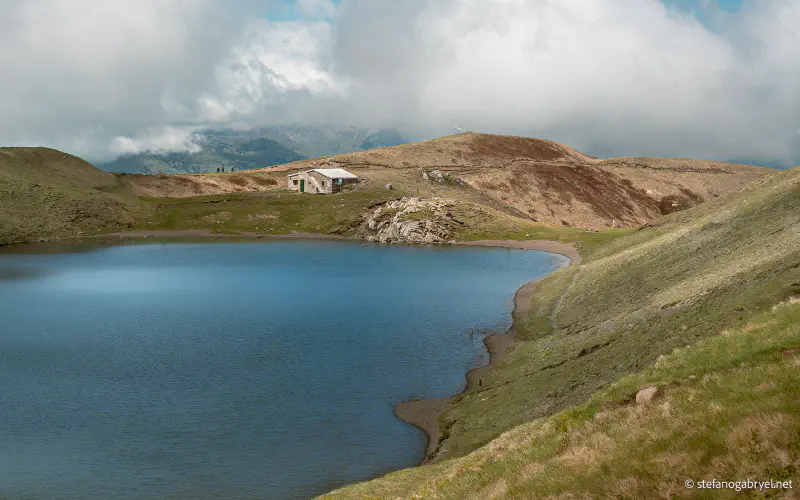
Book a private guided hike to Scaffaiolo Lake. 360° Apennine views & Rifugio visit. Expert tours from Lucca, Pistoia & Pisa. Reserve your trek!
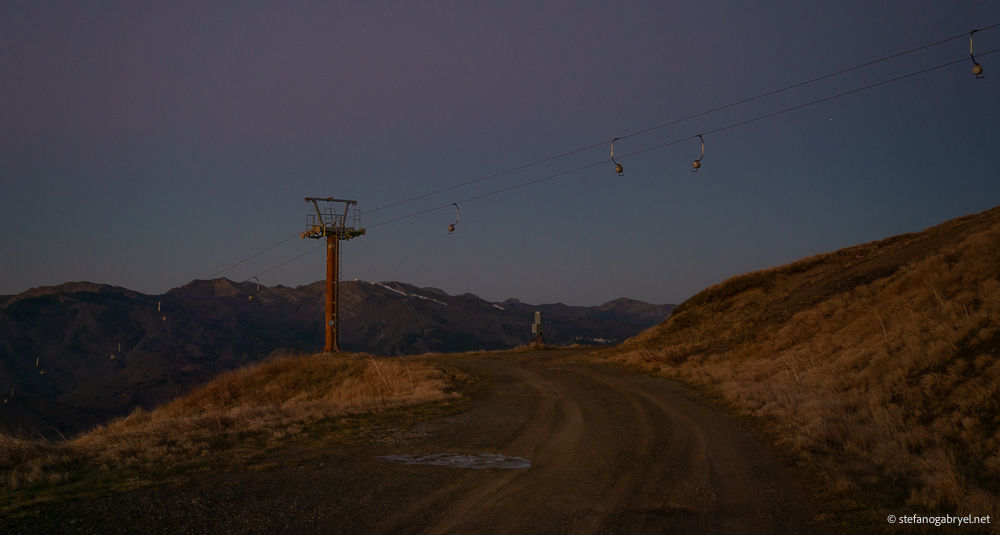
Some of the shots I have taken in lesser known locations
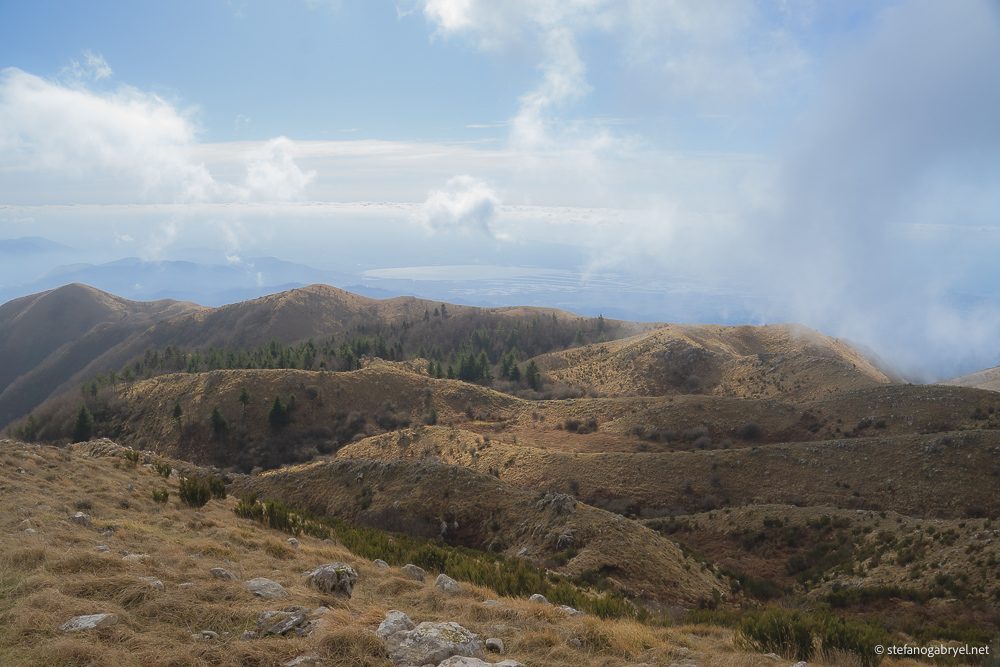
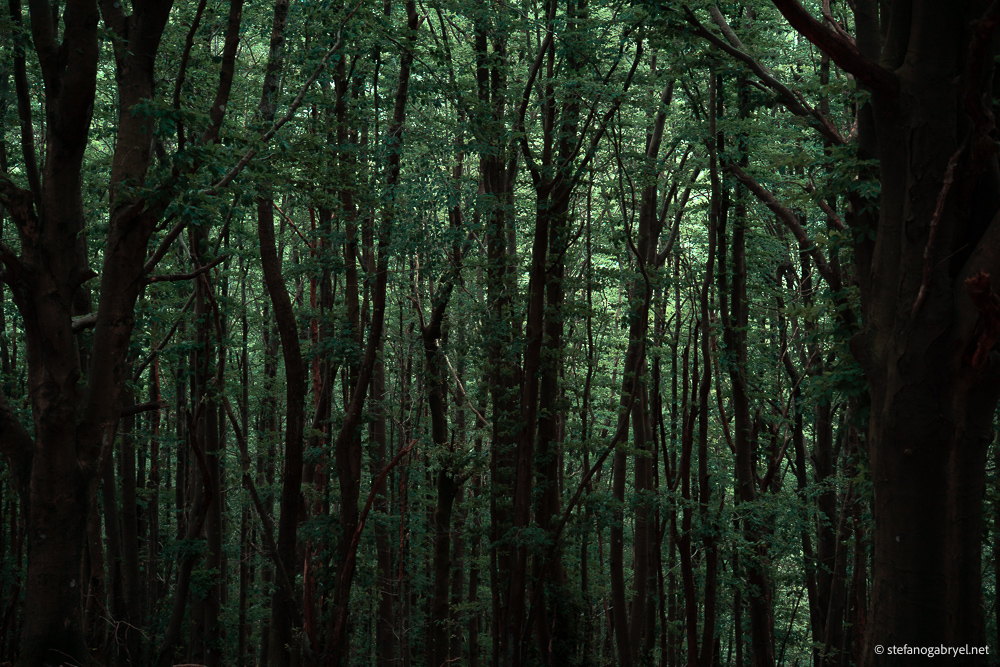
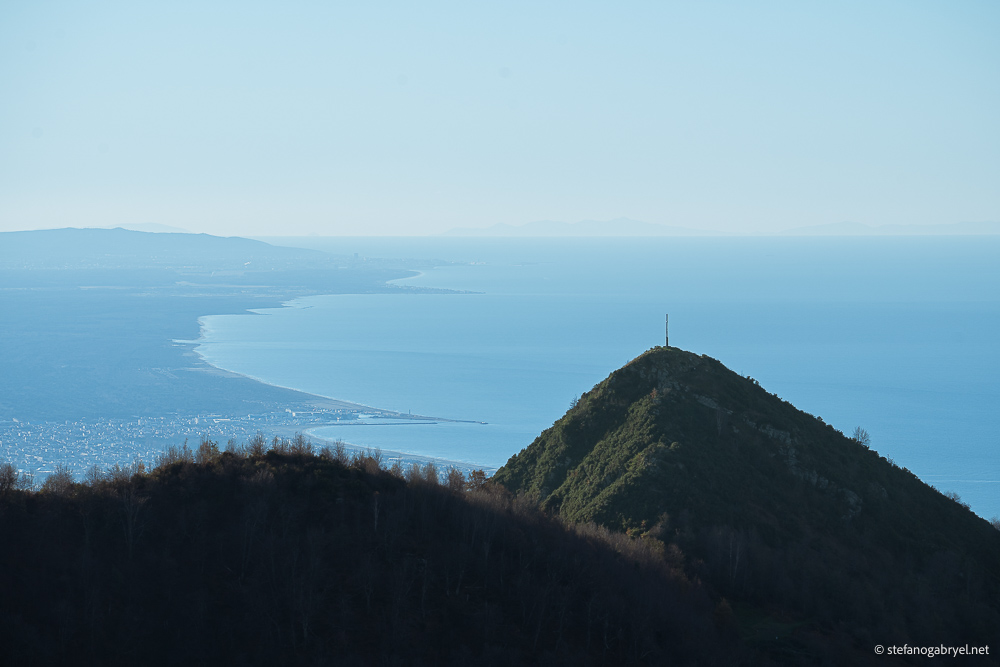
All gallery images are original photographs taken by me.
Who These Hikes Are For
My photography hikes welcome all skill levels, from beginners just learning to use their cameras manually to experienced photographers looking to improve their mountain landscape work.
The pace and technical instruction adjust to the group’s needs—beginners receive foundational guidance on exposure, composition, and camera settings, while advanced photographers might explore more nuanced topics like advanced composition, sophisticated use of filters, or strategies for creating cohesive bodies of work.
Physical fitness requirements vary by specific hike.
Lago Nero and Lago Scaffaiolo both require moderate fitness and comfort with several hours of mountain walking, though neither demands technical climbing or extreme endurance.
I can also design less physically demanding photography outings for those who want the instruction and location knowledge without the strenuous hiking.
The group sizes remain small—typically just a few participants—ensuring everyone receives individual attention and we maintain the flexibility to adapt plans based on conditions, light, and photographic opportunities as they emerge.
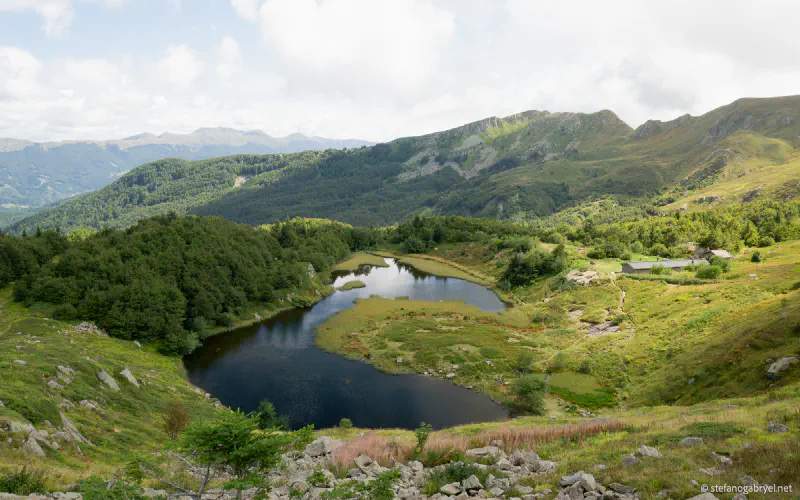
Book a private guided hike to Lago Nero. Professional trekking tours from Pistoia, Lucca & Florence. Discover Tuscany's glacial lakes. Reserve now!
Practical Information: What to Bring and Expect
For photography hikes, I recommend participants bring whatever camera equipment they’re comfortable carrying and using—whether that’s a smartphone, a compact camera, or a full professional setup.
As I described in my recent post about my own lightweight setup, the best camera for mountain photography is the one you’ll actually carry to the location.
Beyond camera gear, standard mountain hiking equipment applies: appropriate footwear, layered clothing, water, snacks, and sun protection.
I provide guidance on routes, timing, safety, and location-specific advice, while you focus on the photography.
Hikes typically last between three and eight hours depending on the specific destination and group pace, with significant time allocated for photography rather than just covering distance.
We start early to catch optimal light—mountain photography often means predawn departures to reach locations for sunrise, though I also offer afternoon and sunset-focused hikes for those who prefer different light or can’t manage early starts.
The Marmifera del Corchia: Walking the Marble Roads of the Apuan Alps
For photographers drawn to the industrial and the wild in equal measure, the Marmifera del Corchia offers something genuinely unlike any other hike in the region. This ancient unpaved mountain road — built to carry marble down from the quarries above — winds steeply through the heart of the Apuan Alps, with the white scars of active quarries cutting into the landscape above and dense forest falling away below. The visual contrasts here are extraordinary: raw stone against green, manmade geometry against wild terrain, industrial scale against mountain silence. All 420 metres of elevation gain are concentrated in the outward leg, making for a sustained climb that rewards you with increasingly dramatic views — and a descent at your own pace. Available on weekends only, it remains one of the least-visited and most photogenic routes in Tuscany’s mountains.
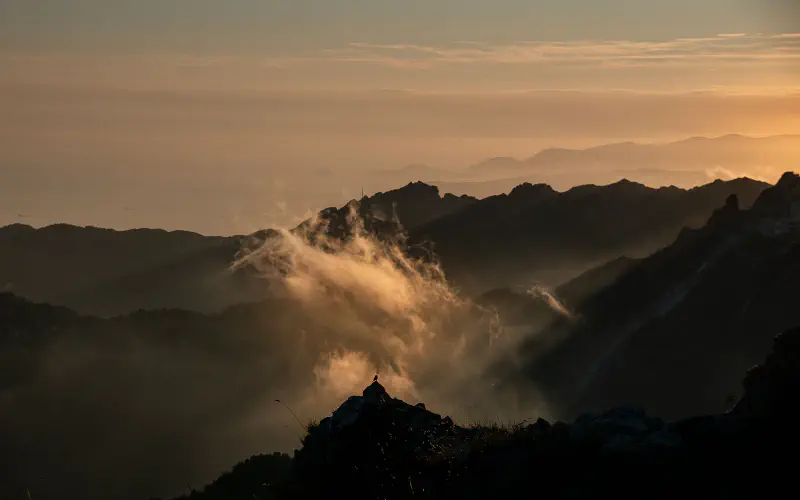
Hike a marble quarry road into the heart of the Apuan Alps, near Lucca, Pisa, Viareggio. A private guided adventure on the Marmifera del Corchia.
Getting Started: Join a Photography Hike
If you’re in Tuscany and wondering where to point your camera beyond the famous postcard views, the mountains are waiting.
The Appennines and Apuan Alps offer photographic diversity that surprises people—dramatic peaks, serene lakes, atmospheric forests, and constantly changing light that challenges and rewards photographers of all levels.
My guided photography hikes to locations like Lago Nero and Lago Scaffaiolo provide not just access to beautiful places, but the knowledge and instruction to photograph them effectively.
Whether you’re a beginner looking to improve your camera skills or an experienced photographer wanting to explore new locations with expert guidance, these mountains have something exceptional to offer.
The images you capture will remind you of Tuscany’s hidden alpine character, but the skills and understanding you develop will improve your photography wherever you shoot.
Book Your Photography Hike
Ready to explore Tuscany’s mountains with your camera? Join me to Lago Nero, Lago Scaffaiolo, or other stunning locations in the Appennines and Apuan Alps.

or head to the contact page
Explore Hidden Tuscany
Guided hiking experiences combining expert trail knowledge, professional photography, and wilderness mindfulness.
Latest posts
 5 March 2026
Salamandra Salamandra: Fire Salamander in Tuscany
5 March 2026
Salamandra Salamandra: Fire Salamander in Tuscany 5 March 2026
Pisa: Base for Exploring Tuscany's Hidden Nature
5 March 2026
Pisa: Base for Exploring Tuscany's Hidden Nature 5 March 2026
Montecatini Terme: Base for Exploring Tuscany's Nature
5 March 2026
Montecatini Terme: Base for Exploring Tuscany's Nature 4 March 2026
Galium Aparine: Cleavers in Tuscan Hedgerows
4 March 2026
Galium Aparine: Cleavers in Tuscan Hedgerows 3 March 2026
Umbilicus Rupestris: Wall Pennywort in Tuscany
3 March 2026
Umbilicus Rupestris: Wall Pennywort in Tuscany