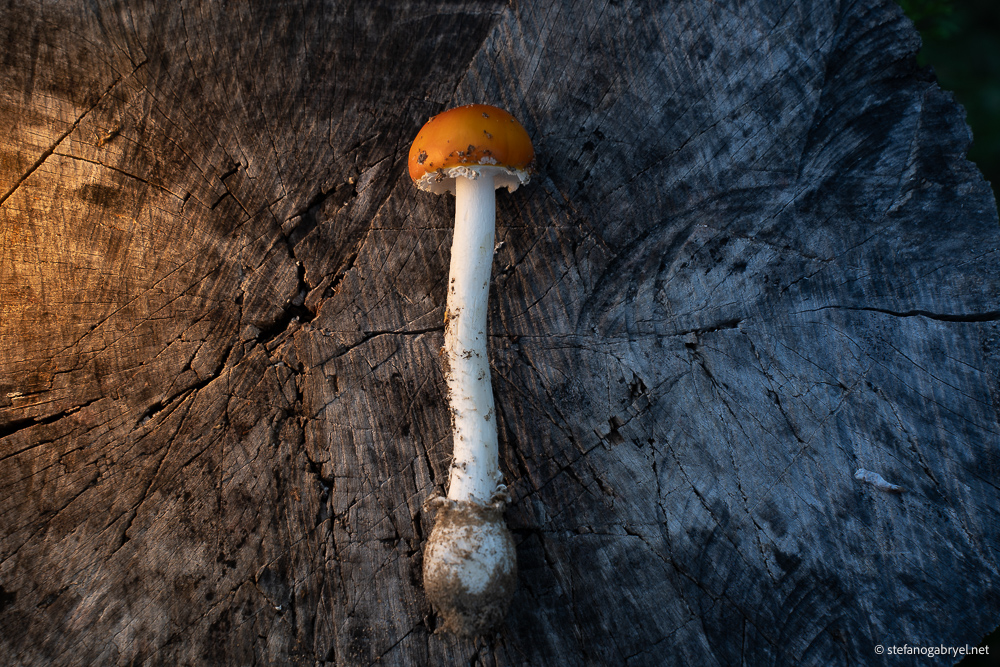
Every autumn, I receive emails from visitors planning trips to Tuscany with the same question: “Can I go mushroom hunting freely in the forests?”
The short answer is: not exactly.
While mushroom foraging is a cherished tradition in Italy, and Tuscany’s forests certainly offer abundant opportunities, there are regulations, fees, and—most importantly—safety considerations that anyone planning to forage here needs to understand.
Getting the rules wrong can result in fines. Getting the identification wrong can result in hospitalization.
Let me explain what you actually need to know before heading into Tuscan forests with a basket.
The Legal Framework: Permits and Fees
Mushroom hunting in Tuscany is regulated by regional law, and you cannot simply walk into the forest and start collecting without authorization.
The official regulations are detailed in the Tuscan regional documentation (available at Regione Toscana), but here’s what matters practically:
You need a permit to collect mushrooms in Tuscany.
There are different types of permits:
- Annual permits for residents and regular foragers
- Short-term permits (typically valid for specific periods) for visitors
- Free permits in some cases for residents of specific comuni
Fees apply, and the cost structure varies depending on whether you’re a Tuscan resident, an Italian citizen from another region, or a foreign visitor.
Additionally, there are quantity limits—typically a few kilograms per person per day—and protected species that cannot be collected at all.
Certain areas may have additional restrictions or seasonal closures.
Violations can result in substantial fines, and forest wardens do conduct checks, particularly in areas known for productive mushroom habitat.
The regulations exist for good reasons: to prevent overharvesting, to protect ecosystems, and to ensure sustainable foraging practices that allow mushroom populations to regenerate year after year.
Where to Obtain Permits
The practical question becomes: how do you actually get legal permission to forage?
Permits are typically available from local comuni (municipal offices) or the official Regione Toscana website.
For visitors planning a short stay, obtaining the correct permit can be logistically challenging.
Language barriers, bureaucratic processes, and the need to visit specific offices during limited hours can make this difficult to arrange spontaneously.
This is where working with a guide becomes valuable—not just for identification expertise, but for navigating the regulatory landscape.
Guides often have the necessary permits and authorization to take groups foraging legally.
The Bigger Safety Issue: Regional Species Variation
While getting a permit is important, there’s an even more critical consideration: knowing the local mushrooms.
This might sound obvious, but here’s what many foragers don’t realize: mushroom species distributions vary significantly by region, and what’s safe in one area might have deadly look-alikes in another.
I lived in Germany for nine years, and I heard a cautionary story there that perfectly illustrates this danger.
The “Sachsentod” – Saxon Death Mushroom
In Germany, there’s a mushroom known colloquially as the “Sachsentod”—literally, “Saxon death.”
This darkly humorous name refers to the Panther Cap (Amanita pantherina), a toxic mushroom that caused numerous poisonings among visitors from Saxony.
The story goes like this: In the former GDR era, people from the industrial centers of Saxony would vacation in Brandenburg and other northern German regions.
They’d go mushroom foraging, confident in their ability to identify the Blusher (Amanita rubescens)—an edible species they knew well from their home region.
The problem? The Panther Cap, which is much more common in Brandenburg than in Saxony, looks remarkably similar to the Blusher.
The differences are subtle:
- The Blusher’s flesh turns pinkish when cut or bruised; the Panther Cap’s does not
- The Blusher has a striated ring on the stem; the Panther Cap’s ring is smooth
- The Blusher has off-white wart remnants on the cap; the Panther Cap has pure white ones
If you’re familiar with the Blusher from one region and encounter what you think is the same mushroom elsewhere, you might not notice these differences.
While Panther Cap poisoning is rarely fatal, it causes severe gastrointestinal distress, hallucinations, confusion, and can require hospitalization.
The lesson: regional familiarity doesn’t transfer automatically to new territories.
Why This Matters in Tuscany
The Sachsentod story isn’t just a German curiosity—it’s a warning relevant to anyone foraging in unfamiliar territory.
Tuscany’s mycobiota overlaps with but isn’t identical to other Italian regions, much less other European countries.
Species you might recognize from field guides could have look-alikes here that you’ve never encountered.
Environmental conditions differ—soil chemistry, elevation, associated tree species—and these variations can affect mushroom appearance in subtle ways.
Examples of regional variation issues:
Amanita species (the genus containing both edible and deadly mushrooms) show significant variation across Italy. What you learned to identify in Piedmont might look slightly different in Tuscany.
Boletus species include both choice edibles and mildly toxic varieties. Some toxic boletes are more common in certain regions than others.
Cortinarius mushrooms, many of which are toxic or deadly, have hundreds of species with overlapping characteristics. Regional expertise is essential.
Even experienced foragers need to approach unfamiliar territory with caution.
The Compounding Factors
Beyond regional species variation, several other factors make mushroom identification challenging:
Environmental conditions affect appearance:
- Rainfall, drought, temperature, and soil conditions can alter a mushroom’s color, size, and texture
- Young versus mature specimens of the same species can look dramatically different
- Seasonal variation means autumn mushrooms might not match field guide photos taken in spring
Individual variation within species:
- Not every specimen of a given species looks exactly like the textbook example
- Color variations, scale patterns, and proportions can vary considerably
- Hybrid zones and species complexes add confusion
The consequences of misidentification:
- Some toxic mushrooms cause relatively mild gastrointestinal distress
- Others, like Amanita phalloides (Death Cap), can cause fatal liver failure
- The window between symptom onset and irreversible damage can be very short
This isn’t meant to discourage foraging—it’s meant to encourage appropriate caution.
My Recommendation for Visitors
If you’re visiting Tuscany and want to experience mushroom foraging, here’s my honest advice:
For casual visitors (1-2 week stay):
- Don’t attempt to forage independently unless you’re already an expert with experience identifying mushrooms across multiple European regions
- The permit requirements, combined with identification risks, make this impractical and potentially dangerous
- Instead, join a guided mycology hike where legal authorization and expert identification are provided
For serious mycologists:
- Obtain proper permits through official channels before your visit
- Bring comprehensive field guides specific to Italian mycology
- Consider taking a local mushroom identification course if staying longer term
- When in doubt, photograph and document rather than harvest
- Have specimens verified by local experts before consumption
For residents or long-term visitors:
- Invest time in learning Tuscan mushroom mycobiota specifically
- Take advantage of courses offered by regional mycological associations
- Build relationships with experienced local foragers
- Start with the easiest, safest species and expand knowledge gradually
- Obtain the appropriate annual permit
The Value of Guided Experience
When I lead mycology hikes through Tuscan forests, I’m not just showing people where to find mushrooms.
I’m providing:
- Legal authorization for the activity
- Expertise in regional species identification
- Context about which species are appropriate for different skill levels
- Safety protocols and verification procedures
- Understanding of seasonal patterns and habitat associations
Most importantly, I can explain why certain mushrooms that might seem safe are actually problematic.
The Sachsentod story resonates because it illustrates a universal truth: confidence without local knowledge is dangerous.
Those Saxon foragers weren’t reckless—they were experienced people who knew mushrooms well.
They simply didn’t know the specific mushrooms of Brandenburg, and that gap in knowledge led to repeated poisonings.
The same gap exists for any visitor to Tuscany, regardless of foraging experience elsewhere.
The Honest Reality
Mushroom hunting in Tuscany is possible, it’s legal (with proper permits), and it can be a wonderful experience.
But it’s not “free” in multiple senses:
- Legally, permits and fees are required
- Practically, local expertise is essential
- Safety-wise, the consequences of mistakes can be severe
The forests here are beautiful, the mushroom diversity is remarkable, and the tradition of foraging is deeply embedded in local culture.
Approaching this activity with appropriate respect—for the regulations, for the complexity of identification, and for the potential risks—is what separates memorable experiences from dangerous mistakes.
If the Sachsentod story teaches us anything, it’s that even experienced foragers can make fatal errors when operating outside their familiar territory.
Don’t let confidence in mushrooms from your home region translate into complacency in Tuscany’s forests.
When in doubt, leave it in the ground, photograph it, and ask an expert.
Are you a beginner?
If you’re just beginning to explore mushroom foraging, Geoff Dann’s Edible Mushrooms is the field guide I recommend to all my clients. It’s an excellent starting point for learning safe identification. Read my full review here.
Want to learn in the field? Join me for a hands-on mushroom hunting experience ⬇️ ⬇️ ⬇️ ⬇️
Ready to move from photos to field identification?
Experience these fascinating fungi firsthand on a guided autumn hike through Tuscan woodlands. Learn professional identification techniques, understand ecosystem roles, and capture your own stunning mushroom photography.
Attention!
While the content of this blog post is aimed at providing you with information as accurate as possible, it should be treated as what it is: simply a blog post on the internet.
Mushroom identification should only be performed by experts, as a mistake can lead to dire consequences. Attempting to identify a mushroom on your own, without prior experience, based solely on the content of this blog post is strongly discouraged.
Explore Hidden Tuscany
Guided hiking experiences combining expert trail knowledge, professional photography, and wilderness mindfulness.
Latest posts
 4 March 2026
Galium Aparine: Cleavers in Tuscan Hedgerows
4 March 2026
Galium Aparine: Cleavers in Tuscan Hedgerows 3 March 2026
Umbilicus Rupestris: Wall Pennywort in Tuscany
3 March 2026
Umbilicus Rupestris: Wall Pennywort in Tuscany 3 March 2026
Laurus Nobilis: Bay Laurel in Tuscan Landscapes
3 March 2026
Laurus Nobilis: Bay Laurel in Tuscan Landscapes 2 March 2026
Guided Tours for Exploring Marble Quarries in Apuan Alps
2 March 2026
Guided Tours for Exploring Marble Quarries in Apuan Alps 26 February 2026
Photographing Nottolini Aqueduct: Light & Geometry
26 February 2026
Photographing Nottolini Aqueduct: Light & Geometry