Most tourists visiting the Apuan Alps see marble quarries from a distance—white scars on mountainsides photographed from coastal overlooks or glimpsed from the autostrada. Beautiful, dramatic, but fundamentally abstract.
What they miss is the experience of actually entering marble country. Walking the roads carved into mountains by centuries of quarrying. Standing beneath walls of pure white stone that rise 100 meters overhead. Understanding what it means when an entire landscape has been shaped by the extraction of a single material.
This isn’t about factory tours or museum exhibits. This is about accessing working industrial landscapes that most people will never see, guided by someone who knows which roads are safe on which days, where the views are extraordinary, and why this place matters beyond the economics of stone.
Why the Apuan Alps Are Different
The Apuan Alps produce some of the world’s finest marble—the same stone Michelangelo chose for his David, the same material that built the Pantheon, Trajan’s Column, and countless Renaissance masterpieces. This isn’t decorative stone. This is the marble that defined Western sculpture and architecture for two millennia.
But what makes the region genuinely unique is how visible the industry remains. These aren’t historical ruins or preserved heritage sites. These are active quarries, working roads, operating infrastructure. On weekdays, massive trucks haul multi-ton blocks down mountain roads. Quarrymen work faces of stone their grandfathers worked. The landscape changes month by month as new sections open and exhausted ones close.
You can’t just wander into this landscape casually. Private property, active industrial sites, truck traffic, unstable terrain—all create genuine hazards for visitors who don’t know what they’re doing. This is why guided access matters.
I offer two distinct experiences for exploring marble country, each revealing a different dimension of how humans and landscape intersect in the Apuan Alps.
Marmifera del Corchia: Walking the Marble Road
The Marmifera del Corchia is a strada bianca—an unpaved mountain road—carved into the flanks of the Apuan Alps to transport marble from the Corchia quarries. It’s one of those rare trails that tells a complete story with every step.
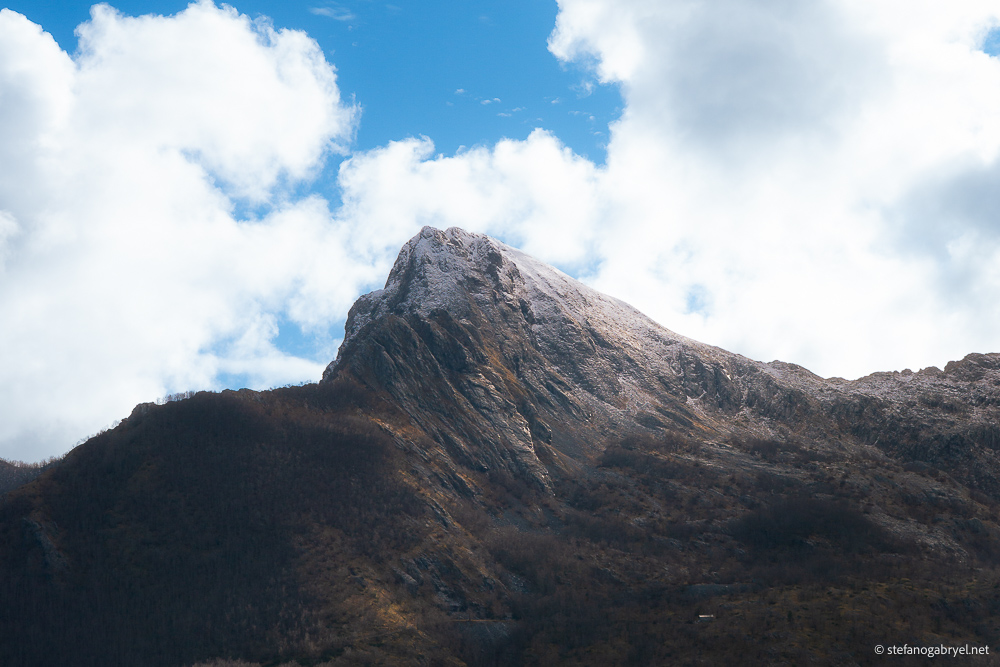
The road cuts through dramatic Apuan scenery—mountains that look nothing like the gentle Tuscan hills of postcards. These are real peaks, with exposed rock faces, deep valleys, and the particular quality of light that comes from white marble reflecting sun in ways ordinary stone doesn’t.
As you climb, the views open progressively across the surrounding peaks and valleys below. The marble itself becomes omnipresent—not just beneath your feet but in the quarry faces you pass, in the dust coating roadside vegetation, in the white scree slopes cascading down mountainsides.
The silence matters. Because this hike is only available on weekends (Saturday and Sunday), when marble trucks don’t operate, you experience the landscape without the constant rumble of industrial machinery. It transforms from working road to mountain sanctuary. The contrast between weekday industry and weekend quietude makes you understand both what this place is (an active industrial zone) and what it becomes when humans step back (genuine Alpine wilderness).
We walk alongside—but cannot enter—the quarries themselves, as they’re private property. But seeing them from the road, understanding the scale of extraction, observing how the landscape has been reshaped by centuries of work: this creates context that transforms photographs from pretty pictures into documents of human ambition intersecting with geology.
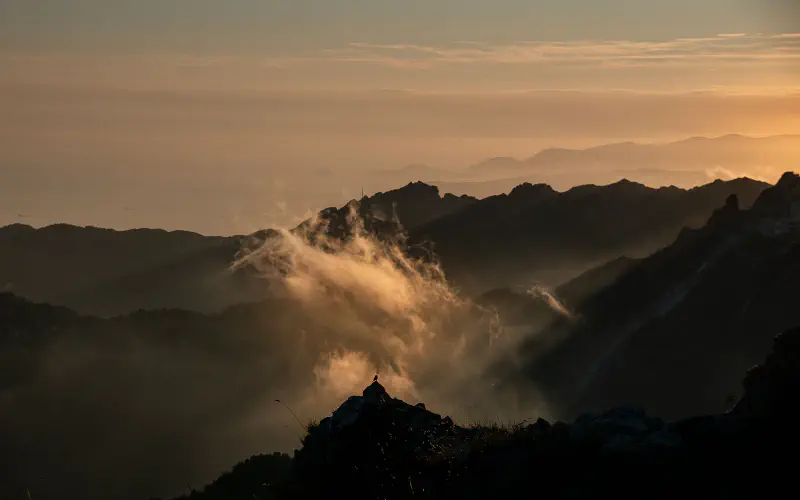
Hike a marble quarry road into the heart of the Apuan Alps, near Lucca, Pisa, Viareggio. A private guided adventure on the Marmifera del Corchia.
David di Kobra at Colonnata: Where Street Art Meets Marble
If Marmifera represents marble as industry and landscape, the David mural at Colonnata represents something else entirely: contemporary art’s conversation with centuries of stone-working tradition.
In June 2017, Brazilian street artist Eduardo Kobra—internationally famous for his enormous, colorful murals in cities worldwide—climbed into the Apuan Alps above the village of Colonnata. On a vertical wall of white marble in the Cava Cima di Gioia quarry, he painted a 10-12 meter high reinterpretation of Michelangelo’s David, rendered in his signature kaleidoscopic, harlequin color palette.
The symbolism is deliberate: David has “returned home.” The marble that Michelangelo carved into his masterpiece came from these mountains. Kobra’s contemporary reimagining, painted directly onto the source material, creates a dialogue across five centuries between Renaissance sculpture and 21st-century street art.
But the real power of this experience isn’t the mural itself—it’s the journey to reach it and what you see when you arrive.
When you arrive at the mural’s location, the view extends from the quarries below across the entire Versilia coast—on clear days stretching from Cinque Terre to Livorno, with the Tyrrhenian Sea glittering beneath. You’re standing at the intersection of three powerful forces: the natural geology of the Apuan Alps, the industrial transformation wrought by centuries of quarrying, and contemporary artistic intervention commenting on that entire history.
The contrast is extraordinary. The working quarry operates directly below (visible and audible when active). The pure white marble walls reflect light with an intensity that makes photography challenging and spectacular. The colorful mural disrupts the monochrome landscape. And behind you, the mountains rise toward 2,000-meter peaks.
Why These Experiences Need a Guide
You might wonder: “Can’t I just follow a trail on my own? Why pay for a guide?”
Fair question. Here’s the honest answer.
For safety and access: The Apuan marble region is an active industrial zone with complex terrain, private property boundaries, and genuine hazards. A guide knows which roads are safe when, which quarries allow nearby approach, and how to navigate an environment that isn’t designed for tourism.
For understanding: The difference between “that’s a big quarry” and understanding the history of marble extraction in the Apuan Alps, the economics that drive current operations, the tension between preservation and industry, the relationship between Carrara’s identity and this landscape—that knowledge transforms what you’re seeing. I provide context that turns sightseeing into genuine comprehension.
For photography: Both locations offer spectacular compositions, but knowing when light works best, which angles reveal the most interesting relationships between elements, where to position yourself for the shot nobody else gets—this is expertise you’re paying for. I’m not just a guide; I’m a professional photographer who has documented this landscape extensively.
For exclusive perspective: Most tourists who see marble quarries do so from distant viewpoints or structured industrial tours. What I offer is something different: genuine immersion in the working landscape, guided by someone who lives here and understands how this place functions beyond the tourist narrative.
The Marble Country Experience
These two hikes represent opposite approaches to the same subject.
Marmifera is about the industrial sublime—the scale and ambition of humans carving roads into mountains to extract stone. It’s about walking where massive trucks normally operate, experiencing the geography that marble workers navigate daily. It rewards you with mountain scenery and the particular satisfaction of sustained physical effort.
Kobra’s David is about art, history, and spectacle—contemporary intervention into an ancient industry, viewed from a position that offers one of the most remarkable panoramas in all of Tuscany. It rewards you with that perfect intersection of culture, nature, and human transformation of landscape that makes certain places unforgettable.
Planning Your Visit
Both experiences work well as day trips from coastal towns (Viareggio, Forte dei Marmi), from Lucca or Pisa, or as additions to longer Tuscan itineraries. They can be combined in a single day if you have the fitness and stamina, though I generally recommend dedicating separate days to each for maximum enjoyment.
Best seasons:
- Spring (April-May): Moderate temperatures, wildflowers, clear air
- Autumn (September-October): Cooler climbing conditions, dramatic light, fewer tourists
- Summer possible but hot on exposed sections
- Winter (November-March): Weather-dependent, beautiful when clear, but cold at altitude
The Marble Mountains Wait
Right now, as you read this, marble trucks are rumbling up mountain roads. Quarrymen are working faces of stone that Michelangelo might have examined five centuries ago. Kobra’s colorful David stares across the Versilia coast toward the sea from which Roman ships once carried Apuan marble to build the Pantheon.
These landscapes exist whether you experience them or not.
What changes is whether you bring knowledge and context to the experience, or whether you see them as abstract scenery without understanding what you’re observing.
Most visitors to Tuscany never learn that these places exist. They leave with photographs of cypress trees and hilltop towns—beautiful images that look exactly like everyone else’s beautiful images.
You now know something different is possible.
The question is whether you’re curious enough to follow that knowledge into the mountains, to walk roads carved by human ambition, to stand beneath walls of pure white stone, to see how centuries of extracting a single material have created one of the most extraordinary industrial landscapes in the world.
Explore the Apuan Alps Marble Quarries
Ready to experience marble country with a guide who knows these mountains intimately?

or head to the contact page
Explore Hidden Tuscany
Guided hiking experiences combining expert trail knowledge, professional photography, and wilderness mindfulness.