
I'm Stefano, and I guide people through the Tuscany most tourists never see. Want to hike in Tuscany with me?
Last updated 20 October 2026
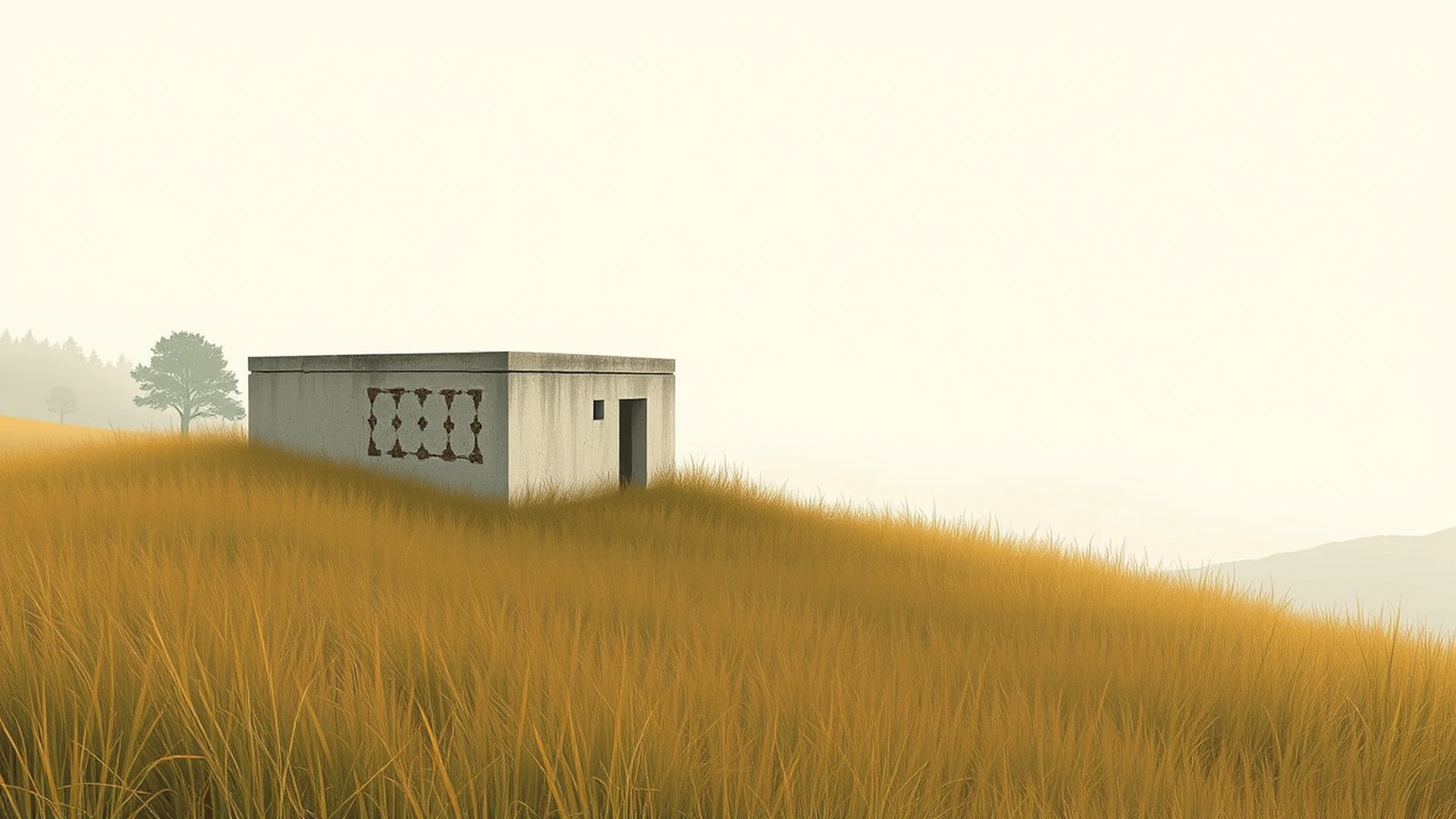
Most people drive up to Abetone for snow in winter and the lakes in summer. Almost none of them notice the concrete in the trees.
These quiet Apennine ridges were a 1944 front line, and the Gothic Line Museum near Abetone holds the proof.
Planning a day up around Abetone? A local’s Expert Brief reads your dates and fitness, then points you to the right trailhead and season.
What the Gothic Line was
The Gothic Line was the last major German defensive line in Italy. It ran from coast to coast across the Apennines through 1944 and into 1945. Bunkers, gun emplacements and trenches were cut into the ridges and hidden in the woods.
The mountains above Cutigliano and Abetone sat squarely on that line. Some of the hardest fighting of the Italian campaign took place on this high, cold ground. When the snow cleared, soldiers were fighting at altitudes most visitors only reach on a summer walk.
The museum at Pianosinatico
The Gothic Line Museum stands in Pianosinatico, a village beside Abetone Cutigliano. It fills two floors with what local people recovered from these mountains after the war.
Inside you will find:
- Weapons, documents, personal effects and period uniforms, shown beside reconstructed outposts.
- An American room dedicated to the 10th Mountain Division, a corps trained to fight in snow and on steep ground.
- A reconstructed field headquarters and infirmary, built to show how the Allies lived up here.
The history does not end at the door. Two waymarked walks leave from near the museum. One is a short loop of 1.5 km; the other runs about 8 km. Both pass the remains of bunkers and emplacements, and two bunkers have been rebuilt so you can step inside.
It is a small museum, so an hour is enough. Opening times change with the season, so check them before you drive up.
The lakes just beyond
History is the hook. The mountains are the reason to stay.
The museum sits in the same high country where I guide two of the finest walks in the Tuscan Apennines. Both end at a mountain lake, and both lakes were up there long before any army marched through.
Lago Scaffaiolo lies at 1,775 metres, one of the highest natural basins in the range. The path follows the open crest, with Tuscany on one side and Emilia-Romagna on the other. The historic Rifugio Duca degli Abruzzi stands right at the water’s edge.

Lago Scaffaiolo
- About 6 hours
- €240 per group
- Shorter or longer day on request
Medium · 9.5 km (5.9 mi) · 370 m (1,214 ft) ascent
View this hikeLago Nero is quieter and more hidden, a dark tarn beneath the ridge at 1,730 metres. The route climbs through old beech woods rich in flora and fungi before the trees open onto the water. In the soft light of morning or late afternoon, it is one of the best places I know for still, reflective photographs.

Lago Nero
- About 5 hours
- €240 per group
- Longer day on request
Medium · 8 km (5 mi) · 450 m (1,476 ft) ascent
View this hikeWhy this corner is worth a day
I guide these ridges through summer and into autumn. There is something particular about walking ground that was fought over, then finding it silent and full of wildflowers.
A morning in the museum changes how the afternoon feels. The bunkers among the beeches stop looking like ruins. They become a story you can read straight from the landscape, one ridge at a time.
Most visitors to Tuscany never learn the mountains carry this history at all. They picture the hills, the vineyards, the art cities around Florence. Up here the past sits closer to the surface. A village museum and a few concrete shells in the woods keep it.
Abetone itself makes a fine base for all of it. My guide to outdoor activities around Pistoia covers the wider area. To place these peaks in context, see Tuscany’s mountain ranges.
Walk these ridges with a local guide
Curious about a day that pairs the Gothic Line with a high mountain lake? Get in touch and I will shape it around your dates and pace.