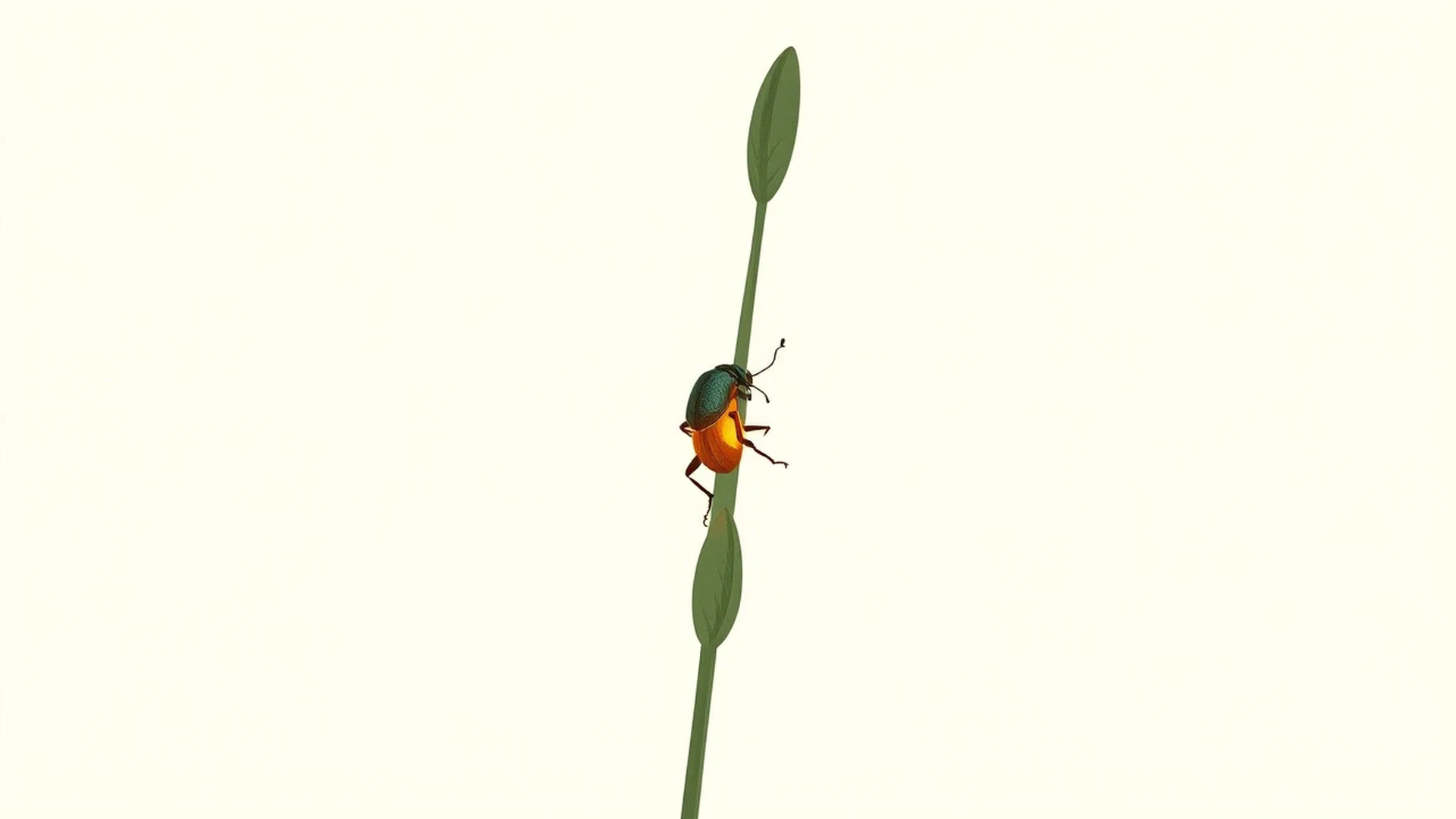
Stand at the edge of a Tuscan field on a warm night in June. Wait for the last light to drain from the sky. Then watch the dark hedgerow in front of you.
One spark. Then another. Within minutes the whole field is rising with cold green light, hundreds of small lamps drifting up from the grass.
Fireflies turn the Tuscan countryside into something close to magic, but only for a few weeks, and only where the night is still properly dark.
Hoping to catch Tuscany’s fireflies? A local’s Expert Brief times your trip to the season and the dark.
A Few Weeks of Living Light
Fireflies are not flies at all. They are beetles, and in Italy people call them lucciole. The light is real, cold light, made by a chemical reaction in the lower abdomen with almost no wasted heat.
The glow is a courtship signal. Males fly and flash, females answer, and each species keeps its own rhythm. The classic flying firefly here is Luciola italica. The wingless females of the glow-worm, Lampyris noctiluca, glow steadily from the ground instead.
You do not need to know the species to be moved by it. You only need to be in the right field on the right night.
When to See Fireflies in Tuscany
The season is short. In most years the display runs from roughly 25 May to around 10 July, with the best nights clustered in the middle of June.
Within that window, the magic depends on the night itself:
- After full dark. The show starts once the sky is genuinely black, usually the hour after dusk.
- Warm and still. Mild, humid, windless evenings bring the strongest displays.
- Dark moon. A bright full moon washes the glow out. The nights around a new moon are best.
If you are timing a wider trip, fireflies slot into the Tuscan nature calendar between the spring blooms and high summer.
I never promise a specific night. Fireflies answer to weather, temperature, and the moon, not to a calendar. The honest way to plan is to watch the season and choose the evening.
Where to See Them
The single rule is darkness. Fireflies vanish where artificial light spills across the fields, so the towns and the roadsides are the worst places to look. The countryside, away from streetlights, is where they gather.
Good ground tends to share a few features: unmown grass, old hedgerows, the edge of a wood, a vineyard, or a quiet stream nearby.
A few areas I return to:
- The Lucca plain and the countryside around the Nottolini Aqueduct. Long dark stretches of field and tree line, easy to reach yet genuinely unlit.
- The hills around Florence and Fiesole. Step a few minutes off the lit lanes and the olive terraces fill with light.
- The Chianti backroads. Vineyard and woodland edges, far from any town glow.
None of this comes with a guarantee. A cold snap or a full moon can quiet a field that glowed the week before. That is part of why it stays special.
Around Lucca, the aqueduct walk is one of my favourite day trips from the city, but during firefly season you can simply ask me to run it after dark instead. The same route becomes a slow night walk, timed for the glow.
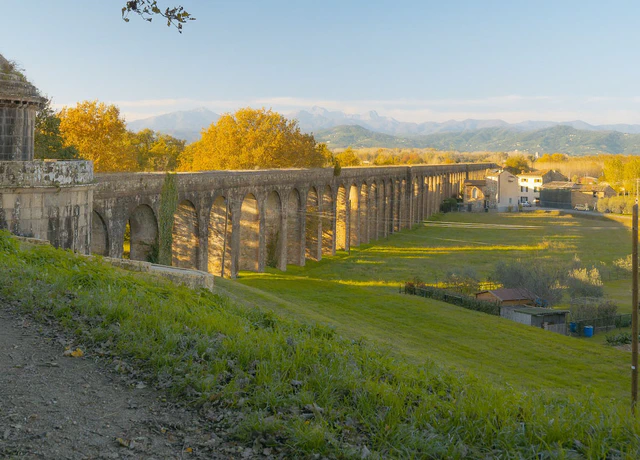
Nottolini Aqueduct Private Tour: Neoclassical Engineering & Sacred Springs
No car required: Walk the 400 arches of Nottolini Aqueduct from Lucca. Guided tour accessible by train. Discover ‘Parole d’Oro’. …
View this hikeHow to Watch Without Spoiling It
Fireflies are fragile, and they are in decline across Europe. Light pollution and pesticides have erased them from places where they were once ordinary. A little care keeps the experience alive for the next person, and the next season.
- Kill the white light. A phone screen or a head torch ends the show for everyone nearby. If you need light to walk, use a dim red one.
- Let your eyes adjust. Give yourself fifteen minutes in the dark before you judge a field.
- Move slowly and quietly. Stand at the edge rather than wading in.
- Look, don’t catch. Leave them to their short, busy season.
Photographing Fireflies
This is a hard subject, and a rewarding one. A phone will not manage it, but a basic setup will.
- Use a tripod and a long exposure, then stack several frames to build up the trails of light.
- Set a high ISO and the widest aperture your lens allows.
- Never use flash. It blinds your subject and flattens the scene.
- Choose the darkest site you can reach, and frame a tree line or a path against the sky.
If photography is your goal, the planning matters more than the gear. The right field on a moonless June night is the whole game.
A Fragile Kind of Wonder
There is a reason fireflies stay with people who grew up with them. They belong to a slower, darker countryside that is quietly disappearing under our lights.
For a few weeks each summer, Tuscany still has fields that fill with cold green fire after dark. You stand in the warm night, the sky black above the hills, and watch a spectacle that asks nothing of you but stillness.
This is the side of Tuscany I most like to share. Not the famous view in daylight, but the quiet field at the right hour, found on purpose. The same instinct rewards another fleeting seasonal sight, the lotus bloom near Pisa and Lucca, a few weeks later in the year.
See the Fireflies on a Private Evening Walk
Want to stand in a dark Tuscan field while it fills with light? During firefly season, roughly late May to early July, I run quiet evening walks timed for the glow and the moon. Message me to plan a night out under the right sky. Not sure how to time the rest of your trip? The Expert Brief sorts the when and where: €65, independent advice, no commissions.