Almost every American visitor asks me the same quiet question before their trip.
Do you need a car in Tuscany? And is driving here as frightening as it looks online? The fear is real. Narrow lanes, blind curves, and local drivers who know every bend. I understand it completely. So here is the honest version, without the marketing gloss.
Driving in Tuscany is manageable for any careful, average driver. And a car is the one thing that opens up the real region.
Still deciding how to get around Tuscany? A local’s Expert Brief sorts the practical calls.
The truth about the roads
Yes, rural Tuscan roads are narrower and more winding than a US interstate. That is simply true.
The main state roads (marked SS) and provincial roads (marked SP) follow the shape of the hills. They curve. They rise and fall. But they are paved, well-maintained, and driven at low speeds. There are no surprise gravel tracks where you expect asphalt.
You will not be racing anyone. Local traffic moves at a calm, human pace. An attentive driver comfortable on a country lane back home will be comfortable here within an hour. The reputation is worse than the reality.
The warnings that actually matter
Most driving fears in Tuscany are misplaced. The things that genuinely trip up visitors are different, and easy to prepare for.
- ZTL zones. Historic centers have camera-enforced limited-traffic areas (Zona a Traffico Limitato). Drive into one by accident and a fine arrives months later. The rule is simple. Park outside the walls and walk in. Every town has parking at the edge.
- Automatic vs manual. Most Italian rental cars are manual. Want an automatic? Book it early, weeks ahead. They sell out, especially in spring and autumn.
- Roundabouts. They are everywhere, and they replace most traffic lights. Traffic already in the circle has priority. Yield, enter, and exit calmly.
- Autostrada tolls. The main motorways are toll roads. Take the ticket on entry and pay on exit by card. Avoid the yellow Telepass-only lanes.
None of these require skill. They require knowing they exist. Now you do.
Where a car earns its keep
Here is the honest counterpoint, and it matters if nature is part of your plan.
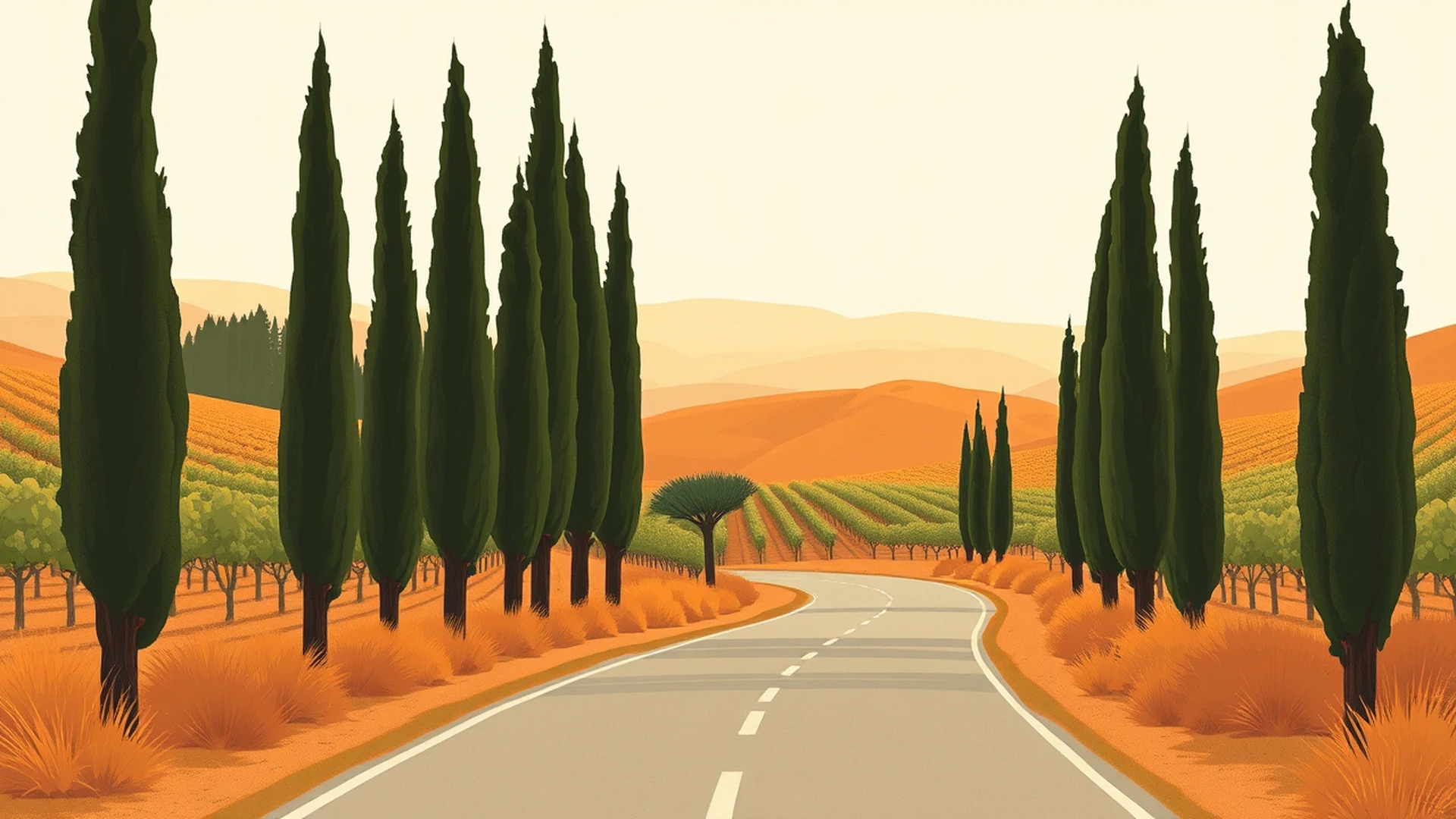
The Tuscany people fall in love with is often at the end of a small road. Remote trailheads. Family agriturismi down a cypress lane. Hill villages with a hundred residents. The marble country of the Apuan Alps. The deep forests of the Apennines. Realistically, these are reachable only by car.
A bus will not take you to a quiet trailhead at eight in the morning. This is the real trade-off. A car is awkward in the cities and essential in the countryside. If your dream is standing alone in a chestnut forest, you will want the keys.
The train alternative, if you truly won’t drive
If driving is genuinely off the table, you have a very good backup. Italy’s Trenitalia regional network is cheap, civilised, and connects the towns beautifully.
For town-to-town travel, it often beats a car. No parking, no ZTL, no stress. And you can still hike.
No car in Tuscany? Plenty of my hikes work perfectly without one. Browse the train-accessible hikes.
I have written the specifics elsewhere, so I won’t repeat them here. See my guide to car-free hikes near Lucca and Pisa train stations. For the wider picture, browse my day trips from Lucca by train or car.
One taste, so you can picture it. From Lucca station, it is a five-minute walk to the Nottolini Aqueduct path. The trail is flat and easy. It follows a three-kilometre run of arches. A Duchess built them in 1822 to carry clean spring water into the city.
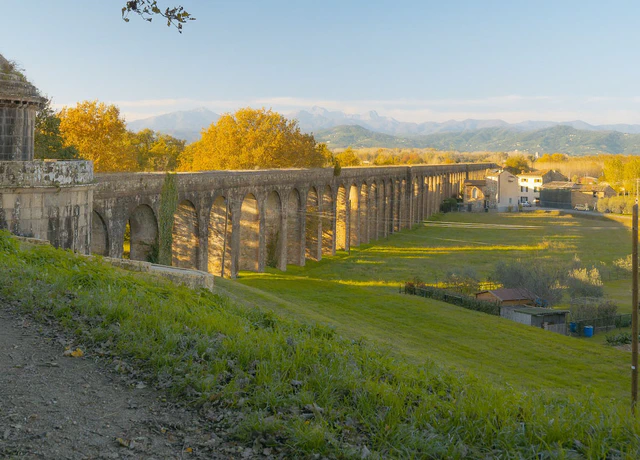
Nottolini Aqueduct Private Tour: Neoclassical Engineering & Sacred Springs
No car required: Walk the 400 arches of Nottolini Aqueduct from Lucca. Guided tour accessible by train. Discover ‘Parole d’Oro’. …
View this hikeDeciding before you arrive
After years of guiding independent travellers, I can tell you the car question is rarely simple. It depends on where you base yourself. It depends on which days you want countryside, and which days you want cities.
Some trips need a car for three days and none for the rest. Some are better car-free entirely. Getting that structure right, before you book flights and hotels, saves real money and stress.
For a wider look at the region first, my hiking in Tuscany hub is a good place to wander. The right answer, though, is personal. That is exactly what I help people resolve before they leave home.
Not Sure Whether to Rent a Car?
Car or train, where to base, which days need wheels: this is exactly what my €65 Expert Brief resolves. You get a 45-minute call plus a written plan, built around your actual trip. Book a consultation and travel with the decision already made.