Last updated 9 June 2026
Before a hike, clients often ask the same question. Which animals in Tuscany are dangerous?
They expect a list of wild predators. The honest answer surprises them.
The wildlife here is not the problem. A domestic dog is.
I’ll explain that twist below. First, let me work through the animals people actually worry about.
Wild Boar: Common, Loud, Harmless
Wild boar live across the whole region. You will see their rooted-up ground on almost any hike.
You may hear them crashing through undergrowth. You may glimpse a dark shape moving fast.
Then they run. That is the pattern, almost without exception.
A boar only becomes a risk if cornered. A sow with piglets may stand her ground.
Both situations are rare and easy to avoid. Give them space and they leave.
I’ve written the full story in my guide to wild boar in Tuscany.
Wolves: Back, But Not a Threat
Wolves have returned to the Tuscan Apennines. This is good news for the ecosystem.
It is not bad news for you. Wolves pose essentially no risk to people.
They are shy, wary, and active mostly at night. You will almost certainly never see one.
I cover the science and the encounter advice in my guide to wolves in Tuscany.
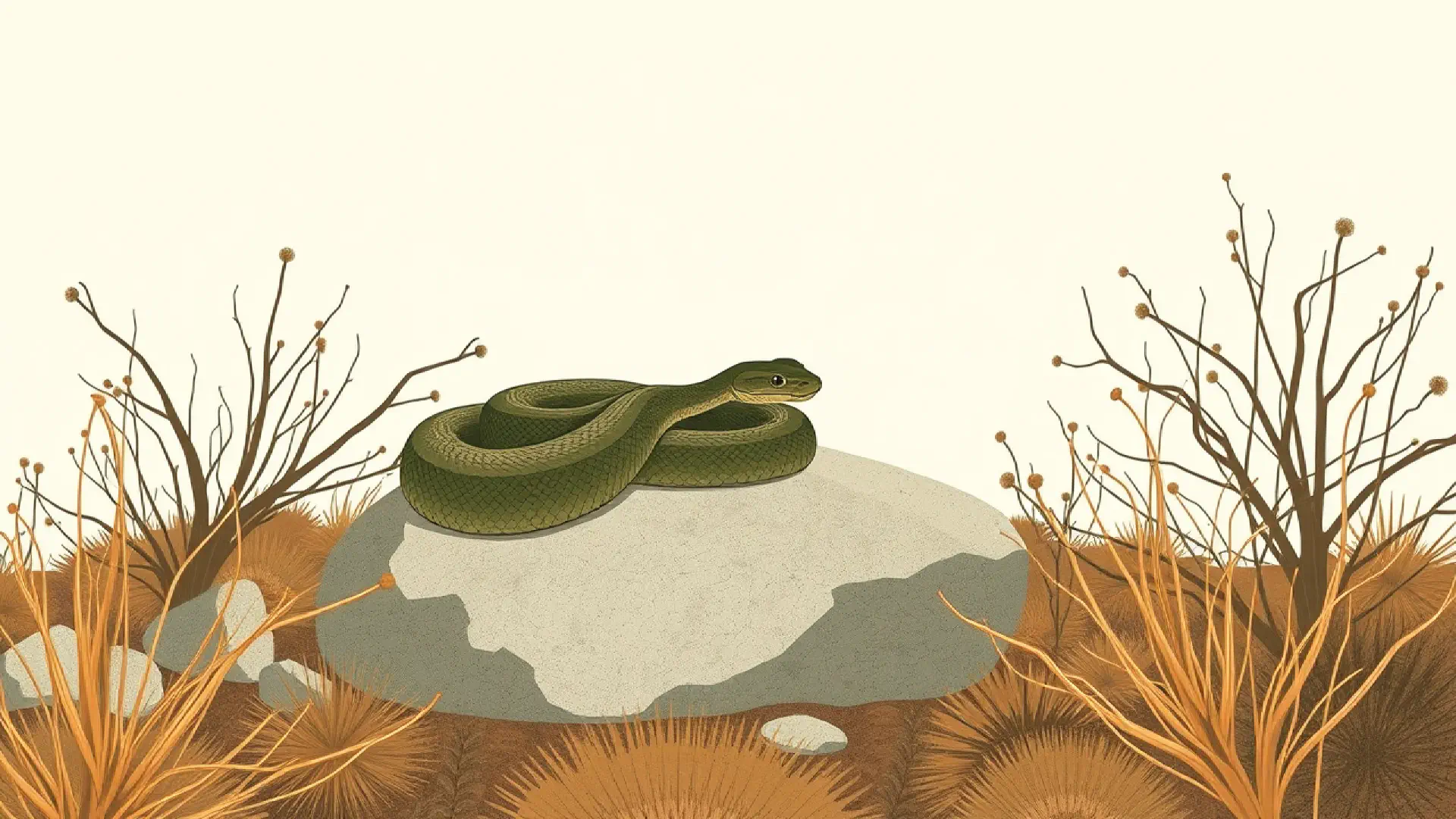
Vipers: The Only Venomous Snake
Tuscany has one venomous snake. It is the asp viper (Vipera aspis).
It is shy and defensive. Bites are rare and almost never serious for a healthy adult.
The viper flees unless trodden on or cornered. It does not hunt you.
The risk comes from where you put your hands and feet. Vipers bask on warm rocks.
A few habits remove most of the danger:
- Watch your hands on warm rocks and stone walls.
- Watch your feet on sunny pathsides and scree.
- Wear proper boots, not sandals.
- If bitten, stay calm and seek medical help promptly.
Panic raises your heart rate and spreads venom faster. Calm matters.
I cover identification, habitat, and first aid in full in my guide to snakes in Tuscany.
Insects: The Real Nuisances
The creatures most likely to affect your hike are small. They are easy to overlook.
Ticks are the genuine health concern. They live in long grass and low vegetation.
Check yourself thoroughly after walking through grass. Ticks can transmit Lyme disease.
This is the one wildlife risk I take seriously on every single outing.
Pine processionary caterpillars are the other one. Their species is Thaumetopoea pityocampa.
They march nose-to-tail in long lines in late winter and spring. Their hairs are urticating.
They are especially dangerous to dogs. Never let anyone touch a procession.
Hornets and wasps are also worth respect. They only attack when you disturb a nest.
The Twist: The Most Dangerous Animal Is the Dog
Here is the point I want you to remember. The most dangerous animal for hikers in Tuscany is the dog.
Every wild animal here fears humans. We are the most dangerous predator on the planet.
A viper would rather flee than bite. A boar runs. A wolf vanishes.
A livestock-guardian dog does none of this. It does not fear you, and it will not flee.
The white Maremma sheepdog (pastore maremmano) guards flocks across the region. It works alone with the herd.
Its entire job is defence. Get too close to the flock and it will charge. It will bite.
This is not aggression. It is doing exactly what it was bred to do.
Handle it the right way and there is no problem:
- Spot the flock early, from a distance.
- Give it a wide berth. Never walk through the herd.
- Do not run. Running invites a chase.
- Stay calm and keep moving steadily past.
- Let the dog watch you leave. It will settle once you are gone.
I teach this on every hike that crosses pasture. It matters more than any viper talk.
The Real Risks Are Mundane
So which animals in Tuscany should you fear? Almost none of them.
The real risks on a Tuscan hike are not fangs. They are terrain, heat, and getting lost.
A twisted ankle on rocky ground sends more hikers home than any animal. So does heat.
These are the boring dangers that actually matter. They are also the ones you can plan around.
If you hike alone, my guide to solo hiking in Tuscany covers them in detail.
For the bigger picture, start with my pillar guide to hiking in Tuscany.
A guide who knows the land removes the guesswork. I read the flock before you reach it.
I know which rocks the vipers like, and which valleys the dogs are working. That knowledge is the point.
Frequently asked questions
Hike Tuscany Without the Guesswork
I guide year-round across the Tuscan Apennines, reading the land so you don’t have to. Book a free consultation and we’ll plan a hike that fits you.